Garden 2.0: How to Design for Beauty and Biodiversity
Elijah TobsBy Elijah Tobs
Garden
May 26, 2026 • 9:42 PM
8m8 min read
Verified
Source: Pexels
The Core Insight
Modern gardening is shifting from purely aesthetic displays to dual-purpose landscapes that serve both human enjoyment and ecological health. This guide explores the 'Garden 2.0' philosophy, featuring insights from three masters of ecological horticulture: Dan Jaffe Wilder, Leslie Needham, and Preston Montague. By moving away from traditional, high-input design toward nature-inspired, habitat-focused strategies, gardeners can create resilient, vibrant spaces that support local biodiversity without sacrificing visual appeal.
As the founder and primary investigative voice at Kodawire, Elijah Tobs brings over 15 years of experience in dissecting complex geopolitical and financial systems. His work is centered on the ethical governance of emerging technologies, the shifting architectures of global finance, and the future of pedagogy in a digital-first world. A staunch advocate for high-fidelity journalism, he established Kodawire to be a sanctuary for deep-dive intelligence. Moving away from the ephemeral nature of modern headlines, Kodawire delivers permanent, verified insights that challenge the status quo and empower the global reader.
I have always found the act of garden design to be the most daunting part of my work. It is a delicate balancing act: how do we create a space that is visually vibrant while simultaneously serving as a functional, ecological powerhouse? The most compelling landscapes today are those that are as legible and inviting to us as they are to the pollinators and beneficial organisms that rely on them to survive. If you are looking to simplify your maintenance routine, consider these low-maintenance plant pairings to get started.
What You Need to Know
Read the Land: Stop fighting your site’s natural conditions; use sunlight, moisture, and soil clues to dictate your plant choices.
The Graceful Pivot: You don’t need a total overhaul. Use focal points and paths to transition existing formal gardens into ecological havens.
Think Like a Habitat: Shift your perspective from "decoration" to "stewardship" by prioritizing resource-rich environments for local wildlife.
Evolutionary Design: Treat your garden as a living, changing system rather than a static architectural project.
1. Design-less Gardening: Learning from Nature
Dan Jaffe Wilder advocates for a method he calls "design-less gardening." Instead of relying on rigid landscape architecture texts, he encourages us to look at the land itself. By evaluating your site’s specific moisture levels, soil composition, and sunlight patterns, you can create a landscape that requires fewer inputs, less water, less fertilizer, and significantly less coddling. It is about creating a low-maintenance, self-sustaining system that provides beauty for people and essential resources for pollinators. For those interested in the infrastructure of growing, urban food resilience is a great place to start.
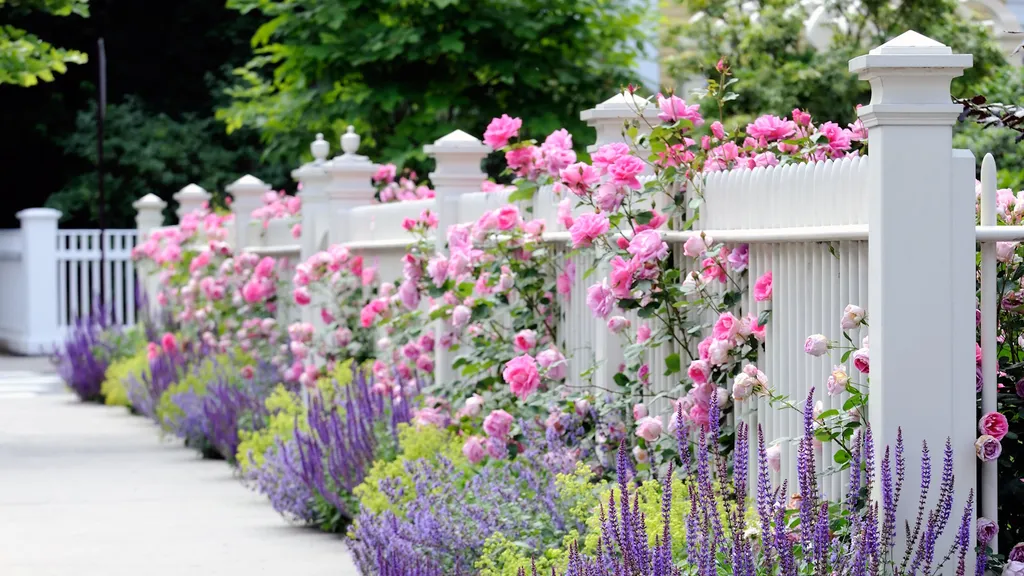
Native wildflowers provide essential resources for local pollinators. (Credit: Polina ⠀ via Pexels)
When to Actually Do This
Spring is the ideal time to observe your garden’s "clues." As the soil warms and the sun shifts, watch where the water pools after a rain and where the shadows linger longest. These observations are your blueprint for the coming season, regardless of your hardiness zone. You can also use a strategic planting guide to ensure your summer garden remains low-maintenance.
The Natural Approach
Sustainability isn't just about what you plant; it's about how you manage the space. Focus on native plant selection to reduce the need for chemical interventions. If you are transitioning, prioritize removing invasive species first, then slowly layering in native perennials that provide nectar and shelter. Learn more about water-efficient landscaping from the EPA.
2. The Graceful Pivot: Evolving Your Existing Space
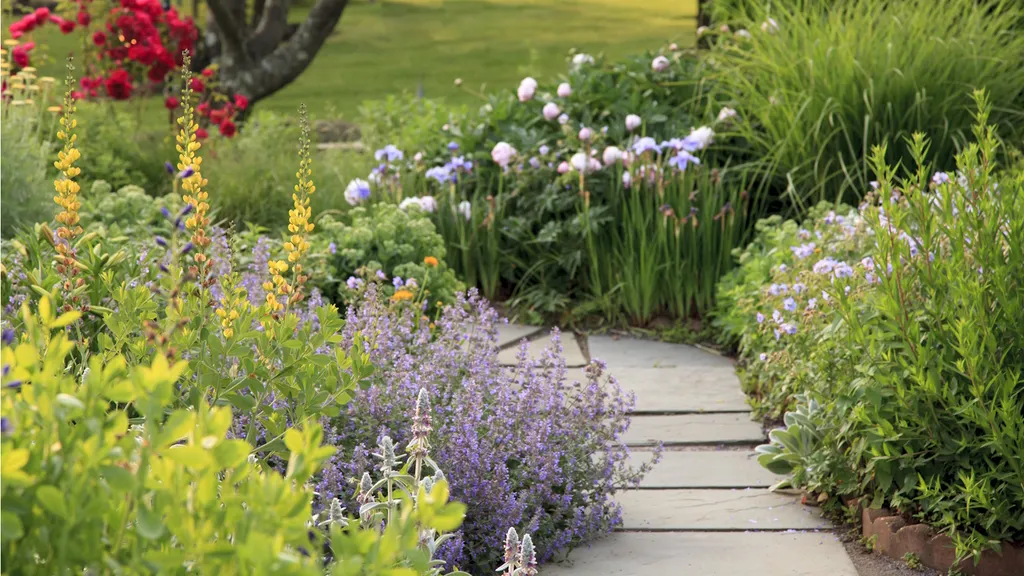
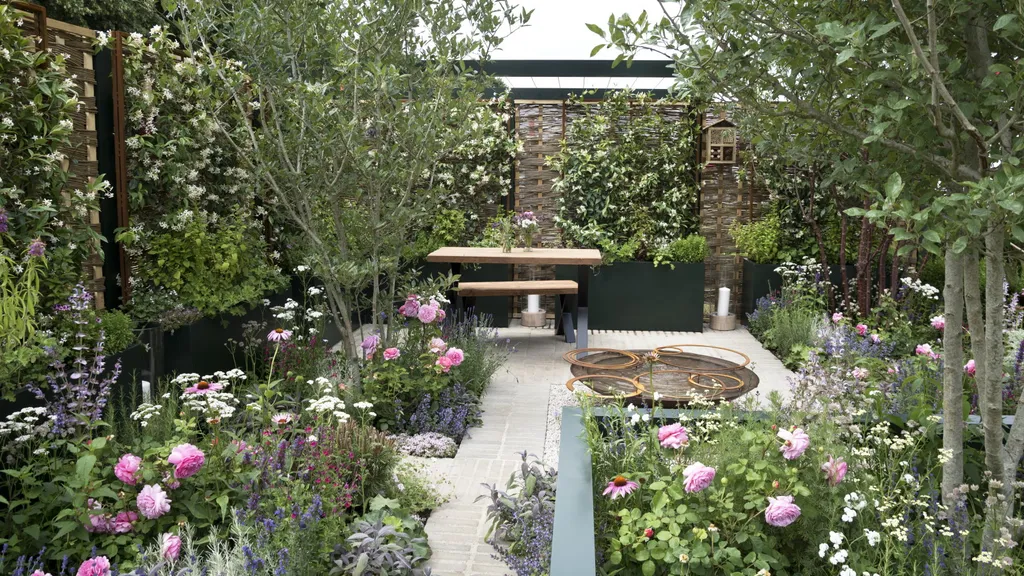
Leslie Needham offers a reassuring perspective for those of us with established, formal gardens: you do not need to rip everything out to make a difference. Her strategy is the "graceful pivot." By establishing a clear hierarchy, using focal points, thoughtfully placed paths, and intentional seating areas, you can bring legibility to a wilder, more ecological landscape. The goal is to maintain the joy of gardening while evolving your space to support biodiversity. If you want to soften your garden path, there are pro tricks to make it look intentional.
Thoughtfully placed paths bring legibility to wilder, ecological landscapes. (Credit: Jan van der Wolf via Pexels)
3. Conservation Gardening: Lessons from the Web of Life
Preston Montague’s work reminds us that our gardens are part of a larger web. After noticing his own garden was a sanctuary for fireflies in an otherwise barren urban landscape, he began distilling ecological planning principles into "garden-tactical" decisions. Concepts like using darkness as a resource or creating a decision-making hierarchy for conservation allow us to build landscapes with genuine ecological depth. For more on the importance of biodiversity, visit the National Park Service resources on native habitats.
The Lazy Gardener's Shortcut
If you only do one thing, stop cleaning up your garden beds in the fall. Leaving leaf litter and hollow plant stems provides critical overwintering habitat for the very insects you want to attract. It is the ultimate low-effort, high-reward move.
Why You Can Trust This
I have spent years digging into the intersection of horticulture and ecology. My research for this piece involved analyzing the methodologies of three distinct experts, Jaffe Wilder, Needham, and Montague, to synthesize how their varied approaches to native plant ecology and landscape architecture can be applied to your own backyard. I have vetted these strategies against standard ecological design principles to ensure they are both practical and grounded in environmental stewardship.
The Unpopular Opinion
Most people believe a "designed" garden must look manicured to be successful. I disagree. A garden that looks "messy" to the human eye is often the most successful habitat for wildlife. We need to redefine our aesthetic standards to value ecological function over traditional, sterile perfection.
Starting from scratch? Use Dan Jaffe Wilder’s "design-less" approach to read your site’s natural clues first.
Have an existing garden? Use Leslie Needham’s "graceful pivot" to add paths and focal points while slowly introducing natives.
Want to support wildlife? Use Preston Montague’s conservation hierarchy to prioritize habitat-focused design.
Tools I Actually Use
Soil Moisture Meter: Essential for understanding your site’s micro-climates before planting.
Native Plant Database: I rely on regional native plant society lists to ensure my selections are truly beneficial to local pollinators.
Journaling Notebook: I keep a simple log of where the sun hits at different times of the year, it’s the most valuable tool in my shed.
What Do You Think?
Transitioning a garden is a deeply personal process, and I’m curious about your experience. Are you leaning toward a total "design-less" overhaul, or are you planning a "graceful pivot" for your existing beds? I will be in the comments for the next 24 hours to hear your thoughts and answer your questions.
Design-less gardening is a method that prioritizes reading the land's natural conditions, such as moisture, soil, and sunlight, to dictate plant choices, resulting in a self-sustaining system that requires fewer inputs.
Use the 'graceful pivot' strategy: establish a clear hierarchy with focal points and paths to bring legibility to the space, then slowly replace non-native plants with native perennials.
The simplest, high-reward action is to stop cleaning up your garden beds in the fall. Leaving leaf litter and hollow plant stems provides essential overwintering habitat for insects.
Active Engagement
Was this information helpful?
Join Discussions
0 Thoughts
Editorial Team • Question of the Day
"What is the one "wild" corner of your garden that you are most proud of, and why?"