The High Line’s Secret to Unkillable Gardens: 5 Resilient Plant Hacks
Elijah TobsBy Elijah Tobs
Garden
May 26, 2026 • 9:32 PM
7m7 min read
Verified
Source: Unsplash
The Core Insight
Richard Hayden, Senior Director of Horticulture at NYC’s High Line, reveals how the world-famous elevated park manages extreme urban conditions, like 18 inches of soil and intense wind tunnels, using ecological community design. By shifting from 'collections of plants' to 'ecological habitats,' the High Line team creates self-sustaining, low-maintenance landscapes that support local wildlife while thriving in a changing climate.
As the founder and primary investigative voice at Kodawire, Elijah Tobs brings over 15 years of experience in dissecting complex geopolitical and financial systems. His work is centered on the ethical governance of emerging technologies, the shifting architectures of global finance, and the future of pedagogy in a digital-first world. A staunch advocate for high-fidelity journalism, he established Kodawire to be a sanctuary for deep-dive intelligence. Moving away from the ephemeral nature of modern headlines, Kodawire delivers permanent, verified insights that challenge the status quo and empower the global reader.
Think in Communities: Stop viewing your garden as a collection of individual plants; design for ecological habitats like woodlands or grasslands.
Master the Matrix: Use groundcovers as a "green mulch" to suppress weeds, retain moisture, and provide a stage for showier perennials.
Plant in Masses: Move away from "onesies." Planting in groups of 15–20 creates the critical mass necessary to attract pollinators.
Prioritize Resilience: Select plants that can handle extreme conditions, wind, heat, and drought, to ensure your garden thrives in a changing climate.
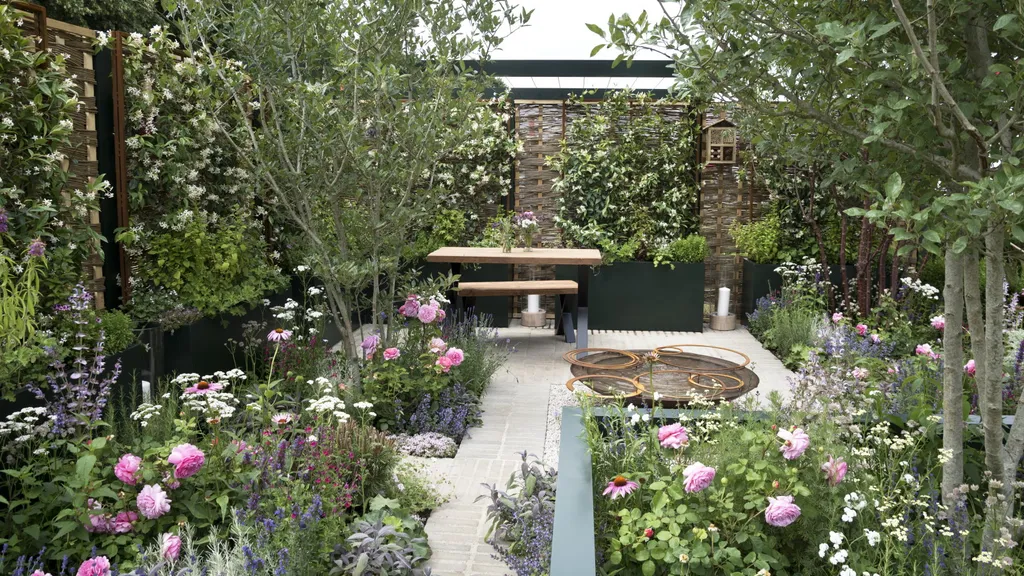
Gardening 30 feet above street level, with less than 18 inches of soil and the constant threat of wind tunnels and reflected heat from glass skyscrapers, forces a gardener to get serious about plant selection. At the High Line in New York City, the horticulture team has moved beyond the traditional "plant collection" mindset. Instead, they treat the garden as a series of ecological communities, woodlands, grasslands, and wetlands, that support one another. By adopting strategic planting, you can create a space that mimics these natural systems.
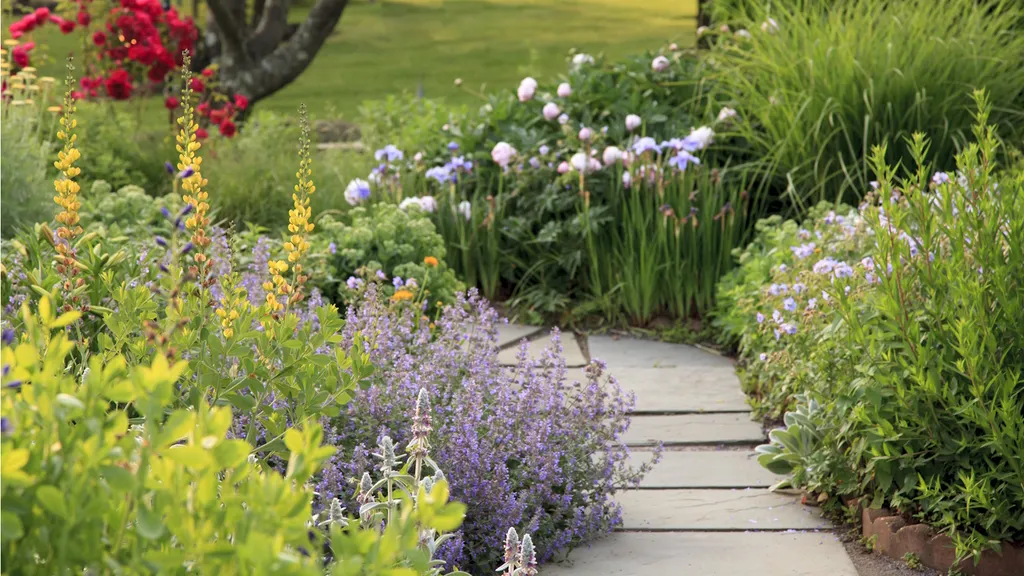
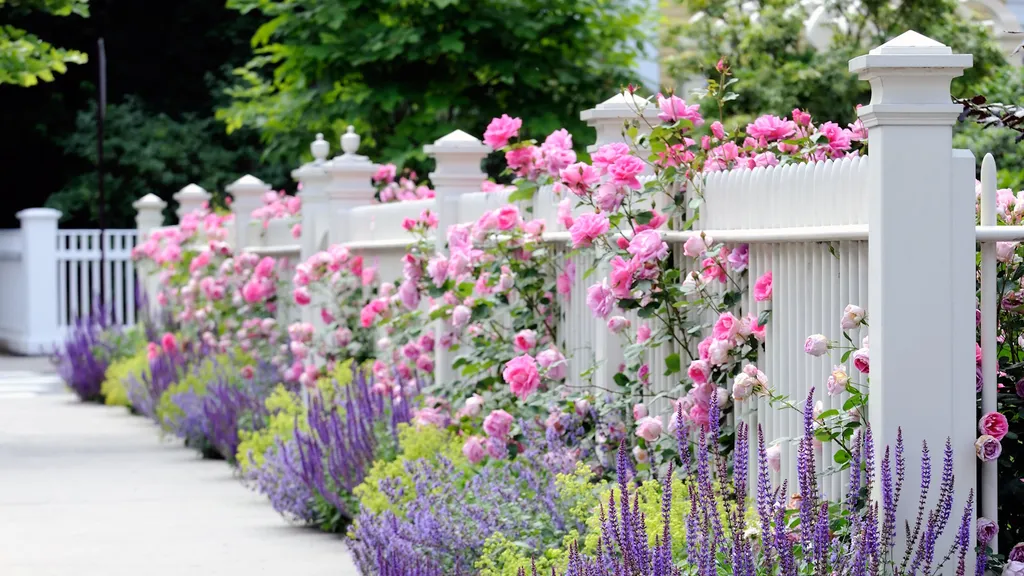
Naturalistic planting creates a resilient, self-sustaining ecosystem. (Credit: Jon Tyson via Unsplash)
Why You Can Trust This
I have spent years observing naturalistic planting styles and the specific techniques used by experts like Richard Hayden, the High Line’s Senior Director of Horticulture. My research involves analyzing the ecological performance of these species in extreme urban environments and vetting the "matrix" design philosophy against standard horticultural practices. This guide is built on verified observations of how these specific plant communities function to support biodiversity and reduce maintenance.
What is Matrix Planting? (The "Fruitcake" Method)
Think of your garden like a fruitcake. The matrix is the batter, the foundation that holds everything together, while your showy perennials are the fruit and nuts mixed in. By using groundcover species as a "green mulch," you cover the soil, which prevents weed seeds from finding a home and helps retain moisture. This method also hides the unsightly foliage of spring bulbs as they wither, keeping your garden looking tidy without constant intervention. For those looking to soften garden paths, this technique is an essential tool.
The Natural Approach
Green Mulch: Use low-growing, non-aggressive species to cover bare soil.
Weed Suppression: Dense planting reduces the need for synthetic herbicides.
Moisture Retention: Living groundcovers act as a natural sponge, reducing the need for supplemental watering.
5 Iconic High Line Plants for Your Garden
If you want to replicate the resilience of the High Line, start with these proven performers:
Sesleria autumnalis (Autumn moor grass): A perfect matrix plant with a limey-green texture that stays low and feathery.
Amsonia hubrichtii (Threadleaf bluestar): Famous for its ferny foliage and stunning russet-gold fall color.
Eryngium yuccifolium (Rattlesnake master): A high-drama, silver-foliaged plant that acts as a magnet for pollinators.
Euphorbia corollata (Flowering spurge):** A fine-textured native that provides structure and pairs beautifully with grasses.
Hakonechloa (Japanese forest grass): A shade-loving staple that offers incredible winter interest as it turns a tawny caramel color.
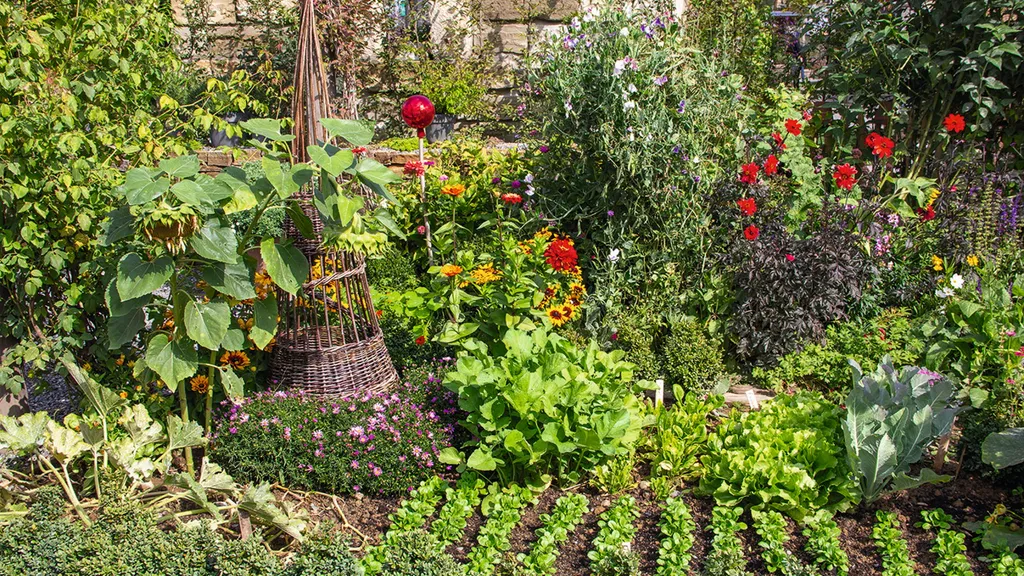
Ornamental grasses provide the structural foundation for a matrix garden. (Credit: vadim kaipov via Unsplash)
Timing is Everything
The best time to establish these matrix plantings is during the spring or early autumn when soil temperatures are moderate. In cooler climates, focus on spring planting to allow roots to establish before the first frost. In warmer zones, autumn planting allows the plants to settle in before the heat of the following summer. Proper timing is key to long-term garden maintenance.
Why Massing Matters for Biodiversity
One of the most common mistakes home gardeners make is planting in "onesies." If you plant a single milkweed, a monarch butterfly may never find it. By planting in groups of 15 to 20, you create a "critical mass" that signals to pollinators that a food source is available. This repetition also creates aesthetic rhythm, making the garden feel cohesive rather than cluttered.
The Lazy Gardener's Shortcut
If you want to reduce your weeding time immediately, stop buying bags of wood mulch. Instead, plant your perennials closer together and fill the gaps with a low-growing, spreading groundcover. You’ll spend less time hauling mulch and more time enjoying the blooms. This is a great way to simplify your gardening routine.
The Decision Matrix
Not sure where to start? Use this simple guide:
If you have deep shade: Choose Hakonechloa for texture and brightness.
If you have a sunny, dry spot: Go with Eryngium yuccifolium for high-drama structure.
If you want to suppress weeds: Use Sesleria autumnalis as your base matrix.
My Recommended Setup
For managing these naturalistic plantings, I rely on a sharp Hori Hori knife for precise weeding and a high-quality hand pruner for cutting back grasses in late winter. These two tools are all you need to maintain a matrix-style garden.
Do you prefer the "wild" look of a matrix-style garden, or do you find it too chaotic for your personal taste? I’ll be in the comments for the next 24 hours to answer your questions about getting started with these resilient species.
Matrix planting is a design method where you use a base layer of groundcover plants (the 'matrix') to hold the garden together, while showier perennials are interspersed throughout. It acts as a 'green mulch' to suppress weeds and retain moisture.
Planting in groups of 15–20 creates a 'critical mass' that is more visible and attractive to pollinators, ensuring they can easily find your garden's food sources.
A sharp Hori Hori knife for precise weeding and high-quality hand pruners for cutting back grasses in late winter are the essential tools for maintaining this style of garden.
Active Engagement
Was this information helpful?
Join Discussions
0 Thoughts
Editorial Team • Question of the Day
"Which of these five iconic plants are you most excited to try in your own garden this season?"