Stop Guessing: How to Master Color Combinations in Your Garden
Tobiloba OdejinmiBy Tobiloba Odejinmi
Education
May 26, 2026 • 9:28 PM
7m7 min read
Verified
Source: Unsplash
The Core Insight
Former 'Better Homes & Gardens' editor-in-chief Stephen Orr shares his expert approach to garden design, emphasizing that there are no 'bad' colors, only colors used without a clear point of view. By treating the garden as a canvas and using techniques like 'still-life' plant snippets, gardeners can move beyond trial-and-error to create intentional, sophisticated, and emotionally resonant landscapes.
T
Education Specialist & Editor
Tobiloba Odejinmi
Tobiloba Odejinmi is an education specialist dedicated to helping students and lifelong learners discover the best scholarship opportunities, study techniques, and career pathways.
The Kodawire Editorial Team consists of experienced journalists and subject matter experts dedicated to delivering accurate, well-researched, and engaging content.
The Gardener’s Mindset: Why Your Garden is Your Best Creative Outlet
What You Need to Know
Stop buying by the tag: Use "still-life" photography of your current blooms to build a cohesive "goal palette" for future shopping.
Embrace the gloaming: Plant blue and white flowers to capture the unique, ethereal glow of twilight.
Ground your borders: Use dark, moody plants like 'Queen of the Night' tulips as neutrals to anchor complex color mixes.
Gardening as rebellion: Treat your time in the soil as a meditative, non-digital act of resistance against constant screen saturation.
I’ve spent years with dirt under my fingernails, and if there is one thing I’ve learned, it’s that a garden is rarely just a collection of plants. It is a living, breathing act of faith. When we tuck a bulb into the earth, we are making a quiet promise to the future, a belief that we will be there to witness the bloom. In an era where our attention is constantly harvested by algorithms and digital noise, the simple, repetitive act of weeding or mulching is a profound form of rebellion. It forces us to be present, grounding our minds in the physical reality of the soil. For those looking to simplify their routine, exploring low-maintenance plant pairings can help you reclaim your time for creative design.
The act of planting is a meditative, grounding experience. (Credit: Jon Tyson via Unsplash)
Behind the Scenes
This guide synthesizes the philosophy of Stephen Orr, former editor-in-chief of 'Better Homes & Gardens', with practical horticultural application. My analysis draws on the foundational texts of Vita Sackville-West, Henry Mitchell, and Mirabel Osler. The techniques shared here, specifically the 'still-life' photography method and the use of 'gloaming' light, are curated to move beyond basic planting instructions into the realm of intentional design.
Mastering Color: 4 Rules for a Cohesive Palette
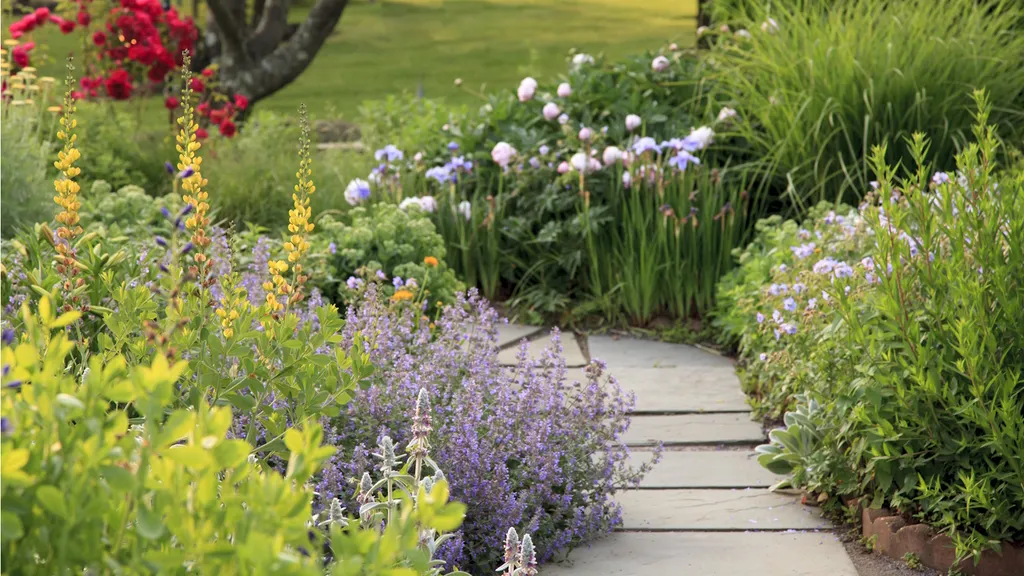
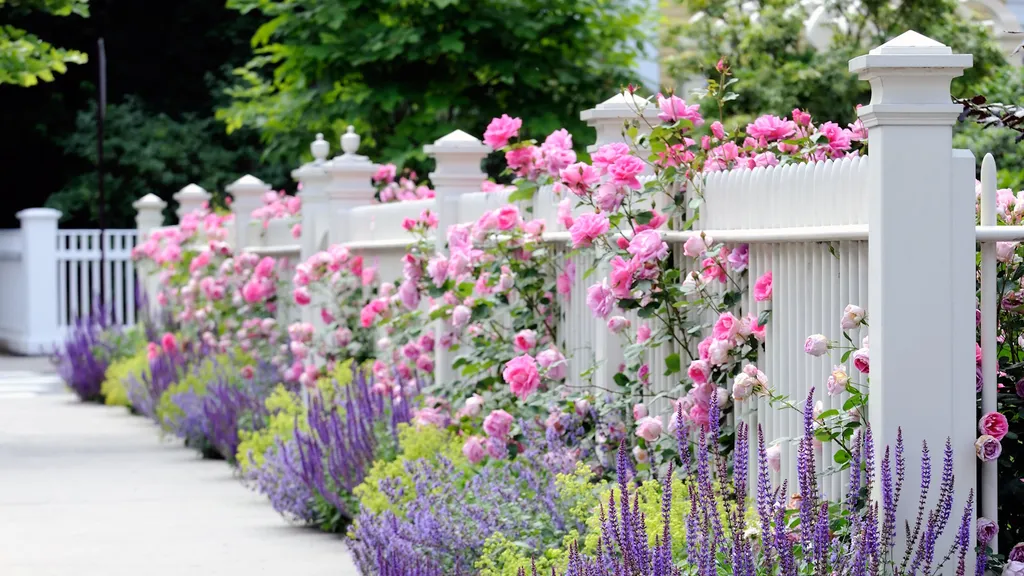
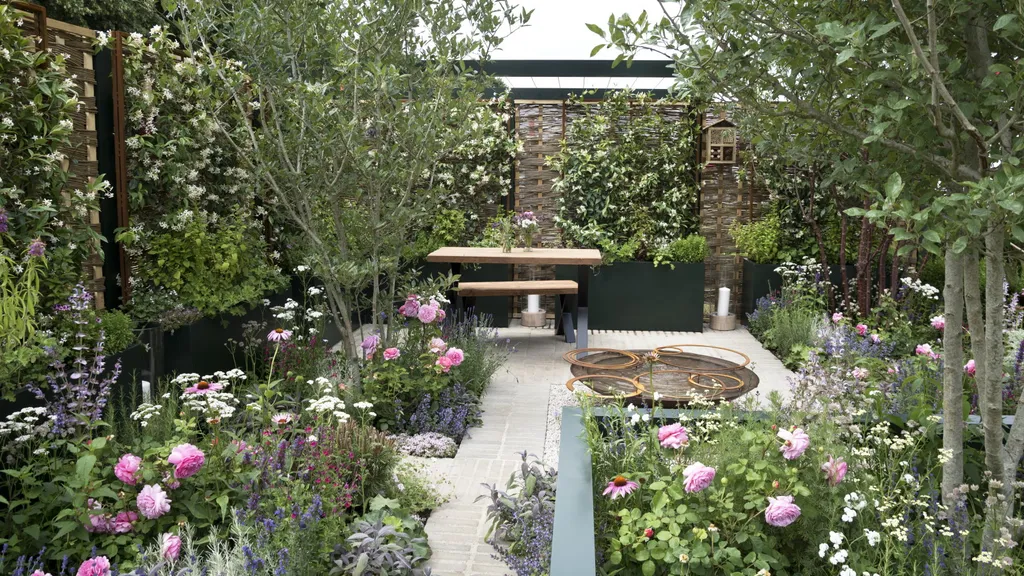
There are no "bad" colors in nature, only colors used without a clear point of view. Many of us fall into the trap of designing by negation, avoiding what we dislike rather than curating what we love. Instead, treat your garden beds like individual canvases. You don’t need a single, restrictive color scheme for your entire property; embrace the "big crayon box" approach, but apply it with intention. If you are working with limited space, consider compact cottage garden tips to maximize your color impact.
Working With the Seasons
Color planning is a year-round endeavor. Use the winter months to review your "still-life" photos from the previous season. In spring, focus on the structural backbone of your beds. Remember that color intensity shifts with the sun; what looks vibrant at noon may wash out or deepen as the season progresses toward the shorter, cooler days of autumn. For a successful transition, follow a strategic planting guide to ensure your garden remains vibrant throughout the year.
Color intensity changes significantly as the seasons shift. (Credit: Aaron Burden via Unsplash)
The Wallflower Aesthetic
Current trends are shifting toward plants that offer more than just a fleeting visual pop. Wallflowers, for instance, are gaining traction for their complex 'brown' tones and intense fragrance. By prioritizing scent and subtle, earthy hues, you create a sensory experience that digital media cannot replicate, grounding the garden in a tactile reality.
The 'Still-Life' Technique: A Pro Secret for Better Shopping
Stop relying on those tiny, misleading nursery tags. Instead, when your garden is in peak bloom, cut small snippets of plants that look harmonious together. Arrange them on a table and photograph them. These "lay-downs" become your goal palette. When you head to the nursery in the off-season, you aren't guessing, you have a visual reference of exactly what works in your specific light and soil.
The Contrarian's Corner
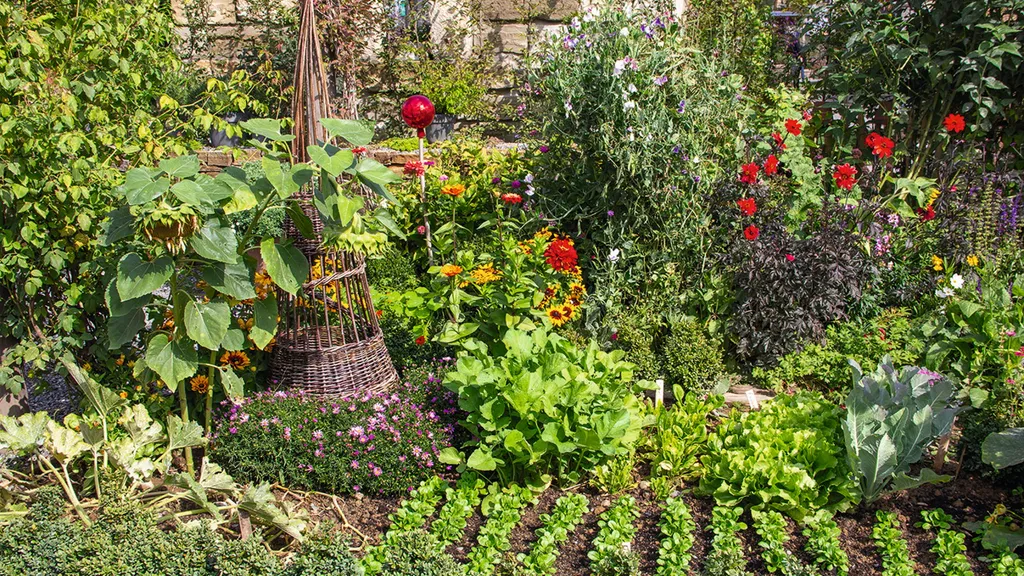
Forget the "tidy" suburban aesthetic. If you want a truly vibrant garden, you must embrace a "gentle plea for chaos." Rigid, perfectly manicured borders often lack the soul and movement that come from letting nature take a hand. Don't be afraid to let plants intermingle; the most sophisticated combinations often happen by accident, not by strict grid-based planning.
The Decision Matrix
If you are struggling with a border that feels "off," ask yourself:
Is it too busy? Add a "neutral" dark plant like a deep purple tulip or dark-foliaged shrub to ground the space.
Is it flat? Introduce plants with different heights and textures to create visual rhythm.
Is it boring at night? Add white or blue-flowered perennials to catch the light during the "gloaming."
My Personal Toolkit
The Sharp Shooter: A high-quality, narrow-blade spade for quick, surgical plant moves.
Digital Journal: A dedicated folder on your phone for your "still-life" snippets and seasonal color notes.
The "Gloaming" Collection: A mix of blue-flowered perennials and white-flowered shrubs to maximize evening light.
What Do You Think?
We’ve all had those moments where a plant combination turned out to be a total disaster, or a happy accident. What is one color you absolutely refuse to plant, or one that you’ve recently fallen in love with? I’ll be in the comments for the next 24 hours to hear about your own garden experiments.
It involves cutting small snippets of plants that look harmonious together when in peak bloom, arranging them on a table, and photographing them to create a visual 'goal palette' for future nursery shopping.
You can add white or blue-flowered perennials to your garden, which catch the light during the 'gloaming' (twilight) to create an ethereal glow.
Rigid, perfectly manicured borders often lack the soul and movement that come from letting nature intermingle, which can lead to more sophisticated and natural-looking plant combinations.
Active Engagement
Was this information helpful?
Join Discussions
0 Thoughts
Editorial Team • Question of the Day
"What is the one color you find most difficult to work with in your garden, and how have you tried to tame it?"