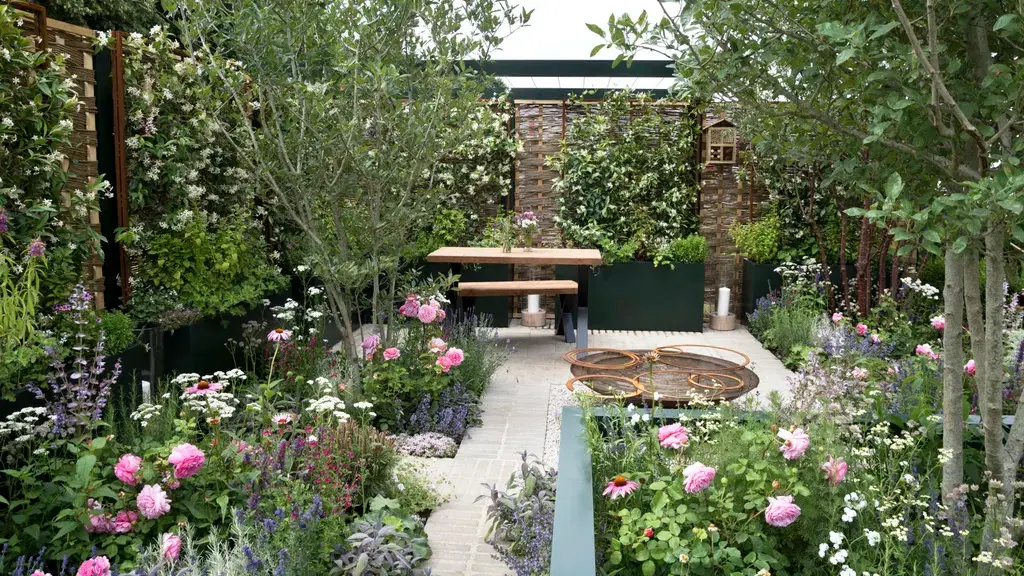
The May Planting Guide: 5 Categories for a Low-Maintenance Summer
Tobiloba OdejinmiBy Tobiloba Odejinmi
Education
May 25, 2026 • 8:08 PM
2m2 min read
Verified
The Core Insight
May is the critical window for setting up a high-impact, low-maintenance summer garden. By focusing on direct-sowing annuals, establishing heat-loving vegetables, and planting native perennials and ornamental grasses, gardeners can ensure a vibrant, self-sustaining landscape that thrives through the hottest months.
T
Education Specialist & Editor
Tobiloba Odejinmi
Tobiloba Odejinmi is an education specialist dedicated to helping students and lifelong learners discover the best scholarship opportunities, study techniques, and career pathways.
The Kodawire Editorial Team consists of experienced journalists and subject matter experts dedicated to delivering accurate, well-researched, and engaging content.
Warmth is Key: May provides the perfect intersection of warming soil and fading frost risk, making it the ideal window for direct sowing.
Prioritize Natives: Focus on native perennials like coneflower and bee balm to support local pollinators while ensuring long-term garden resilience.
Succession Sowing: Keep your kitchen garden productive by sowing fast-growing crops like radishes and lettuce every few weeks.
Mulch for Success: Apply 2–3 inches of organic matter to retain moisture and suppress weeds as temperatures climb.
May is the "make or break" period for your summer garden. After years of working in public horticulture, I’ve learned that the secret to a low-maintenance, high-impact display isn't just about what you plant, but when you plant it. With the soil finally holding onto that essential spring warmth and the threat of frost retreating, the garden is primed for rapid root development. If you are looking to refine your approach, consider practicing ecological gardening to work with nature rather than against it.
Working With the Seasons
In most temperate regions, May is the sweet spot. However, timing is everything. If you are in a cooler northern zone, wait until the soil temperature consistently hits 60°F before tucking in your heat-loving tubers like dahlias. In warmer southern climates, you are already in the thick of the growing season, so focus on mulching heavily to protect those young roots from the impending summer heat. For those struggling with physical strain, right-sizing your garden can make these seasonal tasks much more manageable.
May is the ideal time for direct sowing as soil temperatures rise. (Credit: Aaron Burden via Unsplash)
1. Long-Blooming Annuals for Instant Color
If you want a garden that feels "finished" by mid-summer, direct sowing is your best friend. Varieties like zinnias, cosmos, sunflowers, marigolds, cornflowers, snapdragons, poppies, and sweet peas thrive when sown directly into their final positions. These aren't just pretty faces; they are chosen for their rugged, low-maintenance profiles. If you started tender annuals indoors, now is the time to harden them off and get them into the ground. If you had trouble with your starts, review these pro tips for perfect starts to ensure better results next year.
The Natural Approach
Sustainability starts in the soil. Before you plant, incorporate well-rotted manure or homemade compost. This isn't just about "feeding" the plant; it’s about building a sponge-like soil structure that holds moisture during dry spells. A 2–3 inch layer of organic mulch, like shredded bark or leaf mold, is the most effective way to keep weeds at bay without reaching for synthetic chemicals. Learn more about the importance of soil health from the USDA Natural Resources Conservation Service.
2. High-Yield Vegetables for the Kitchen Garden
A productive kitchen garden requires a rhythm. I always suggest a "succession" approach: sow fast-growers like radishes, spinach, lettuce, carrots, beets, green onions, rutabaga, kale, and chard every few weeks. For the heat-lovers, tomatoes, cucumbers, corn, zucchini, pumpkins, squash, beans, and peas, May is the time to move them into their final spots. For maximum yield, treat kale and chard as "cut-and-come-again" crops, harvesting the outer leaves to encourage continuous growth. If you are growing tomatoes, you might be interested in the strategic neglect method to improve your harvest.
The Lazy Gardener's Shortcut
If you’re short on time, focus your energy on "cut-and-come-again" greens. Instead of planting a massive row of lettuce that all matures at once, plant a small patch and harvest only what you need for dinner. It keeps the plant producing for weeks, saving you the effort of constant replanting.
Cut-and-come-again greens provide a continuous harvest throughout the season. (Credit: Priscilla Du Preez 🇨🇦 via Unsplash)
3. Native Perennials: The Pollinator Powerhouse
Native plants are evolution-matched to your local wildlife. By planting black-eyed Susans, milkweed, coneflowers, asters, and bee balm, you are essentially building a buffet for local bees, butterflies, and hummingbirds. These plants are generally more drought-tolerant once established, making them a smart choice for the eco-conscious gardener. For more guidance, check out the National Wildlife Federation on creating native habitats.
4. Ornamental Grasses for Texture and Drama
Grasses like switchgrass, fountain grass, and maiden grass provide the movement that makes a garden feel alive. If you are planting these in containers, use heavy, stable pots. There is nothing more frustrating than a beautiful grass toppling over in a summer breeze because the pot was too light.
Why You Can Trust This
I’ve spent years managing public garden beds, where the margin for error is slim. My advice is based on the practical reality of soil science and plant physiology. I don't recommend "miracle" products; I recommend working with the natural cycles of the earth. Every technique mentioned here, from succession sowing to mulching, is a standard practice used by professional horticulturists to ensure a healthy, thriving landscape. You can find further research on plant physiology at eXtension Foundation.
5. Summer-Flowering Bulbs and Tubers
Dahlias, cannas, gladioli, agapanthus, and crocosmia remain the global favorites for a reason. Their diversity in shape and color is unmatched. Whether you are growing them in borders or pots, ensure the soil is warm before planting. If you are in a region where the soil is still chilly, wait a few extra days; a cold, wet soil can cause tubers to rot before they even break the surface.
The Decision Matrix
Not sure where to start? Use this simple guide:
Want instant color? Direct sow Zinnias and Cosmos.
Want to feed the family? Plant beans, zucchini, and succession-sow radishes.
Want to help the bees? Choose native perennials like Milkweed or Coneflower.
Want architectural drama? Add ornamental grasses to your sunny borders.
My Recommended Setup
I keep my toolkit simple: a high-quality hand trowel for transplanting, a broad-fork for aerating soil without disturbing the microbial life, and a reliable, heavy-duty watering can. For seeds, I prefer untreated, open-pollinated varieties that allow me to save seeds for the following season.
May is a busy month, and every gardener has their own "must-plant" list. Are you focusing on filling your borders with flowers this year, or is your priority a high-yield vegetable patch? I’ll be in the comments for the next 24 hours to answer your specific planting questions.
You should wait until the soil temperature consistently reaches 60°F before planting heat-loving tubers to prevent them from rotting in cold, wet soil.
This is a harvesting technique for greens like kale, chard, and lettuce where you harvest only the outer leaves, allowing the center of the plant to continue growing and producing for weeks.
Native perennials are evolution-matched to your local wildlife, providing essential food for pollinators like bees and butterflies while being more drought-tolerant once established.
Active Engagement
Was this information helpful?
Join Discussions
0 Thoughts
Editorial Team • Question of the Day
"What is the one plant you absolutely refuse to skip in your May garden?"