The Secret to a Lush Cottage Garden in Your Smallest Outdoor Space
Tobiloba OdejinmiBy Tobiloba Odejinmi
Education
May 25, 2026 • 8:55 PM
2m2 min read
Verified
The Core Insight
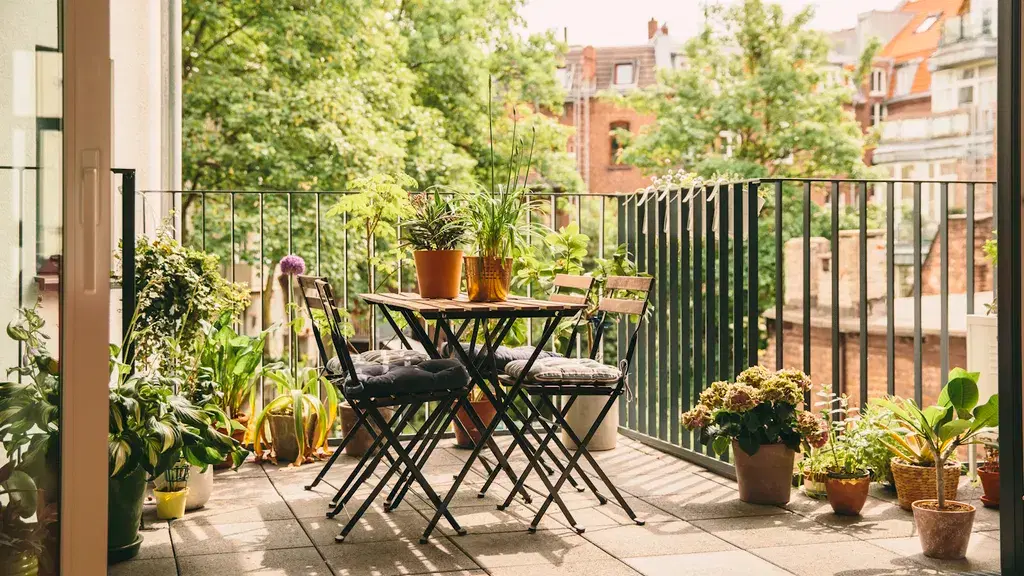
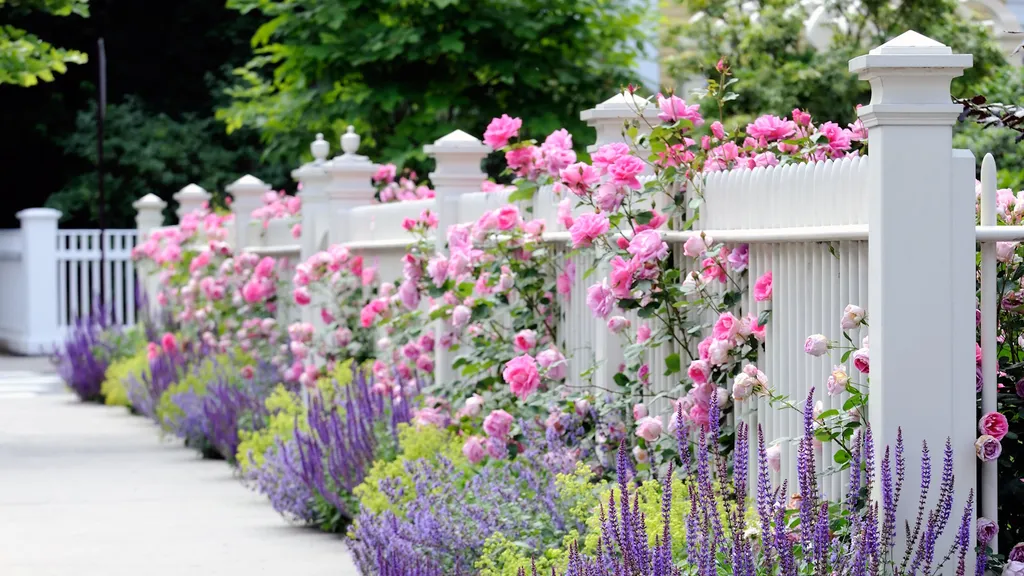
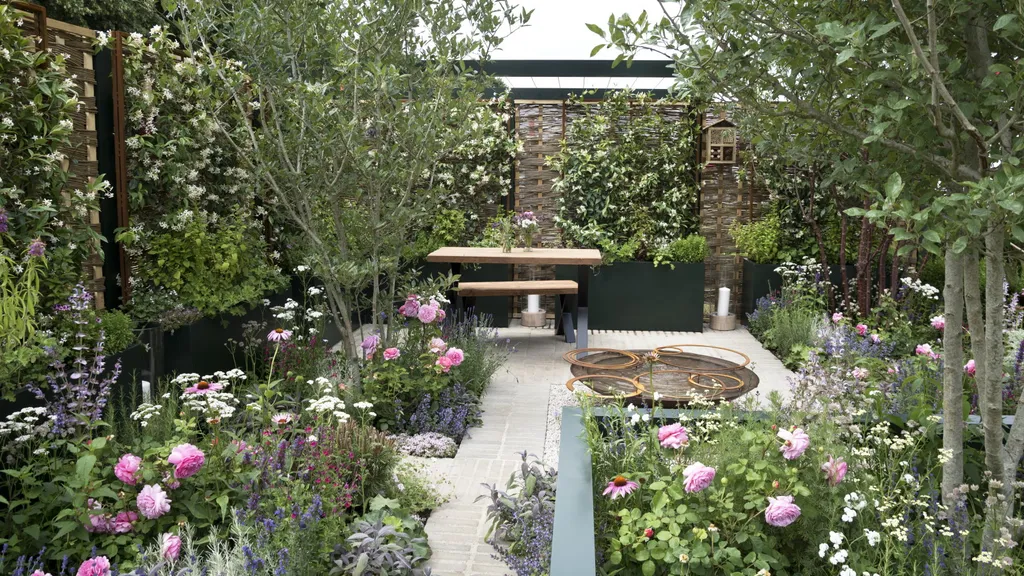
Transforming a tiny balcony or terrace into a lush, romantic cottage garden is entirely achievable through strategic layering, intentional plant selection, and a 'more is more' approach. By moving away from minimalist, single-plant pots and embracing a mix of spillers, fillers, and thrillers, you can create an abundant, wild aesthetic that feels like a slice of the English countryside in the heart of the city.
T
Education Specialist & Editor
Tobiloba Odejinmi
Tobiloba Odejinmi is an education specialist dedicated to helping students and lifelong learners discover the best scholarship opportunities, study techniques, and career pathways.
The Kodawire Editorial Team consists of experienced journalists and subject matter experts dedicated to delivering accurate, well-researched, and engaging content.
The Art of the Compact Cottage Garden: Creating Abundance in Small Spaces
What You Need to Know
Think Big: Abandon the "one plant per pot" rule; layer three or four plants per container for a lush, professional look.
Embrace the "Thriller, Filler, Spiller" Method: Use a structural plant for height, mid-height fillers for volume, and trailing varieties to soften the edges.
Age Your Vessels: Use a simple yogurt coating on new terracotta to achieve a weathered, vintage aesthetic in weeks.
Prioritize Maintenance: Container gardens are thirsty; commit to daily watering and weekly liquid feeding to keep your display thriving.
A cottage garden in containers is an exercise in romantic abundance. When I first started gardening on a cramped urban balcony, I made the mistake of treating each pot as a solitary, tidy specimen. The result was sterile. It wasn't until I shifted my mindset, treating each container as a miniature, overflowing border, that the space truly came alive. For those looking to maximize their yield in limited areas, consider the secret power of tiny gardens to transform your living space.
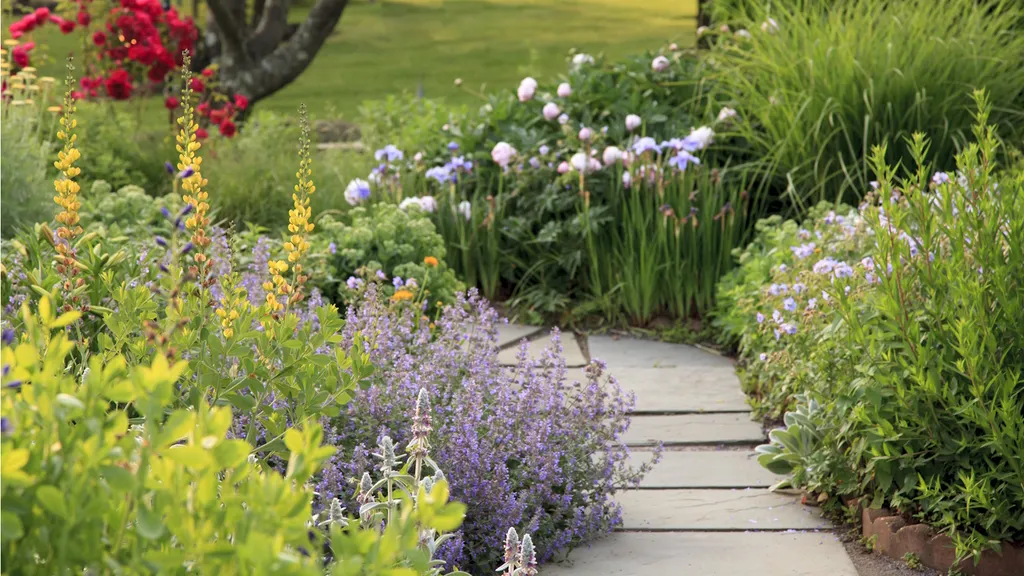
Creating a lush, overflowing cottage garden in small containers. (Credit: Jon Tyson via Unsplash)
Why You Can Trust This
I have spent years working with soil, seeds, and seasonal shifts, learning that the most beautiful gardens are often the ones that feel slightly "unmanaged." My advice here is based on years of trial and error, from failed balcony experiments to successful, lush displays. I have vetted these techniques by focusing on plant biology, understanding how root competition and moisture retention dictate success in confined spaces. For more on managing your space effectively, check out the May planting guide for low-maintenance success.
Curating Your Plant Palette
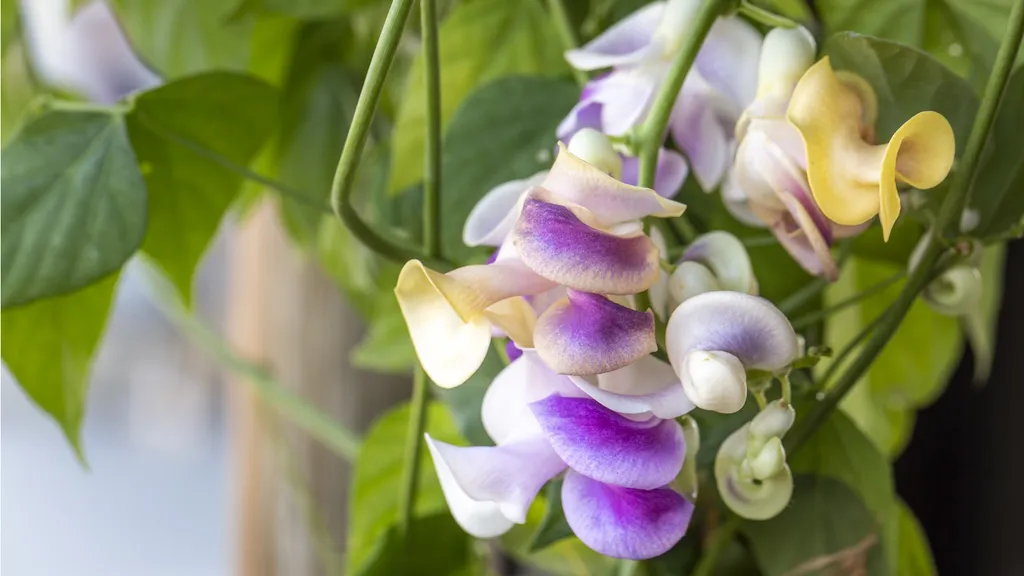
To capture that quintessential English countryside charm, you need plants that move and mingle. I rely on a backbone of reliable bloomers like Foxglove, Cosmos, Sweet peas, and Geraniums. These provide the height and structure. To soften the look, I tuck in airy companions like Bacopa, Ivy, or Creeping Jenny. The goal is to let them lean into one another until the pot disappears beneath a froth of foliage and flowers. I also integrate edibles like Thyme, Strawberries, and Lettuce, which offer both culinary utility and textural beauty. If you want to harvest early, you can even mix in fast-growing vegetables to fill the gaps.
Working With the Seasons
Timing is everything. In temperate zones, the best time to assemble these containers is mid-spring, once the threat of frost has passed. If you are in a warmer climate, you can start earlier, but be prepared to provide extra shade during the peak heat of summer. Regardless of your zone, the "grown-in" look is best achieved by planting densely from the start, rather than waiting for growth to fill the gaps.
Containers are part of the story. I avoid anything too slick or modern. Instead, I hunt for weathered terracotta, galvanized metal tubs, or vintage enamel buckets. If you buy new terracotta, here is a secret: coat the exterior in plain yogurt and leave it in a damp, shady spot. Within two weeks, you will have a perfectly aged, mossy patina that makes your garden look like it has been established for years. For more tips on maintaining your garden without physical strain, see our guide on right-sizing your garden.
Achieving a vintage look with aged terracotta. (Credit: Jon Tyson via Unsplash)
The Natural Approach
Sustainability is at the heart of a true cottage garden. To keep your containers organic:
Use high-quality, peat-free compost to support soil health.
Opt for organic liquid seaweed or fish-based fertilizers for your weekly feeding.
Most gardening guides will tell you to deadhead your flowers religiously to keep them tidy. I disagree. In a cottage-style container, I leave a few spent blooms. This encourages natural reseeding and provides a sense of continuity and "controlled chaos" that is essential to the aesthetic. If it gets too wild, a quick snip with professional-grade shears is all you need to bring it back to the right side of romantic.
The Lazy Gardener's Shortcut
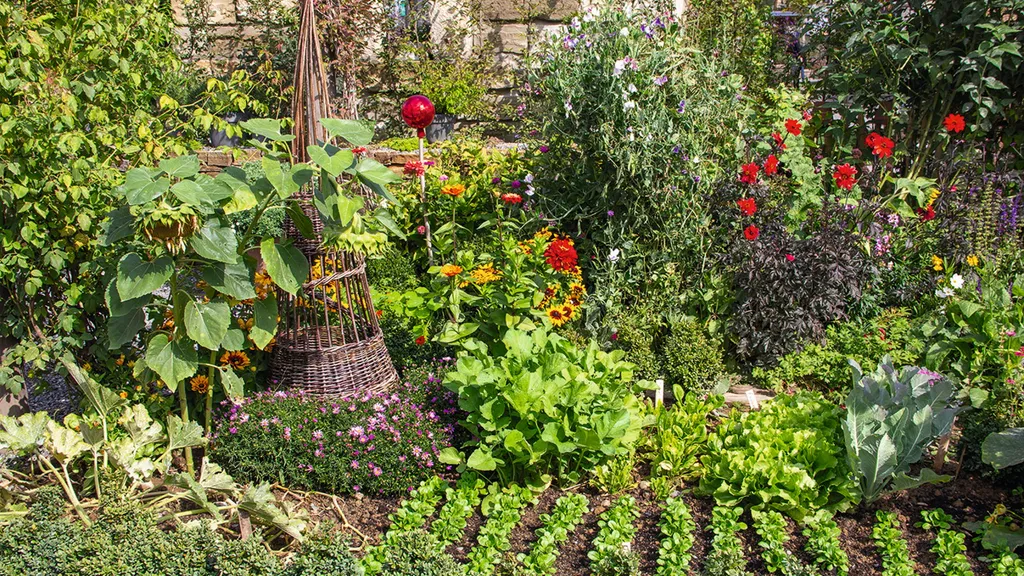
If you want height without the effort of training complex climbers, use a simple, pre-made metal obelisk. Place it in the center of your largest pot and plant sweet peas or compact roses at the base. It provides an instant vertical focal point that makes a small balcony feel like a multi-layered garden.
My Recommended Setup
To keep my containers thriving, I rely on:
Okatsune Snips: For precise, effortless shaping.
Steel Watering Can: A classic, durable tool that makes daily hydration a ritual rather than a chore.
Organic Liquid Feed: Essential for maintaining the vigor of plants in confined soil.
Do you prefer the structured look of a manicured garden, or do you lean toward the "controlled chaos" of the cottage aesthetic? I will be in the comments for the next 24 hours to answer your questions about plant combinations and container care.
Coat the exterior of the new terracotta pot with plain yogurt and place it in a damp, shady spot. Within two weeks, it will develop a mossy, vintage patina.
It is a container planting technique using a structural plant for height (thriller), mid-height plants for volume (filler), and trailing varieties to soften the edges (spiller).
While many guides suggest religious deadheading, leaving a few spent blooms can encourage natural reseeding and create the 'controlled chaos' essential to the cottage aesthetic.
Active Engagement
Was this information helpful?
Join Discussions
0 Thoughts
Editorial Team • Question of the Day
"What is the one plant you find impossible to keep alive in a container?"