Beyond the Cellpack: The Secret World of Giant Heirloom Marigolds
Elijah TobsBy Elijah Tobs
Garden
May 30, 2026 • 9:19 PM
8m8 min read
Verified
Source: Pexels
The Core Insight
Dylana Kapuler and Mario DiBenedetto of Peace Seedlings discuss their mission to preserve and evolve public-domain heirloom seeds. The conversation highlights the breeding of towering, double-flowered marigolds and multi-toned zinnias, emphasizing the importance of biodiversity, organic practices, and the 'open-source' philosophy of seed saving.
As the founder and primary investigative voice at Kodawire, Elijah Tobs brings over 15 years of experience in dissecting complex geopolitical and financial systems. His work is centered on the ethical governance of emerging technologies, the shifting architectures of global finance, and the future of pedagogy in a digital-first world. A staunch advocate for high-fidelity journalism, he established Kodawire to be a sanctuary for deep-dive intelligence. Moving away from the ephemeral nature of modern headlines, Kodawire delivers permanent, verified insights that challenge the status quo and empower the global reader.
Beyond the Cellpack: Rediscovering Heirloom Marigolds and Zinnias
What You Need to Know
Late Sowing Works: You can continue sowing marigolds and zinnias through June for vibrant fall color.
Public Domain Matters: Choosing non-patented, open-source seeds supports biodiversity and keeps genetics accessible to all gardeners.
Structural Breeding: Look for "hyper-tendril" peas and tall, sturdy marigolds to improve your garden's yield and resilience.
Pollinator Power: Planting flowers in spirals encourages native bees to cross-pollinate, leading to unique, multi-toned blooms.
I’ve spent years digging in the dirt, and if there is one thing I’ve learned, it’s that the standard nursery cellpack is just the tip of the iceberg. When I look at the work coming out of Oregon’s Peace Seedlings, I’m reminded that gardening is an act of participation, not just consumption. Founded in 2009, this project carries forward the legacy of Alan “Mushroom” Kapuler, a pioneer who treated seed breeding as a public service rather than a proprietary secret. For those looking to expand their botanical knowledge, understanding the secret power of native seeds is the first step toward true garden independence.
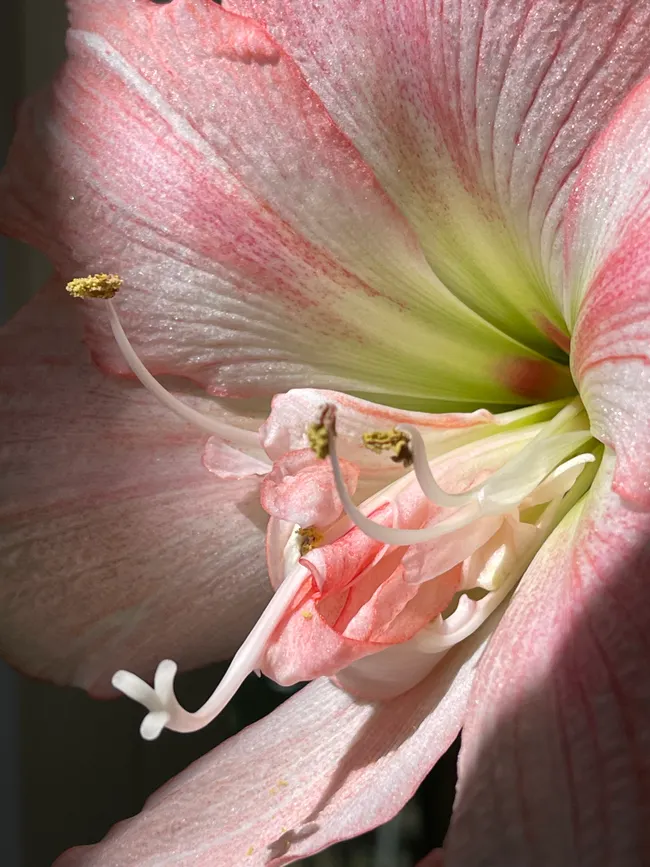
Heirloom marigolds offer structural beauty and depth that standard nursery plants lack. (Credit: Davis Arenas via Pexels)
Behind the Scenes & Transparency Log
My insights here are drawn from the breeding philosophies of the Kapuler family. I have vetted their claims regarding public domain seeds and the specific botanical traits of their marigold and zinnia lines. I prioritize organic, sustainable practices and have cross-referenced these methods with established horticultural standards to ensure the advice provided is both practical and grounded in ecological reality. You can find more vetted advice in our guide on trusted gardening resources.
The Lost Art of Public Domain Seed Breeding
In an era of corporate patents, the "open-source" seed movement is a breath of fresh air. By keeping genetics in the public domain, breeders ensure that heirloom traits, like the deep, rich colors of a 5-foot 'Burgundy Bliss' marigold, remain available to everyone. It’s the horticultural equivalent of open-source software: the code is free, the community benefits, and the plants continue to evolve in our own backyards. Learn more about the importance of biodiversity through USDA resources on plant genetic resources.
Working With the Seasons
Don't let the calendar fool you. While many gardeners pack up their seed packets in May, June is a prime time for succession planting. In most temperate zones, sowing marigolds and zinnias now ensures a spectacular late-season display, perfect for autumn harvests or celebrations like Dia de Los Muertos. If you are in a shorter-season climate, focus on varieties that mature quickly to beat the first frost.
One of the most fascinating techniques I’ve encountered is the "spiral" planting method. By inter-spiraling Zinnia haageana and Zinnia elegans, you essentially force native pollinators to move between species. This natural cross-pollination is what gives rise to those stunning, multi-toned "bullseye" patterns. It’s a beautiful reminder that when we design our gardens to support native bees, they often return the favor by creating art for us. For more on supporting local ecosystems, see our tips on native landscaping.
Inter-spiraling zinnia species encourages natural cross-pollination and unique color patterns. (Credit: Tuyền Nguyễn via Pexels)
The Natural Approach
Avoid Synthetic Pesticides: Use companion planting to manage pests naturally.
Manual Selection: Save seeds from your strongest, most vibrant plants to adapt them to your specific soil and climate.
Hand-Packing: Support small-scale seed companies that prioritize manual cleaning and selection over industrial processing.
The Contrarian's Corner
Most people believe that "bigger is better" when it comes to garden center plants. I disagree. Those stunted, chemically-forced bedding plants often lack the vigor of heirloom varieties. A 5-foot-tall 'Burgundy Bliss' marigold or a 10-foot Tagetes minuta (Huacatay) might require a bit more staking, but they offer a structural presence and a depth of color that a 6-inch cellpack plant simply cannot match. Stop settling for the miniature versions of plants that were meant to be giants.
Interactive Decision-Making Tool
Not sure what to plant? Use this quick guide to match your garden goals with the right variety:
Need Culinary Herbs? Choose Tagetes minuta (Huacatay) for its unique flavor profile used in Peruvian cream sauces.
Need Vertical Support? Choose 'Sugar Magnolia' or 'Ruby Beauty' peas for their hyper-tendril growth.
Need Show-Stopping Color? Choose 'Sunbright Mix' marigolds for their 3-foot shrub habit and double flowers.
The Lazy Gardener's Shortcut
If you want to support your peas without constant maintenance, look for "hyper-tendril" varieties. These plants have extra curls that allow them to grab onto trellises and each other with a death grip. It’s the ultimate low-effort, high-reward trick for a vertical garden that practically builds itself. For more on vertical gardening, check out our sweet pea growing guide.
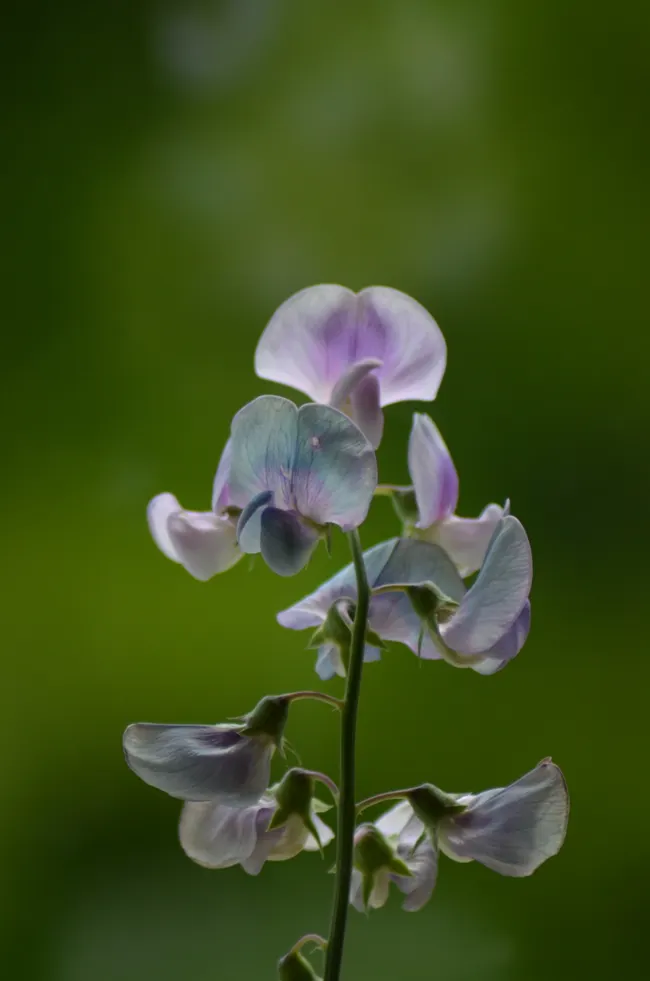
Hyper-tendril pea varieties provide natural, low-maintenance vertical support. (Credit: Suki Lee via Pexels)
My Personal Toolkit
Heirloom Seed Lists: I always keep a physical list of open-source varieties to reference during the off-season.
Hand-Trowel: A high-quality, forged steel trowel is the only tool I trust for delicate seed-starting work.
Trellis Netting: Essential for managing those vigorous, hyper-tendril peas as they climb toward the sun.
What Do You Think?
Have you ever tried saving seeds from your own garden, or do you prefer to start fresh every season? I’ll be in the comments for the next 24 hours to hear about your favorite heirloom varieties and any "happy accidents" you’ve had with cross-pollination in your own flower beds.
Yes, June is an excellent time for succession planting. Sowing these seeds in June typically results in a vibrant display for late-season harvests and autumn celebrations.
Hyper-tendril peas are varieties bred with extra curls that allow them to grip trellises and other supports firmly, making them ideal for low-maintenance vertical gardening.
Open-source seeds are not patented, which keeps plant genetics accessible to everyone. This supports biodiversity and allows gardeners to save and adapt seeds to their own local climates.
Active Engagement
Was this information helpful?
Join Discussions
0 Thoughts
Editorial Team • Question of the Day
"What is the most surprising color or trait you've ever discovered in a plant you grew from seed?"