The Secret to Thriving Scented Geraniums: A Pro’s Guide
Tobiloba OdejinmiBy Tobiloba Odejinmi
Education
May 30, 2026 • 8:55 PM
7m7 min read
Source: Pexels
The Core Insight
Discover the versatile world of scented geraniums (Pelargoniums) with expert insights from Patrick McDuffee of Well-Sweep Herb Farm. From their diverse range of fragrances, including rose, lemon, chocolate mint, and even black pepper, to their practical uses in herbal teas and natural tick repellents, these plants are a must-have for any windowsill. Learn the professional secrets to overwintering, pruning for topiary art, and selecting the right variety for your home environment.
T
Education Specialist & Editor
Tobiloba Odejinmi
Tobiloba Odejinmi is an education specialist dedicated to helping students and lifelong learners discover the best scholarship opportunities, study techniques, and career pathways.
The Kodawire Editorial Team consists of experienced journalists and subject matter experts dedicated to delivering accurate, well-researched, and engaging content.
Choose by Leaf Size: Small-leaf varieties crave intense, direct sun; larger-leaf types handle partial light better.
Watering Discipline: These are drought-tolerant plants. Let the soil dry out completely between heavy waterings.
Soil Matters: Use a fast-draining, bark-and-perlite mix. Avoid "moisture control" potting soils at all costs.
Winter Care: Keep them cool and bright indoors; avoid pruning during the dormant season to prevent weak, leggy growth.
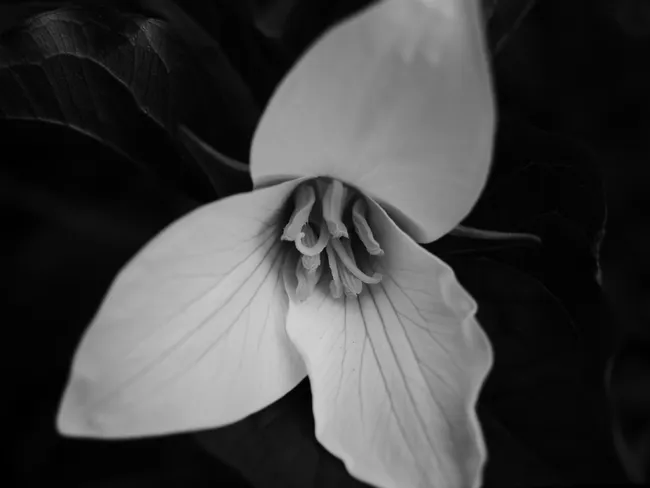
There is something grounding about a plant that rewards your touch with a burst of fragrance. Scented geraniums, technically Pelargoniums, are the ultimate sensory companions for the indoor gardener. Whether you are looking for the classic, calming scent of rose or the sharp, invigorating notes of black pepper or citrus, these tender perennials offer an on-demand aromatic experience that few other houseplants can match. If you are interested in expanding your botanical collection, consider exploring the hidden world of trilliums for more sensory variety.
Scented geraniums thrive in bright, sunny windowsills. (Credit: Lolo Mohamed via Pexels)
Working With the Seasons
Because these plants hail from Southern Africa, they are not frost-hardy. In the Northeast, I bring my pots indoors well before the first frost in autumn. During the winter, they thrive in a sunny, cool window. Come spring, once the danger of frost has passed, usually by Mother’s Day in my region, I move them back outside to soak up the full sun, which encourages the tight, robust growth that makes them so resilient. For those looking to transition their outdoor spaces, you might find the 15-step action plan for ecological gardening helpful for seasonal planning.
Beyond Rose: Exploring the Staggering Variety
Most people start with the familiar rose or lemon-scented varieties, but the world of Pelargoniums is vast. My own collection includes everything from the deep, earthy notes of black pepper to the sweet, nostalgic aroma of French vanilla and coconut. Beyond the scent, the foliage itself is a masterclass in diversity. You will find fuzzy, silver-toned leaves, deeply dissected patterns, and stunning variegated forms that add architectural interest to any windowsill.
A diverse collection of Pelargoniums offers unique textures and scents. (Credit: Aslı Gören via Pexels)
The Other Side of the Story
Many gardeners are taught to "pinch and prune" their plants constantly to keep them bushy. I disagree. If you prune your scented geraniums during the dark, low-light winter months, you are only forcing the plant to push out weak, leggy growth that struggles to survive. Save your pruning shears for the spring. Let the plant rest during the winter; it will be much stronger for it when the sun returns. This philosophy of letting nature take its course is similar to the art of natural garden ecological landscaping.
These plants are as functional as they are beautiful. I often rub the leaves on my shins before a hike to deter ticks, and many organic repellent formulas rely on Pelargonium graveolens as a key ingredient. For a culinary treat, I use fresh leaves to infuse hot water for a quick, aromatic tea or tuck them into cake batters for a subtle, floral depth. You can learn more about the benefits of native and functional plants through the power of native shrubs.
The Decision Matrix
Not sure which variety fits your home? Use this simple guide:
If you have a south-facing window: Go for the small-leaf crispum varieties. They love the heat and intensity.
If you have an east or west window: Choose larger-leaf varieties. They are more forgiving of lower light levels.
If you want a project: Try training a rose geranium into a topiary. It requires patience, but the result is a living sculpture.
Pruning should be done strategically to encourage healthy growth. (Credit: Sasha Kim via Pexels)
The Lazy Gardener's Shortcut
If you want to harvest leaves for tea without ruining the shape of your plant, don't just hack away at the base. Treat every cup of tea as a "pruning opportunity." Simply snip the top three leaves of a branch that is growing in the wrong direction. You get your tea, and the plant gets a perfectly timed trim.
Why You Can Trust This
I have spent years working with these plants, learning the hard way that "tough love", like over-pruning or using the wrong soil, can kill even the most resilient geranium. My advice is based on years of hands-on cultivation and the shared wisdom of experts who have maintained collections of these plants for decades. I don't rely on generic advice; I rely on what actually survives the windowsill.
Soil: A custom mix of bark and perlite. If it feels too dense, add more grit.
Tools: A sharp, clean knife for root-pruning, rather than tearing the root ball with your hands.
Containers: Terra cotta pots, which allow the soil to breathe and dry out properly between waterings.
What Do You Think?
Do you prefer the classic rose-scented varieties, or are you a fan of the more unusual profiles like chocolate mint or black pepper? I’ll be checking the comments for the next 24 hours to hear about your favorite windowsill companions.
Pruning should be saved for the spring. Pruning during the dark, low-light winter months can force the plant to produce weak, leggy growth.
Use a fast-draining, bark-and-perlite mix. Avoid using "moisture control" potting soils, as these plants prefer to dry out between waterings.
For south-facing windows, choose small-leaf 'crispum' varieties that love heat. For east or west windows, choose larger-leaf varieties that are more tolerant of lower light levels.
Active Engagement
Was this information helpful?
Join Discussions
0 Thoughts
Editorial Team • Question of the Day
"If you could only grow one scented geranium for the rest of your life, which fragrance would you choose and why?"