The Secret Language of Trilliums: Why You Should Smell Your Garden
Tobiloba OdejinmiBy Tobiloba Odejinmi
Education
May 28, 2026 • 5:38 PM
8m8 min read
Source: Pexels
The Core Insight
Discover the hidden world of trilliums, from their surprising range of fragrances, some sweet, some pungent, to their complex life cycles. Uli Lorimer, Director of Horticulture at the Native Plant Trust, shares expert insights on identifying these woodland treasures, the best time to divide them, and how to create 'mossy patches' to showcase miniature spring plants.
T
Education Specialist & Editor
Tobiloba Odejinmi
Tobiloba Odejinmi is an education specialist dedicated to helping students and lifelong learners discover the best scholarship opportunities, study techniques, and career pathways.
The Kodawire Editorial Team consists of experienced journalists and subject matter experts dedicated to delivering accurate, well-researched, and engaging content.
The Hidden World of Trilliums: More Than Just a Pretty Face
What You Need to Know
Fragrance is a diagnostic tool: Don't just look at your trilliums, smell them. Scents range from lemon and rose to horse manure and rotten meat, revealing the plant's specific pollination strategy.
Spring is for dividing: Contrary to popular belief, the best time to lift and divide trilliums is while they are actively growing in spring.
Age your rhizomes: Look for terminal bud scars on the rhizome; each one represents a year of growth. Some clumps are decades old.
Embrace the "mossy patch": Use naturally occurring moss as a backdrop for "belly plants" like dwarf trilliums or bluets to keep them from being smothered by leaf litter.
I’ve spent decades wandering my own woodland garden, often overlooking the subtle, knobby treasures beneath my feet. We tend to focus on the showy petals of spring ephemerals, but the trillium, named for its distinct "threeness", offers a sensory experience that goes far beyond its visual appeal. If you take a moment to lean in, you’ll find that these plants are communicating through a complex language of scent. Understanding these keystone plants is essential for any gardener looking to build a resilient, biodiverse landscape.
Why You Can Trust This
My insights into trillium cultivation are rooted in years of hands-on experience and direct consultation with experts at the Native Plant Trust. I have cross-referenced botanical keys, specifically those detailing the fragrance profiles of Eastern North American woodland species, to ensure the diagnostic information provided is accurate. My recommendations for "mossy patches" are based on successful horticultural techniques observed in established botanical gardens, vetted for their practical application in home landscapes.
The Fragrance Spectrum: From Roses to Rotten Meat
Most gardeners assume flowers are meant to smell sweet, but trilliums play by different rules. Their fragrance is a direct reflection of their pollination strategy. Varieties like Trillium luteum offer a delightful lemon scent, while T. vaseyi carries the soft aroma of roses. However, others, such as T. reliquum, emit the scent of rotten meat to attract flies and beetles rather than bees. Understanding these profiles isn't just a curiosity; it’s a reliable way to identify species in your own garden. If you are struggling with your garden layout, consider how these ecological garden strategies can help integrate these unique specimens.
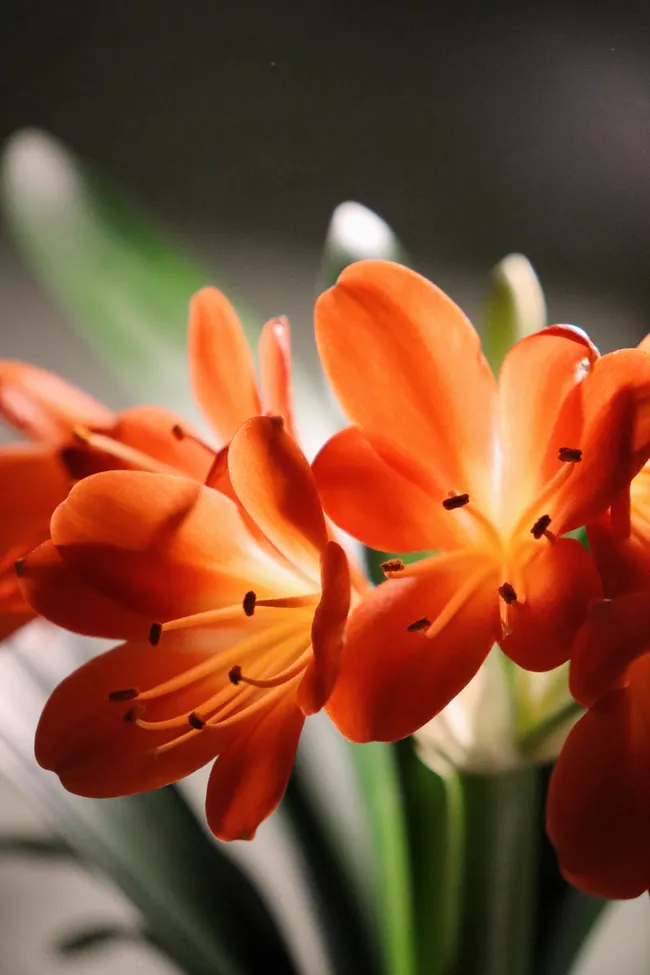
The delicate structure of a trillium flower. (Credit: Mehmet Turgut Kirkgoz via Pexels)
When to Actually Do This
Spring is the golden window for trillium maintenance. While many gardeners fear disturbing plants during their active growth phase, this is precisely when you should lift and divide them. In the Northeast and similar temperate zones, aim for the period when they are in bloom or just beginning to emerge. This allows the plant to re-establish its root system while it still has the energy reserves to support new growth. For more tips on timing, check out our guide on native plant success.
Expert Tips for Cultivating and Dividing
When you finally dig up a clump, you’ll see a gnarly, woody rhizome. If you look closely, you’ll see bands, terminal bud scars. These are the plant’s history. Counting them is like reading tree rings; a rhizome the size of your thumb can easily be 20 years old. Remember, patience is the gardener’s greatest tool here: it takes four to five years for a seedling to bloom, and nearly a decade for a plant to reach full maturity. Avoid the temptation of cheap, bare-root bulk deals, which are often the result of unethical wild-harvesting.
Sustainability in the woodland garden starts with sourcing. Always verify that your nursery propagates from seed or division rather than wild-collecting. To protect your existing patches, focus on deer management and invasive species control. If you see a trillium being browsed by deer, it’s losing the energy it needs to form next year’s bud. Protecting these ephemerals is a long-term investment in your local ecosystem, much like the principles discussed in our article on the hidden cost of a clean yard.
The rhizome reveals the age of the plant. (Credit: Jakob Owens via Unsplash)
The Lazy Gardener's Shortcut
If you want to display small "belly plants" like Houstonia (bluets) or dwarf trilliums without the back-breaking work of clearing leaf litter, look for natural mossy patches. Nature has already done the work of keeping these spots clear. Simply tuck your miniature treasures into the moss; it provides a perfect, moisture-retentive backdrop that highlights their delicate features without the risk of them being smothered.
The Other Side of the Story
Many gardeners view moss as a lawn failure, a sign of too much shade or moisture. I argue the opposite: if your lawn is struggling with moss, stop fighting it. Embrace the mossy patch. It is a superior environment for woodland ephemerals that would otherwise struggle in the heavy leaf litter of a traditional garden bed. This shift in perspective is key to moving away from the myth of the perfect garden.
The Decision Matrix
Not sure what to plant in your mossy patch? Use this guide:
If your spot is consistently wet: Try saxifrages or primroses.
If your spot is on the drier side: Opt for woodland sedums like Sedum ternatum.
If you want early spring color:Iris reticulata is a stunning, jewel-like addition.
My Recommended Setup
For working with delicate rhizomes, I rely on a narrow, long-handled hori-hori knife for precise lifting. When identifying species, I keep a copy of regional botanical keys handy, specifically those that include fragrance as a diagnostic character. For soil health, I rely on a simple, organic leaf-mold mulch to mimic the natural forest floor.
Have you ever taken the time to smell your trilliums, or have you been avoiding the "musty" ones? I’d love to hear about the unique fragrance profiles you’ve discovered in your own garden. I will be replying to every comment in the first 24 hours.
The best time to lift and divide trilliums is during their active growth phase in the spring, ideally when they are in bloom or just beginning to emerge.
You can estimate the age of a trillium rhizome by counting the terminal bud scars on the woody surface; each band represents one year of growth.
Trilliums have different fragrance profiles to attract specific pollinators. Those that smell like rotten meat are specifically adapted to attract flies and beetles.
Active Engagement
Was this information helpful?
Join Discussions
0 Thoughts
Editorial Team • Question of the Day
"What is the most surprising scent you’ve encountered in your woodland garden?"