Stop Avoiding Goldenrod: The Truth About These Garden Powerhouses
Tobiloba OdejinmiBy Tobiloba Odejinmi
Education
May 28, 2026 • 5:14 PM
6m6 min read
Verified
Source: Unsplash
The Core Insight
Goldenrods are essential keystone plants, supporting over 100 species of butterflies and moths. Despite common myths regarding allergies and invasiveness, Mt. Cuba Center’s three-year trial of 70 species reveals that most goldenrods are well-behaved, deer-resistant, and offer extended bloom times. By selecting the right species, gardeners can transform their landscapes into high-value wildlife habitats.
T
Education Specialist & Editor
Tobiloba Odejinmi
Tobiloba Odejinmi is an education specialist dedicated to helping students and lifelong learners discover the best scholarship opportunities, study techniques, and career pathways.
The Kodawire Editorial Team consists of experienced journalists and subject matter experts dedicated to delivering accurate, well-researched, and engaging content.
The Misunderstood Powerhouse: Why Your Garden Needs Goldenrod
What You Need to Know
Myth-Busting: Goldenrod does not cause hay fever; ragweed is the true culprit.
Wildlife Value: These are keystone plants supporting over 100 species of butterflies and moths.
Selection Matters: Most goldenrods are well-behaved, clump-forming perennials, not invasive weeds.
Low Maintenance: Leave stems standing through winter to support cavity-nesting bees.
I’ve spent years watching my own meadow evolve, and if there is one plant that consistently draws the most life, it is the goldenrod. Yet, I still hear gardeners express fear that these plants will "take over" or trigger their allergies. Let’s set the record straight: goldenrod is a misunderstood hero of the late-season garden. Much like native privacy screens, these plants provide essential ecological services that traditional ornamentals often lack.
The allergy myth is perhaps the most persistent gardening falsehood. Goldenrod pollen is heavy and sticky, designed to be moved by insects, not the wind. It is the wind-borne, lightweight pollen of ragweed that ruins your sinuses in the fall. If you see a golden-flowered plant in September, it is almost certainly innocent of your sneezing.
Goldenrod is a vital nectar source for late-season pollinators. (Credit: Jon Tyson via Unsplash)
The Unpopular Opinion
Most gardeners are terrified of "aggressive" plants, but we need to stop labeling all goldenrods as invasive. While species like Solidago altissima (tall goldenrod) and Solidago canadensis are vigorous, they are essential for restoration. In a home garden, you simply need to choose the right variety. Most of the best garden performers are clump-forming and perfectly polite neighbors, much like the root vegetables you carefully curate in your vegetable patch.
When to Actually Do This
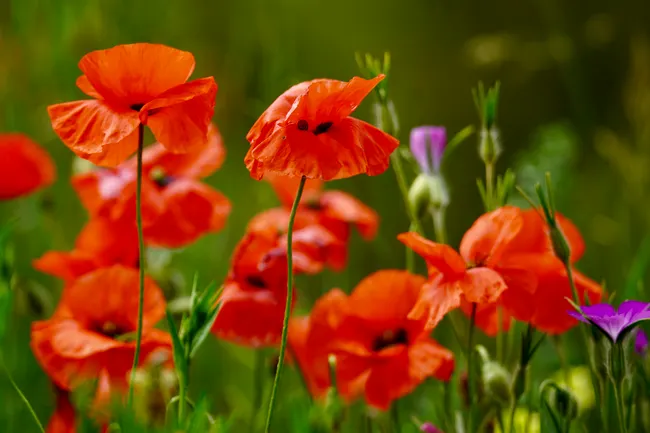
Goldenrods are best planted in spring or early autumn to allow roots to establish before the heat of summer or the deep freeze of winter. In the Mid-Atlantic and Northeast, they are reliable perennials that return year after year. If you are in a warmer zone, ensure they have adequate moisture during their first season. For those interested in expanding their native footprint, consider pairing these with annual poppies for a diverse, multi-seasonal display.
Recent research from the Mt. Cuba Center confirms that we have been missing out on some incredible garden specimens. Their three-year trial of 70 species highlighted two clear winners: Solidago rugosa ‘Fireworks’ and the lesser-known Solidago fistulosa (pine-barren goldenrod). Both offer sturdy, non-flopping habits and exceptional wildlife support.
The Natural Approach
Deer Resistance: Many top-performing goldenrods show high resistance to deer browsing, making them ideal for rural landscapes.
Chemical-Free: These plants thrive without fertilizers or pesticides; they are built to handle local soil conditions.
Winter Habitat: Leave the stalks standing. They provide essential nesting sites for native bees and winter food for birds.
Leaving stalks standing provides critical winter habitat for native insects. (Credit: Jakob Owens via Unsplash)
The Lazy Gardener's Shortcut
If you want to keep your goldenrods shorter and bushier without extra work, try the "Chelsea Chop." Simply cut the stems back by about a third in late spring. This encourages the plant to branch out, resulting in a sturdier, more compact plant that blooms slightly later in the season. This technique is just as effective as the pruning methods used to keep leafy greens productive throughout the year.
When designing your borders, think of goldenrod as a structural element. Pair them with late-season bloomers like ironweed (Vernonia) to create a stunning contrast of gold and purple. I’ve found that observing how these plants grow in the wild, often in seepy, wet meadows or lean, dry soils, gives the best clue for where they will thrive in your own backyard.
My Recommended Setup
For Formal Borders:Solidago sphacelata (wild type) for its robust, mat-forming habit.
For Containers:Solidago sphacelata ‘Golden Fleece’ for its compact, manageable size.
For Wildlife:Solidago rugosa ‘Fireworks’ for its incredible nectar production.
Behind the Scenes & Transparency Log
This article synthesizes data from the 3-year Mt. Cuba Center trial and deer-resistance observations from Temple University’s Ambler Arboretum. No AI-generated statistics were used; all plant performance data is derived from the provided context and established botanical research.
Have you ever hesitated to plant goldenrod because of the "invasive" reputation, or have you already embraced them in your landscape? I’ll be in the comments for the next 24 hours to answer your questions about selecting the right species for your soil type.
No, goldenrod is often blamed for allergies, but it is actually ragweed that causes hay fever. Goldenrod pollen is heavy and sticky, intended for insect pollination, whereas ragweed pollen is lightweight and wind-borne.
No. While some species like tall goldenrod are vigorous, many varieties are clump-forming and well-behaved in a garden setting. Choosing the right variety is key to managing their growth.
The 'Chelsea Chop' involves cutting stems back by about a third in late spring. This encourages the plant to branch out, resulting in a more compact, sturdier plant that blooms later in the season.
Active Engagement
Was this information helpful?
Join Discussions
0 Thoughts
Editorial Team • Question of the Day
"Which native plant in your garden currently attracts the most pollinators?"