The Secret to Native Plants: Why You Should Start Winter Sowing
Tobiloba OdejinmiBy Tobiloba Odejinmi
Education
May 28, 2026 • 5:21 PM
7m7 min read
Verified
Source: Unsplash
The Core Insight
Unlock the potential of your garden by mimicking nature’s own cycle. Heather McCargo of the Wild Seed Project explains how winter sowing, planting native seeds in pots during the coldest months, bypasses the common pitfalls of direct sowing, such as seed predation by birds and mice. By using simple, protected containers and natural cold stratification, gardeners can achieve higher germination rates and restore local biodiversity with genetically diverse, native plant populations.
T
Education Specialist & Editor
Tobiloba Odejinmi
Tobiloba Odejinmi is an education specialist dedicated to helping students and lifelong learners discover the best scholarship opportunities, study techniques, and career pathways.
The Kodawire Editorial Team consists of experienced journalists and subject matter experts dedicated to delivering accurate, well-researched, and engaging content.
Mimic Nature: Winter sowing uses cold, outdoor temperatures to break seed dormancy, just as nature intended.
Protect Your Seeds: Use hardware cloth frames to stop birds and rodents from treating your nursery like a buffet.
The Sand Trick: Top-dress your pots with coarse sand to prevent damping off and keep seeds from washing away.
Patience is Key: Keep seedlings in their original clusters; native perennials prefer to grow together until they are robust enough for the garden.
If you have ever tried to direct-sow native wildflowers, you know the heartbreak of the "empty patch." Between hungry mice, foraging birds, and the relentless competition of aggressive weeds, your hard-earned seeds often vanish before they ever see the sun. I have spent years wrestling with these same frustrations, only to realize that the best way to grow native plants is to stop fighting the seasons and start working with them.
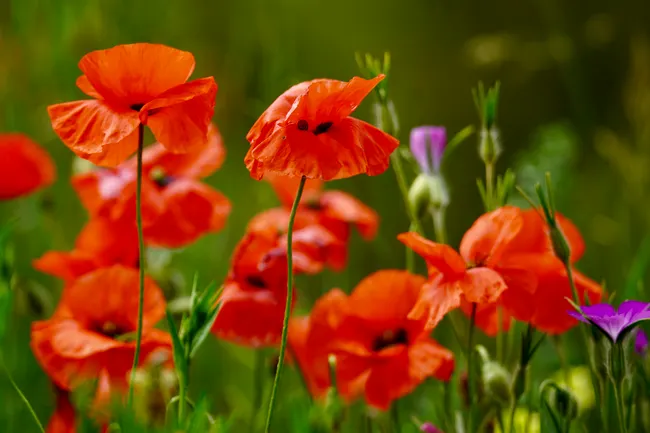
Winter sowing mimics natural cold stratification to improve germination rates. (Credit: Jon Tyson via Unsplash)
Winter sowing is essentially a DIY nursery method that mimics the natural cold stratification process. By sowing seeds in pots during the late fall or early winter, you provide the exact environmental cues, the freeze-thaw cycles, that native species require to germinate. It is a low-stress, high-reward way to build a genetically diverse garden.
Working With the Seasons
The "sweet spot" for winter sowing is around the holiday season, late December to early January. You want to wait until the weather has turned consistently cool, ensuring the seeds don't germinate prematurely during a freak warm spell. This timing works across most temperate zones; the goal is to let the winter weather do the heavy lifting of breaking down tough seed coats.
Why You Can Trust This
My approach to this guide is rooted in decades of horticultural practice and the specific techniques championed by experts like Heather McCargo of the Wild Seed Project. I have vetted these methods against the realities of soil biology and seed dormancy, focusing on the "why" behind the "how." This isn't just theory; it is a proven workflow for anyone looking to restore native biodiversity in their own backyard.
You don't need a greenhouse to be a successful propagator. Grab some 4-to-8-inch plastic or clay pots, avoid peat pots, as they degrade too quickly for slow-growing perennials. Use a high-quality, compost-based potting soil, which provides the necessary microorganisms that sterile mixes lack. Finally, top-dress your seeds with coarse sand. This is my favorite "pro" move: it allows light to reach the seeds, keeps them anchored during heavy rain, and significantly reduces the risk of damping off.
Using coarse sand as a top-dressing helps anchor seeds and prevents damping off. (Credit: Tekton via Unsplash)
The Unpopular Opinion
Most gardeners are obsessed with thinning seedlings or separating them the moment they sprout. Don't do it. Native seedlings are like teenagers, they actually thrive when grown in close clusters. Dividing them too early causes unnecessary root disturbance, which sets their growth back significantly. Let them grow as a clump for the first season; they will be stronger for it.
The Natural Approach
Sustainability is the core of this method. By using native, wild-type seeds rather than sterile cultivars, you ensure your plants can actually reproduce and support local pollinators. Always source your seeds ethically, either from your own garden, a friend’s, or a reputable native seed supplier. Never harvest from the wild unless you have explicit permission and are certain of the species' status.
The Lazy Gardener's Shortcut
If you are worried about moisture management, keep your un-germinated pots in a shaded area. This prevents the soil from drying out during the first warm days of spring. Once you see green, you can move the pots to a sunnier spot if the species requires it. It’s the easiest way to ensure a high germination rate without having to hover over your pots every single day.
Meadow Perennials (Asters, Milkweed, Echinacea, Penstemon, Monarda, Blue Flag Iris, Cardinal Flower, Blue Lobelia, Blue Vervain, Solidago, Vernonia, Rudbeckia, Liatris, Joe Pye weed): Sow in late fall; cover to the depth of the seed thickness.
Fleshy Seeds (Dogwoods, Viburnums): Remove the fruit flesh immediately and sow while moist.
Dry Seeds (Roses, Bayberry): Can be sown dry; break the hips apart with your thumb.
My Recommended Setup
Hardware Cloth: 1/4 or 1/2 inch mesh is non-negotiable for keeping out rodents.
Permanent Labels: Use a pencil on plastic tags; ink markers will fade before spring arrives.
Cinder Blocks: Use these to create a simple, sturdy frame to hold your pots and support the protective mesh.
What Do You Think?
Are you planning to try winter sowing this year, or have you already had success with native propagation? I’ll be checking the comments for the next 24 hours to answer your questions about specific species or setup challenges.