Stop Pulling Weeds: The Secret to a Thriving Native Garden
Tobiloba OdejinmiBy Tobiloba Odejinmi
Education
May 28, 2026 • 5:47 PM
2m2 min read
Verified
The Core Insight
Landscape architect Preston Montague reveals why traditional 'weed-pulling' is often counterproductive in native gardens. Instead, he advocates for 'vegetative body' management, using a string trimmer to suppress invasive species and shape plant communities, effectively simulating natural browsing and fire cycles to maintain a healthy, resilient ecosystem.
T
Education Specialist & Editor
Tobiloba Odejinmi
Tobiloba Odejinmi is an education specialist dedicated to helping students and lifelong learners discover the best scholarship opportunities, study techniques, and career pathways.
The Kodawire Editorial Team consists of experienced journalists and subject matter experts dedicated to delivering accurate, well-researched, and engaging content.
The Art of the "Hairy" Garden: Rethinking Native Landscapes
What You Need to Know
Embrace the "Hairy" Aesthetic: Naturalistic gardens aren't static; they are dynamic communities that often lean toward grass-heavy ratios for better long-term stability.
Stop Pulling, Start Zapping: Manual weeding disturbs the soil and triggers new seed germination. Use a string trimmer to suppress invasive species without breaking the soil surface.
Design for the Long Haul: Maintenance is the most critical phase of design. Focus on managing the "vegetative body" of your garden rather than obsessing over individual plants.
Supersaturate Your Planting: Use a dense mix of seeds and plugs from day one to crowd out weeds and establish a resilient, competitive plant community.
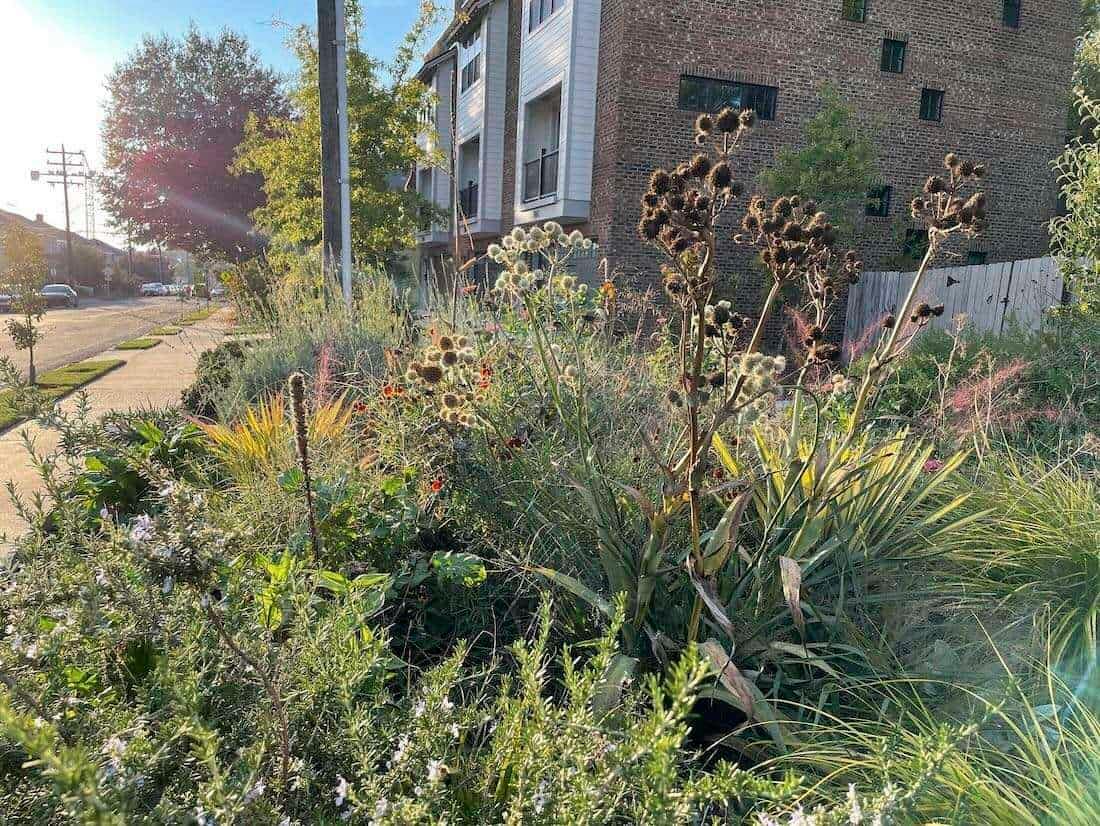
If you have ever tried to transition from a traditional perennial border to a native habitat garden, you have likely felt the sting of frustration. We are conditioned to treat every plant as a precious individual, but landscape architect Preston Montague suggests we need a radical shift in perspective. Instead of viewing your garden as a collection of specimens, start seeing it as a dynamic, evolving community, one that might look a little "hairier" than the manicured beds we are used to. For those looking to refine their approach, stopping the habit of gardening like a painter is the first step toward true ecological success.
Embracing the 'hairy' aesthetic means prioritizing dynamic, grass-heavy plant communities. (Credit: Jon Tyson via Unsplash)
Working With the Seasons
In regions like the Piedmont of North Carolina, the climate is a formidable opponent. With three distinct summers and high humidity, plants are under constant stress. I have found that the best time to establish these naturalistic plantings is when you can ensure consistent moisture for the initial "leap to life" phase. However, the real work happens in late summer, when invasive species like crabgrass and nutsedge are most active. By timing your "zapping" sessions to prevent these interlopers from going to seed, you can effectively lock them into a state of stasis without ever needing to reach for a trowel. If you are struggling with specific invasive species, learning the art of ecological editing can help you maintain control without destroying your soil.
I’ve spent years wrestling with weeds, only to realize that my manual labor was part of the problem. Every time I yanked a weed, I disturbed the soil, creating a perfect, sunlit gap for the next generation of weed seeds to germinate. It is a cycle of frustration. Instead, I have adopted the "string trimmer strategy." By angling the trimmer to "floss" or "zap" unwanted guests, I keep them suppressed while leaving the soil structure, and the desired plants, entirely intact.
The Contrarian's Corner
Most gardening advice tells you to eradicate weeds entirely. I disagree. Total eradication is a myth in a healthy, functioning ecosystem. Instead of aiming for a sterile, weed-free zone, aim for population control. By keeping invasive species stressed and in stasis, you allow your native plants to dominate the space. You aren't losing the battle; you are managing the community. For more on why perfection is the enemy of progress, check out the 'bad naturalist' guide to garden management.
Sustainability in the garden means working with natural analogs. Pulling weeds has no equivalent in nature. Instead, think like a browser. Animals, fire, and natural disturbances don't "pull" plants; they graze them to the ground. By using a string trimmer to simulate this grazing, you are working with the natural rhythms of the landscape rather than fighting against them.
Simulating natural grazing with a string trimmer helps maintain plant communities without soil disturbance. (Credit: Jakob Owens via Unsplash)
When designing, I now focus on "supersaturating" the site. By using a dense mix of seeds and plugs, you leave no room for weeds to gain a foothold. Furthermore, I am increasingly obsessed with what happens below the surface. By selecting a diverse range of root structures, fleshy roots for drought tolerance and fine roots for nutrient uptake, you create a subterranean community that is far more resilient to environmental stress than any monoculture could ever be.
The Lazy Gardener's Shortcut
If you want a low-effort way to create structure, look into "bio-hedges." By planting native shrubs like Alnus serrulata, Viburnum nudum, Viburnum prunifolium, Cornus amomum, or Ilex glabra in a mass and using a string trimmer to shape them, you can create a dense, functional hedge without the need for precise, individual pruning. It is fast, effective, and incredibly satisfying. For more on the benefits of these plants, explore the secret power of native shrubs.
My Personal Toolkit
String Trimmer: The ultimate tool for "flossing" invasive species and shaping bio-hedges.
Native Plugs: Essential for introducing keystone species and controlling the aesthetic and functional composition of the garden.
Seed Mixes: The foundation for groundcover and long-term community stability.
Interactive Decision-Making Tool
Not sure how to handle a weed problem? Follow this simple logic:
Is it a small, isolated weed? Use a hand tool, but minimize soil disturbance.
Is it a widespread invasive population? Use the string trimmer to "zap" the tops and prevent seed set.
Is the area looking thin? Supersaturate with more native seeds or plugs to crowd out the competition.
Behind the Scenes & Transparency Log
This article synthesizes the design philosophy of Preston Montague regarding Piedmont NC landscapes. The focus on "hairy" gardens and string-trimmer maintenance is derived from his specific pedagogical approach to native plant communities, emphasizing root-zone diversity and the avoidance of soil-disturbing manual weeding.
Are you ready to embrace a "hairier" garden, or do you still find yourself reaching for the hand-puller at the first sign of a weed? I’ll be in the comments for the next 24 hours to hear about your experiences with naturalistic design.
Manual weeding disturbs the soil, which creates sunlit gaps that trigger new weed seeds to germinate, perpetuating a cycle of frustration.
Instead of pulling weeds, you use a string trimmer to 'zap' or 'floss' the tops of invasive plants. This keeps them in a state of stasis and prevents them from going to seed without disturbing the soil structure.
It involves using a dense mix of native seeds and plugs from the beginning to ensure there is no room for weeds to gain a foothold, creating a competitive and resilient plant community.
Active Engagement
Was this information helpful?
Join Discussions
0 Thoughts
Editorial Team • Question of the Day
"What is the one "uninvited guest" in your garden that you’ve finally decided to stop fighting and start managing?"