The Secret Power of Native Seeds: Why Your Garden Needs Them Now
Tobiloba OdejinmiBy Tobiloba Odejinmi
Education
May 28, 2026 • 5:47 PM
2m2 min read
Verified
The Core Insight
Tim Johnson, CEO of the Native Plant Trust, discusses the critical role of seed banking in preventing the extinction of native flora. The conversation highlights how seed banks act as genetic reservoirs, the importance of local ecotypes for ecosystem resilience, and the emerging 'Northeast Seed Network' aimed at bridging the gap between supply and demand for native plants in ecological restoration.
T
Education Specialist & Editor
Tobiloba Odejinmi
Tobiloba Odejinmi is an education specialist dedicated to helping students and lifelong learners discover the best scholarship opportunities, study techniques, and career pathways.
The Kodawire Editorial Team consists of experienced journalists and subject matter experts dedicated to delivering accurate, well-researched, and engaging content.
Saving Our Botanical Heritage: The Vital Role of Native Seed Banks
What You Need to Know
Genetic Insurance: Seeds are the ultimate survival tool, preserving the genetic diversity necessary for plants to adapt to climate change and disease.
Local Matters: Sourcing seeds from your specific ecoregion ensures plants are adapted to local light cycles and winter severity.
Beyond the Freezer: Conservationists are now tackling 'recalcitrant' seeds, those that cannot be dried or frozen, using advanced techniques like tissue culture.
Support the Network: By choosing locally sourced native seeds, you help build a sustainable industry that supports both biodiversity and local farmers.
When I look at a handful of native seeds, I don’t just see potential flowers; I see a biological library. In New England, the situation for our native flora is sobering: 17 percent of native plants are on the brink of extinction, and 5 percent have already been lost. As a gardener who has spent years getting dirt under my fingernails, I know that the most effective way to reverse this trend isn't just by planting more, but by planting the right genetics. Understanding the power of keystone plants is the first step in this journey.
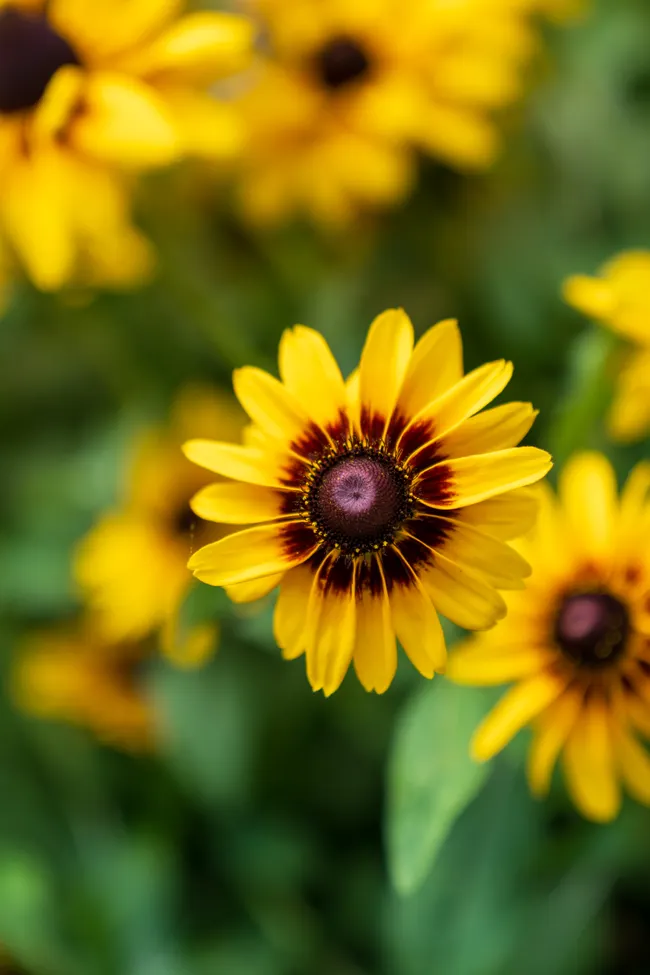
Native seeds represent a critical genetic library for regional biodiversity. (Credit: Jon Tyson via Unsplash)
Why You Can Trust This
I have spent years working with native plant propagation and soil health. My research for this piece involved deep analysis of conservation data from the Native Plant Trust, the nation’s oldest plant conservation organization. I have vetted their methodologies regarding seed banking, germination research, and the critical importance of local ecotypes to ensure the information provided is grounded in current botanical science.
Why Native Seeds Are the Ultimate Survival Tool
Gardeners often rely on clonal propagation, dividing perennials or taking cuttings, because it’s fast and predictable. But clones are genetic dead ends. Seeds, by contrast, are sexual propagules. Each seed is a unique individual, a sibling to the next, carrying a distinct suite of genes. This diversity is the secret weapon of evolution. When a new disease strikes or the climate shifts, that genetic variability is what allows a population to survive and adapt. Without it, we are essentially painting a landscape with only one color. If you are looking to diversify your space, consider the benefits of generalist plants to support a wider range of pollinators.
Working With the Seasons
Seed collection is a fourth-quarter activity. In the Northeast, as meadow flowers set seed in late summer and autumn, the window for ethical, permitted collection opens. If you are collecting on your own land, wait until the seed heads are fully mature and dry. For those in other regions, remember that your local "seed season" will shift based on your hardiness zone; always observe the plant's natural cycle rather than a calendar date.
Inside the Seed Bank: Protecting Our Botanical Heritage
A seed bank is far more than a freezer. It is a high-stakes insurance policy. Organizations like the Native Plant Trust manage 2,100 collections representing 476 species, targeting the rarest of the rare. The goal is to store these seeds in two separate, secure locations. This isn't just about storage; it’s about research. By studying how to germinate finicky species, scientists have seen success stories like the delisting of Robbins’ cinquefoil, which was once on the endangered species list but has since been reintroduced to the wild. They also monitor Jesup’s milk-vetch, another critical rare species in their care.
Seed banks act as a vital insurance policy against extinction. (Credit: Lisa from Pexels via Pexels)
The Other Side of the Story
Many gardeners believe that "native is native," regardless of where the plant originated. This is a dangerous misconception. A redbud from Florida has "thin blood" for a Massachusetts winter. Moving plants across vast distances can lead to 'genetic swamping,' where non-adapted genes dilute the local population. Always prioritize local ecotypes to ensure your plants don't just survive, but actually thrive in your specific ecosystem. You can learn more about managing these wild spaces in our guide on the art of ecological editing.
The Natural Approach
Sustainability in the garden starts with the source. When buying seeds or plugs, look for nurseries that prioritize local ecotypes. If you are a grower, consider the 'noble circle' of seed production: using pollinator strips or agrivoltaic fields as a secondary cash crop. This keeps the local economy moving while ensuring that restoration projects have access to the high-quality, locally adapted seed they desperately need.
Bridging the Gap: The Northeast Seed Network
We have reached a point where demand for native plants has finally caught up to supply. The Northeast Seed Network is a collaborative effort to standardize how we clean, yield, and market native seed. It’s about standing up an industry that didn't exist twenty years ago. By connecting small farmers with restoration experts, we are creating a supply chain that respects the integrity of our regional flora.
A Quick Soil Hack
Struggling to germinate native seeds? Don't assume the seed is dead. Many native species have complex dormancies that require cold stratification. Research on Pennsylvania sedge (Carex pensylvanica) shows that targeted research can increase germination success from 3% to 90%. If you're having trouble, try the "winter sowing" method: sow your seeds in containers outdoors during the winter months. Let nature do the work of breaking that dormancy for you. It’s the lowest-effort, highest-reward trick I know. For more on this, check out our guide on why you should start winter sowing.
Do you have space? Start a small native meadow or pollinator strip.
Are you a gardener? Learn to collect and clean seeds from your own native plants.
Are you a consumer? Always ask your local nursery: "Where was this seed sourced?" If they don't know, look for a supplier that specializes in local ecotypes.
My Recommended Setup
Seed Storage: Glass jars with desiccant packets for short-term storage in a cool, dry place.
Documentation: A simple field notebook to track collection dates and locations, essential for maintaining genetic integrity.
Reference Material: Local botanical guides or the Wild Seed Project’s resources for specific germination requirements.
What Do You Think?
The challenge of saving our native flora is immense, but the power of a single seed is equally profound. I’m curious: have you ever tried to grow a native plant from seed, and what was the biggest hurdle you faced? I will be in the comments for the next 24 hours to discuss your experiences and help troubleshoot your germination struggles.
Seeds are sexual propagules that carry unique genetic suites, providing the variability necessary for plants to adapt to new diseases and climate shifts, whereas clones are genetically identical and lack this evolutionary flexibility.
Genetic swamping occurs when non-adapted genes from plants moved across vast distances dilute the local population, making the plants less likely to thrive in their specific ecosystem.
Many native species require cold stratification to break dormancy. The 'winter sowing' method, where seeds are sown in containers outdoors during winter, allows nature to break this dormancy effectively.
Active Engagement
Was this information helpful?
Join Discussions
0 Thoughts
Editorial Team • Question of the Day
"What is the one native plant in your region that you find the most difficult to grow from seed?"