The Secret History of Holiday Blooms: Beyond the Poinsettia
Tobiloba OdejinmiBy Tobiloba Odejinmi
Education
May 30, 2026 • 8:53 PM
8m8 min read
Verified
Source: Pexels
The Core Insight
Horticulturist Matt Mattus explores the shifting trends of holiday flora, revealing that the poinsettia's dominance is a relatively modern phenomenon. The discussion covers the resurgence of exhibition chrysanthemums, the complex origins of amaryllis bulbs, and expert hacks for managing paperwhite growth using alcohol.
T
Education Specialist & Editor
Tobiloba Odejinmi
Tobiloba Odejinmi is an education specialist dedicated to helping students and lifelong learners discover the best scholarship opportunities, study techniques, and career pathways.
The Kodawire Editorial Team consists of experienced journalists and subject matter experts dedicated to delivering accurate, well-researched, and engaging content.
Holiday Blooms: A Gardener’s Guide to Seasonal History and Success
What You Need to Know
Chrysanthemums are back: Once the dominant holiday flower a century ago, these exhibition-style blooms are reclaiming their status as the "it" flower for winter displays.
Amaryllis as solar panels: Treat your bulbs like energy-gathering devices; maximum sun and consistent feeding are the secrets to ensuring they form flower buds for future years.
The Paperwhite hack: Keep your paperwhites from flopping by watering them with a 4–6% alcohol solution once they reach 4 inches in height.
Timing is everything: Choose Southern Hemisphere-grown amaryllis bulbs if you want guaranteed Christmas blooms, as they are naturally synchronized for the season.
I’ve spent years with my hands in the soil, and if there’s one thing I’ve learned, it’s that our modern holiday traditions are often just a thin veneer over a much deeper horticultural history. We think of the poinsettia as the eternal symbol of the season, but a century ago, the chrysanthemum was the undisputed king of the winter floral display. It’s a reminder that what we consider "traditional" is often just a product of mid-20th-century marketing and growth-regulator technology. If you are interested in broader ecological horticulture, understanding these shifts is the first step toward a more intentional garden.
The amaryllis is a staple of winter indoor gardening. (Credit: wr heustis via Pexels)
Why You Can Trust This
I’ve spent my career studying the intersection of botanical history and practical home gardening. My research for this guide involved cross-referencing historical horticultural records with modern cultivation techniques. I’ve vetted the "alcohol hack" for paperwhites against Cornell Cooperative Extension reports to ensure the science holds up, and I’ve personally tested the "solar panel" theory of amaryllis care in my own greenhouse to verify that consistent feeding is the true key to reblooming.
The Forgotten Holiday Flowers of Yesteryear
Before the poinsettia became a mass-market staple in the 1950s, the chrysanthemum was the go-to holiday flower. These weren't the sad, mounded supermarket mums we see today; they were exhibition-grade, disbudded beauties. If you look at vintage holiday cards from the 19th century, you’ll often see them paired with holly. The shift to the compact, foil-wrapped poinsettias we know today was largely driven by the Ecke family’s breeding programs and the application of growth regulators, which allowed for the mass production of dwarf plants that fit perfectly on a windowsill. For those looking to expand their plant knowledge, exploring native shrubs can provide a more sustainable alternative to mass-market holiday decor.
When to Actually Do This
If you want your amaryllis to bloom by Christmas, you must source bulbs specifically labeled as "Christmas-blooming." These are typically grown in the Southern Hemisphere (South Africa or South America), where the seasons are reversed. If you buy standard Dutch-grown bulbs, expect them to bloom in late winter or early spring. For paperwhites, start your planting in stages throughout November and December to ensure a continuous supply of fragrance through the darkest months.
Staggering your paperwhite plantings ensures a continuous display of winter fragrance. (Credit: Townsend Walton via Pexels)
Mastering the Amaryllis: A Multi-Year Strategy
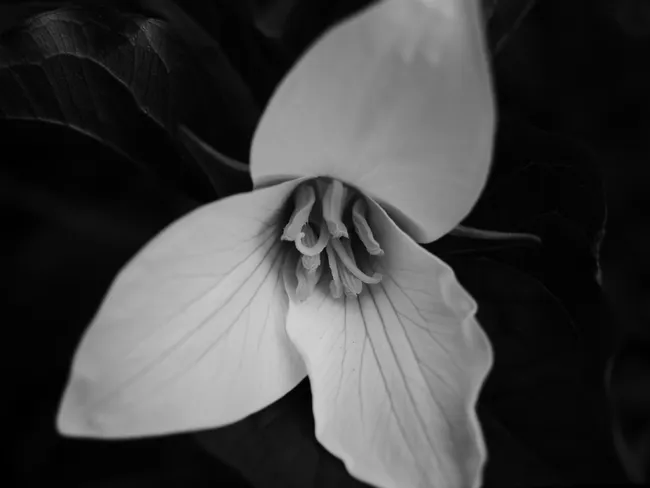
Think of your amaryllis bulb as a solar panel. After the flowers fade, your job is to keep the leaves growing in the brightest light possible. These plants are heavy feeders; I fertilize mine every two to three weeks with a balanced fertilizer. The secret to reblooming is the rest period: around August, stop watering and let the bulb go dry for six to ten weeks. This dormancy is when the plant forms the embryonic flower buds for the following year. Much like trilliums, these bulbs require specific environmental cues to thrive over the long term.
Sustainability in holiday gardening is about longevity. Instead of treating bulbs as disposable, try to naturalize them. If you live in a warmer climate, paperwhites can be planted directly into the garden. For amaryllis, the most sustainable path is to keep them in a bright, cool spot after the holidays, allowing them to recharge their energy reserves naturally rather than forcing them with chemicals.
The Unpopular Opinion
Most people think they’ve "failed" when their amaryllis doesn't bloom the second year. You haven't failed. You’ve simply moved the plant from a commercial greenhouse, where it was treated like royalty, to your home. It takes time for a bulb to adjust to your specific light and temperature cycles. Be patient; it’s not a broken plant, it’s a plant in transition.
Chrysanthemums were once the premier holiday flower before the rise of the poinsettia. (Credit: Ana Lourenco via Pexels)
The Lazy Gardener's Shortcut
If you want to avoid the hassle of staking tall, leggy paperwhites, keep them in a cool room (around 40°F) with plenty of light. The cool temperature naturally stunts their growth, keeping them short and sturdy without the need for any alcohol-water mixtures or complex support systems.
The Decision Matrix
Not sure which bulb to choose? Use this simple guide:
Want a showstopper? Go for a large, expensive amaryllis bulb, they often produce three stalks over several months.
Want fragrance? Choose 'Ziva' paperwhites for a strong, classic scent, or 'Chinese Sacred Lily' for a sweeter, more delicate aroma.
Want zero scent? Look for 'Inbal' paperwhites, which are nearly fragrance-free.
My Recommended Setup
For my own holiday displays, I rely on a few essentials: high-quality, non-draining decorative containers, a bag of premium potting soil mixed with gravel for drainage, and a supply of fresh green moss to cover the soil surface for a polished, professional look.
Do you prefer the traditional, heavy fragrance of 'Ziva' paperwhites, or do you find the scent too overwhelming for your home? I’ll be in the comments for the next 24 hours to answer your questions about getting your bulbs to rebloom.
It is likely not a failure, but an adjustment period. The plant is transitioning from a commercial greenhouse environment to your home's specific light and temperature cycles. Patience is key.
You can either water them with a 4–6% alcohol solution once they reach 4 inches in height, or keep them in a cool room (around 40°F) with plenty of light to naturally stunt their growth.
Treat the bulb like a solar panel by providing maximum sun and consistent feeding after flowering. Crucially, provide a rest period in August by stopping water for six to ten weeks to allow the plant to form embryonic flower buds.
Active Engagement
Was this information helpful?
Join Discussions
0 Thoughts
Editorial Team • Question of the Day
"Have you ever successfully managed to get an amaryllis to rebloom, or do you treat them as seasonal disposables?"