Beyond Green: The Secret to Growing a Rainbow of Edible-Podded Peas
Elijah TobsBy Elijah Tobs
Garden
May 26, 2026 • 9:45 PM
7m7 min read
Verified
Source: Pexels
The Core Insight
Dylana Kapuler and Mario DiBenedetto of Peace Seedlings discuss their mission to breed open-source, colorful, and highly nutritious edible-podded peas. By moving away from patented, commercial varieties, they have developed unique 'hypertendril' peas and a spectrum of colors, including purple, yellow, and ruby, that offer superior flavor, texture, and garden aesthetics. The conversation also covers the ease of growing edamame and the development of climate-adapted sesame and microgreen amaranth.
As the founder and primary investigative voice at Kodawire, Elijah Tobs brings over 15 years of experience in dissecting complex geopolitical and financial systems. His work is centered on the ethical governance of emerging technologies, the shifting architectures of global finance, and the future of pedagogy in a digital-first world. A staunch advocate for high-fidelity journalism, he established Kodawire to be a sanctuary for deep-dive intelligence. Moving away from the ephemeral nature of modern headlines, Kodawire delivers permanent, verified insights that challenge the status quo and empower the global reader.
The Rainbow of Peas: Why Open-Source Breeding is Changing Your Garden
What You Need to Know
Prioritize Open-Source: Choose non-patented, open-pollinated seeds to ensure you can save your own harvest year after year.
Master the "Puffer Pod": Don't fear the bulge; letting snow peas mature into "puffer pods" creates a unique, potato-chip-like crunch.
Look for Hypertendrils: Seek out varieties with "hypertendril" traits for self-supporting vines that withstand spring storms.
Diversify Your Palette: Incorporate purple, yellow, and ruby-hued legumes to boost anthocyanin intake and garden aesthetics.
I’ve spent decades with my hands in the soil, and if there is one thing I’ve learned, it’s that the most vibrant gardens are the ones that tell a story. For years, the seed industry has been dominated by patented, privatized varieties. But there is a quiet revolution happening in the world of legumes, led by breeders like Dylana Kapuler and Mario DiBenedetto of Peace Seedlings. They are proving that the future of gardening isn't just about yield, it’s about color, nutrition, and the freedom to save your own seeds. If you are looking to expand your creative garden palette, these open-source varieties are the perfect place to start.
When to Actually Do This
Peas are a cool-season crop that thrive when the soil is workable. In most temperate zones, you should aim to get your seeds in the ground as soon as the soil thaws, often February or March. If you live in a region with harsh winters, don't wait for the "last frost" date; peas are remarkably resilient to light frosts. In the Pacific Northwest, gardeners often start them as early as January to ensure they are established before the spring heat sets in. For those planning a full season, consider these fast-growing vegetables to maximize your early harvest.
"The dream has always been a rainbow of peas." , Dylana Kapuler
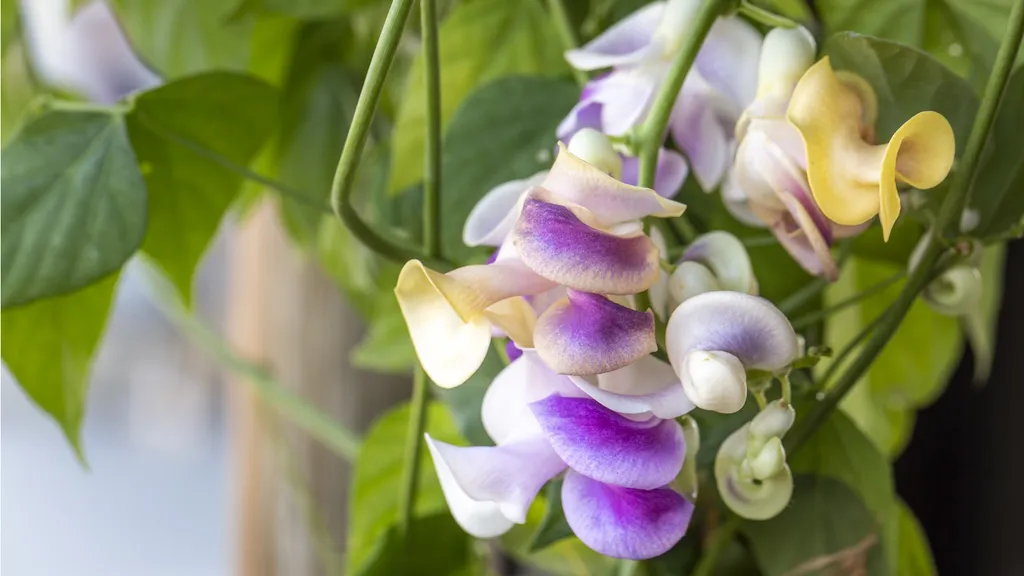
The real magic lies in the breeding. By crossing obscure genetics, breeders are creating "alchemy" in the garden. Take the 'Sugar Magnolia,' a purple-podded snap pea that took over a decade to perfect. Or the 'Green Beauty,' a snow pea that defies convention. When you let these "puffer pods" mature, they don't turn woody; they swell into a sweet, crunchy snack that rivals any store-bought chip. It’s a lesson in patience: sometimes, letting a crop go a little further yields the best results. Much like choosing the right native plant cultivars, selecting the right pea variety can change your entire garden experience.
The 'Sugar Magnolia' pea variety showcases the aesthetic potential of open-source breeding. (Credit: Gennifer Miller via Unsplash)
The Natural Approach
To keep your legume patch truly sustainable, focus on these organic pillars:
Avoid PVPs: Always check if a variety is protected by Plant Variety Protection (PVP). If it is, you cannot legally save the seeds. Stick to open-source, open-pollinated varieties.
Pollinator Support: While peas are self-fertile, their beautiful flowers are magnets for hummingbirds and bees. Plant them near your main garden beds to boost overall biodiversity.
Nutrient Density: Choose colorful varieties like purple-podded peas. They are naturally higher in anthocyanins, providing a nutritional boost that white-podded varieties lack.
The Contrarian's Corner
Most gardeners are taught to pick snow peas while they are perfectly flat. I disagree. If you are growing high-quality, open-pollinated varieties, you are missing out on the best flavor and texture by picking them too early. Let them puff up. The "puffer pod" stage is where the sugar content peaks and the texture becomes truly satisfying. Don't be afraid to let your harvest look a little "overgrown", it’s often exactly where the best eating happens.
Letting peas reach the 'puffer pod' stage maximizes both sugar content and crunch. (Credit: Rafael Hoyos Weht via Unsplash)
The Lazy Gardener's Shortcut
If you struggle with trellising, stop fighting your vines. Seek out "hypertendril" pea varieties. These plants have evolved to produce ten or more tendrils instead of the standard few, allowing them to lock onto each other and the trellis with a grip that can withstand even the fiercest spring winds. It’s the ultimate "set it and forget it" method for vertical gardening. For more low-effort success, check out these low-maintenance plant pairings.
Behind the Scenes & Transparency Log
This article draws on the specific breeding history of Peace Seedlings, founded in 2008. The varieties mentioned, 'Sugaree,' 'Sugar Magnolia,' 'Green Beauty,' 'Opal Creek,' 'Ruby Beauty,' and 'Ruby Crescent', are documented examples of non-patented, open-source breeding. My analysis focuses on the practical application of these genetics in home gardens, emphasizing the shift from commercial yield-focus to nutritional and aesthetic diversity.
Heirloom Legumes: I exclusively source from small-scale, open-source seed companies that prioritize genetic diversity.
Natural Trellising: I use simple, untreated bamboo stakes for my hypertendril peas, allowing the plants to do the heavy lifting.
Soil Testing: I keep a simple pH kit on hand to ensure my legume beds are slightly alkaline, which is where they perform best.
What Do You Think?
Are you a "flat pod" purist, or have you discovered the joy of the "puffer pod" crunch? I’d love to hear about your favorite colorful pea varieties or your experiences with open-source seed saving. I will be in the comments for the next 24 hours to answer your questions.
A 'puffer pod' is a pea variety that, when allowed to mature beyond the flat stage, swells into a sweet, crunchy snack with a texture similar to a potato chip.
Varieties protected by Plant Variety Protection (PVP) are legally restricted, meaning you cannot save the seeds for future planting. Open-source, open-pollinated varieties allow you to save your own seeds year after year.
These are pea varieties that produce ten or more tendrils, allowing them to self-support and grip trellises more effectively than standard varieties.
Active Engagement
Was this information helpful?
Join Discussions
0 Thoughts
Editorial Team • Question of the Day
"What is the one vegetable variety you grow that always surprises your neighbors?"