Why Your 'Weedy' Garden Is Actually a Secret Wildlife Sanctuary
Tobiloba OdejinmiBy Tobiloba Odejinmi
Education
May 26, 2026 • 9:43 PM
7m7 min read
Verified
Source: Pexels
The Core Insight
Author Margaret Renkl discusses her new book, 'The Weedy Garden,' co-created with artist Billy Renkl. The book challenges the traditional, manicured aesthetic of gardening, advocating for a 'wild-first' approach that prioritizes habitat creation for pollinators, birds, and amphibians. By shifting our perspective from 'eradication' to 'stewardship,' gardeners can transform even small spaces into vital ecological corridors.
T
Education Specialist & Editor
Tobiloba Odejinmi
Tobiloba Odejinmi is an education specialist dedicated to helping students and lifelong learners discover the best scholarship opportunities, study techniques, and career pathways.
The Kodawire Editorial Team consists of experienced journalists and subject matter experts dedicated to delivering accurate, well-researched, and engaging content.
The Weedy Garden: Why Your Backyard is a Critical Habitat
What You Need to Know
Stop the Spray: Pesticides destroy the amphibian and insect populations that keep your garden healthy.
Leave the Leaves: Fallen foliage provides essential winter shelter for the creatures that sustain your ecosystem.
Embrace the "Weed": Native plants like milkweed and ironweed are not nuisances; they are life-giving hosts for pollinators.
Keep the Snags: Dead trees (snags) are vital real estate for woodpeckers and other wildlife.
I’ve spent decades with my hands in the soil, and if there is one thing I’ve learned, it’s that our gardens are not just aesthetic displays for our own enjoyment. They are, first and foremost, critical habitats. When we obsess over a manicured lawn, we often inadvertently silence the vibrant, buzzing, crawling life that should be thriving right under our feet. Margaret Renkl’s latest work, The Weedy Garden: A Happy Habitat for Wild Friends, serves as a necessary reminder that we belong to the same ecosystem as our wild neighbors. If you are looking to simplify your maintenance, consider low-maintenance plant pairings that support this natural balance.
Native plants like milkweed are essential for pollinator survival. (Credit: Jon Tyson via Unsplash)
Working With the Seasons
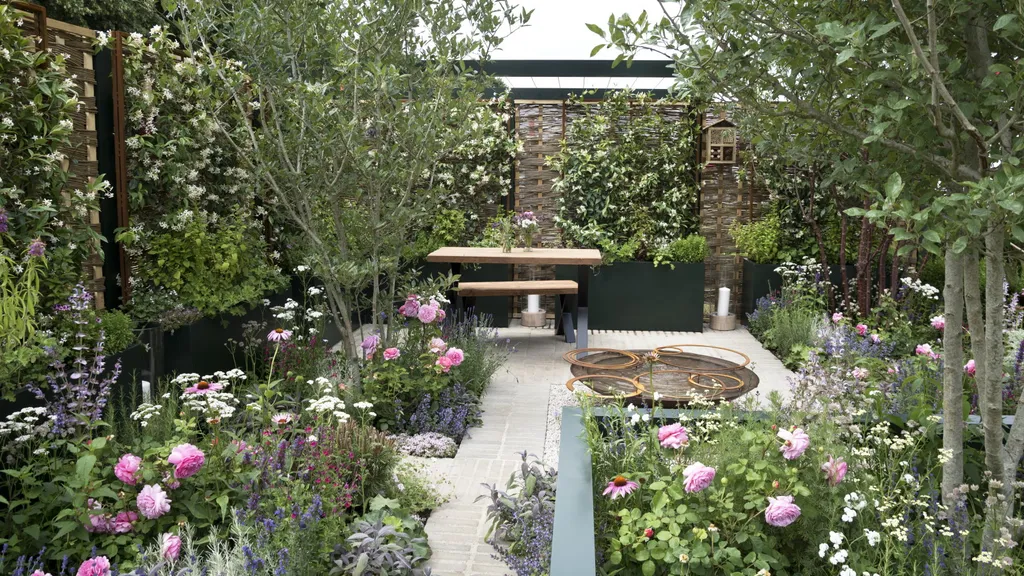
Ecological gardening is a year-round commitment. In the autumn, the most important task is to leave the leaves where they fall. This creates a protective blanket for insects and amphibians to survive the winter. In early spring, resist the urge to "clean up" too aggressively; wait until temperatures are consistently warm to ensure the creatures emerging from their winter slumber have a safe place to land. This transition period is the focus of Renkl’s upcoming project, The Leafy Blanket, which explores the nuances of winter preparation. For those managing smaller spaces, you can still create a lush cottage garden that functions as a micro-habitat.
Redefining the "Weed"
We have been conditioned to view any plant that isn't a prized perennial as an enemy. But there is a massive difference between invasive species and native "weeds." Plants like milkweed, ironweed, and butterweed are essential hosts for co-evolved species, such as the monarch butterfly. When you remove these plants, you aren't just weeding; you are removing the nursery for the next generation of pollinators. Learn more about the importance of native flora through resources from the National Wildlife Federation.
The Natural Approach
Maintaining a healthy, organic garden is simpler than the chemical industry wants you to believe.
Avoid Pesticides: These chemicals don't discriminate; they kill the beneficial predators that keep pests in check.
Prioritize Natives: Native plants require less water and fertilizer because they are already adapted to your local soil and climate.
Leave Dead Wood: A standing dead tree, or "snag," is a high-value habitat for woodpeckers and cavity-nesting birds.
Dead trees, or snags, provide critical nesting sites for birds. (Credit: Jakob Owens via Unsplash)
The Unpopular Opinion
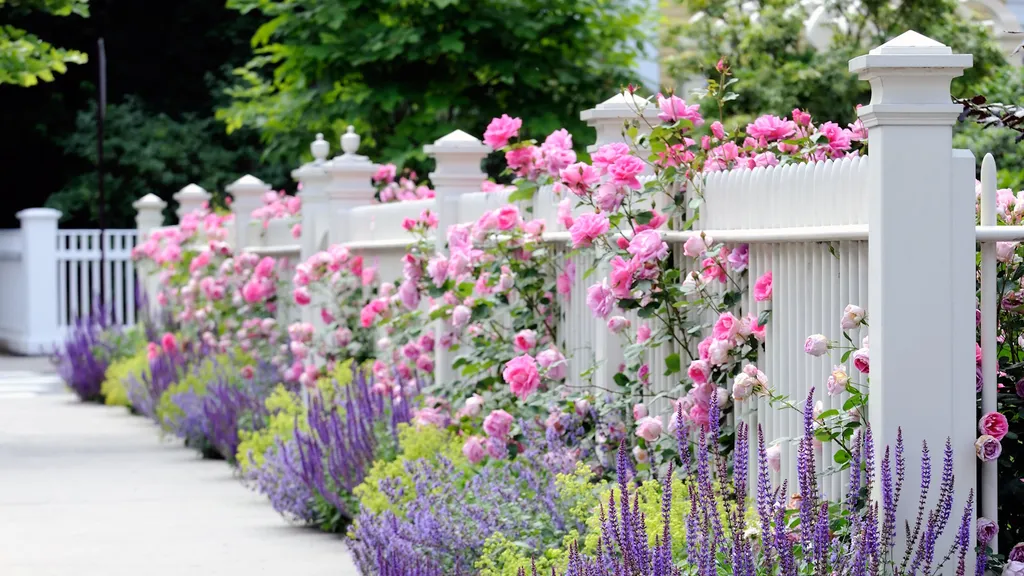
Most people think a "good" garden is one that looks tidy. I argue that a truly successful garden should look a little messy. If your garden is perfectly neat, you are likely removing the very debris, hollow stems, and leaf litter that wildlife needs to survive. A "weedy" garden is a sign of a healthy, functioning ecosystem, not a lack of effort. You can even use pro tricks to soften your garden path while keeping it wildlife-friendly.
The Lazy Gardener's Shortcut
If you only do one thing to boost your garden's biodiversity, stop raking. By simply leaving the leaves in your garden beds, you provide free, natural mulch that suppresses weeds, retains moisture, and offers a winter home for fireflies and butterflies. It is the ultimate low-effort, high-reward gardening hack. For more on sustainable practices, see the Environmental Protection Agency guidelines on composting and soil health.
Behind the Scenes
My perspective comes from years of observing the natural cycles in my own backyard. I have vetted these practices against the principles of ecological horticulture, focusing on the direct relationship between native flora and the wildlife that depends on it. I don't rely on trends; I rely on the biological reality of how plants and animals interact in a shared space. For those interested in the broader impact of local green spaces, read about why cities must start growing food.
My Recommended Setup
To observe the "night shift" in your own garden, I recommend keeping a simple headlamp with a red-light setting to avoid startling nocturnal visitors. I also keep a field journal to track the arrival of specific pollinators, which helps me understand which plants are actually doing the heavy lifting in my garden. You can also explore how to keep growing without the physical strain as your garden matures.
Is there a favorite wild creature you’re especially delighted to see feeling at home in your garden, and a plant that you think particularly appeals to them? I will be in the comments section for the next 24 hours to hear your stories and answer your questions.
Fallen leaves act as a protective blanket that provides essential winter shelter for insects, amphibians, and other creatures that sustain your garden's ecosystem.
No. Native plants like milkweed and ironweed are not nuisances; they are vital hosts for pollinators like the monarch butterfly and are adapted to your local soil and climate.
A tidy garden often removes the debris, hollow stems, and leaf litter that wildlife requires for survival. A 'weedy' or slightly messy garden indicates a healthy, functioning ecosystem.
Active Engagement
Was this information helpful?
Join Discussions
0 Thoughts
Editorial Team • Question of the Day
"What is one "weed" in your garden that you have decided to stop pulling, and why?"