Black Hole Starves: 95% Dimmer in Just 20 Years

The Core Insight
A Supermassive Black Hole Starves: 95% Brightness Drop in Just 20 Years

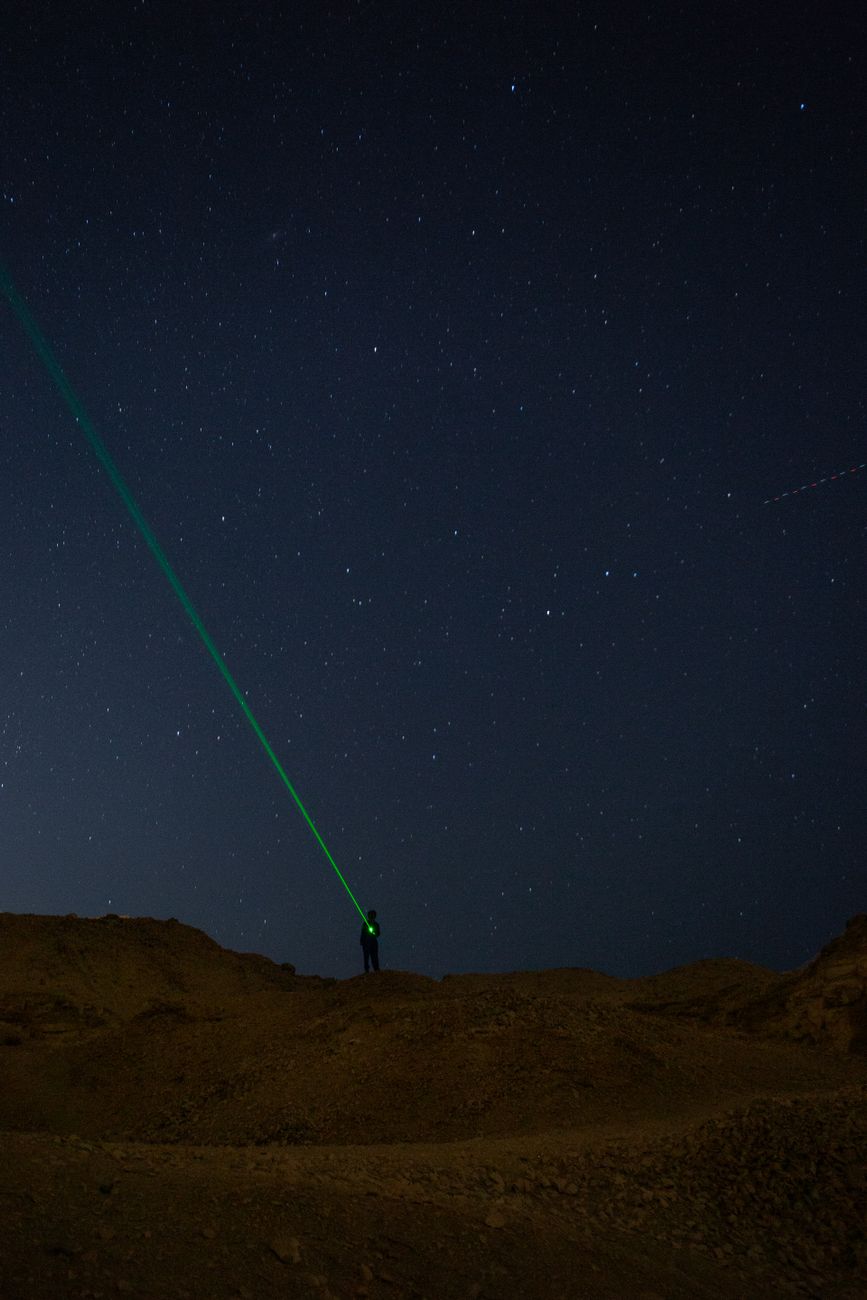
(Credit: Steve A Johnson via Pexels)
Astronomers have observed a distant galaxy’s supermassive black hole undergoing a dramatic transformation, with a sudden reduction in its gas supply leading to a 95% drop in brightness over just 20 years. Published in the Publications of the Astronomical Society of Japan (PASJ), this study presents the first evidence of such rapid “starvation” in a supermassive black hole.
The Mystery of the Fading Black Hole

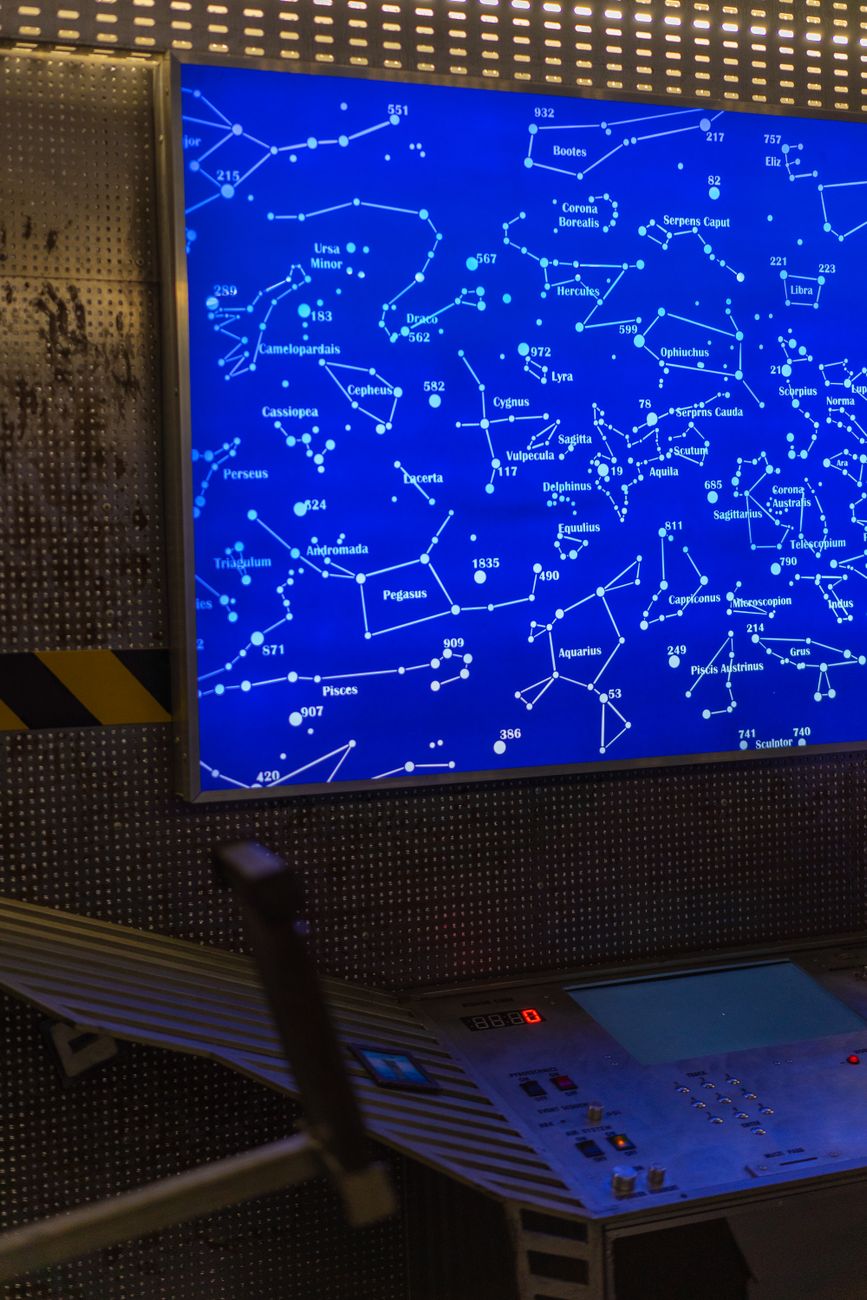
(Credit: Iceberg San via Pexels)
Supermassive black holes at the center of galaxies are typically surrounded by glowing accretion disks of gas and dust spiraling toward the event horizon, emitting light that can outshine all the stars in the galaxy. However, in galaxy J0218−0036 (redshift 1.8, about 10 billion light-years away), the black hole’s brightness plummeted by 95% over two decades due to a significant reduction in the flow of matter to its accretion disk. For more on galaxy structures, see Milky Way's 300-Light-Year 'Bone' Unveils Galaxy Secrets.
“It is fascinating that an active galactic nucleus can change its brightness so dramatically over such a short period of time, and that this fading appears to be caused by a large change in the accretion rate onto the supermassive black hole,” explained team leader Tomoki Morokuma of Chiba Institute of Technology. “Using wide-field survey data, such as those from Hyper Suprime-Cam, we hope to discover more objects like this and learn how the activity of supermassive black holes shuts down and restarts.”
The Role of Gas and the Accretion Disk
Supermassive black holes rely on a continuous supply of gas and dust to fuel their accretion disks, which heat up and emit radiation across the electromagnetic spectrum as material spirals inward. In J0218−0036, the dwindling gas supply caused the accretion disk’s brightness to decrease dramatically. Learn about advanced observation techniques in Why Astronomers Fire Lasers Skyward for Epic Universe Views.
Data from the Sloan Digital Sky Survey (SDSS) and the Hyper Suprime-Cam on the Subaru Telescope traced the fading. Archival images from 2002 (SDSS) and 2018 (HSC) pinpointed the decline. Multi-wavelength observations from X-rays to infrared revealed the gas flow to the accretion disk had been cut by an astonishing 98% over seven years.


(Credit: Pixabay via Pexels)
Unexplained Behavior: A New Test for Models
The cause of the black hole’s sudden starvation remains unclear, but astronomers ruled out a gas cloud blocking the light, as it could not explain the drop across multiple wavelengths. This rapid variability challenges standard models of black hole accretion. Similar model challenges appear in JWST's Ancient Giant Galaxy: No Spin, Milky Way x Stars? and Roman Telescope's Power to Unmask Hidden Neutron Stars.
“This object shows rapid variability that cannot be explained by standard models. It provides an important test case for developing new theoretical models,” said team member Toshihiro Kawaguchi of the University of Toyama. “We will investigate what physical conditions could reproduce the observed behavior.”
Hand picked for you by Author
First-Ever Twin Black Holes Orbiting in Mrk 501
Astronomers led by Silke Britzen have discovered the first confirmed pair of supermassive black holes orbiting each other in galaxy Markarian 501, rev...

JAXA's 2030s Hunt for Life's Origins in Ancient Comet
JAXA's Next Generation Small-Body Return (NGSR) mission targets low-activity comet 289P/Blanpain in the 2030s to collect untouched samples revealing e...

2026 Solar Eclipse: 157 Years Until It Repeats?
A total solar eclipse on August 12, 2026, will cross the Arctic, Greenland, Iceland, and northern Spain, with max totality of 2m18s in the North Atlan...
LHC's Stunning Glimpse Into Big Bang's Chaos
ALICE team at LHC observed quark-gluon plasma signatures in proton-proton and proton-lead collisions for the first time, revealing anisotropic flow pa...

JWST's Stingray Galaxy Unlocks Little Red Dots Secret
NASA's James Webb Space Telescope has spotted a 'stingray' galaxy blending traits of little red dots (LRDs) and compact active galactic nuclei (AGN), ...
You Might Also Like




Elijah Tobs
A seasoned content architect and digital strategist specializing in deep-dive technical journalism and high-fidelity insights. With over a decade of experience across global finance, technology, and pedagogy, Elijah Tobs focuses on distilling complex narratives into verified, actionable intelligence.
Learn More About Elijah Tobs