Twisted Superionic Matter Lurking in Uranus & Neptune?
The Core Insight
Spiral Superionic Carbon Hydride: A Strange New State of Matter Inside Uranus and Neptune
(Credit: Zelch Csaba via Pexels)
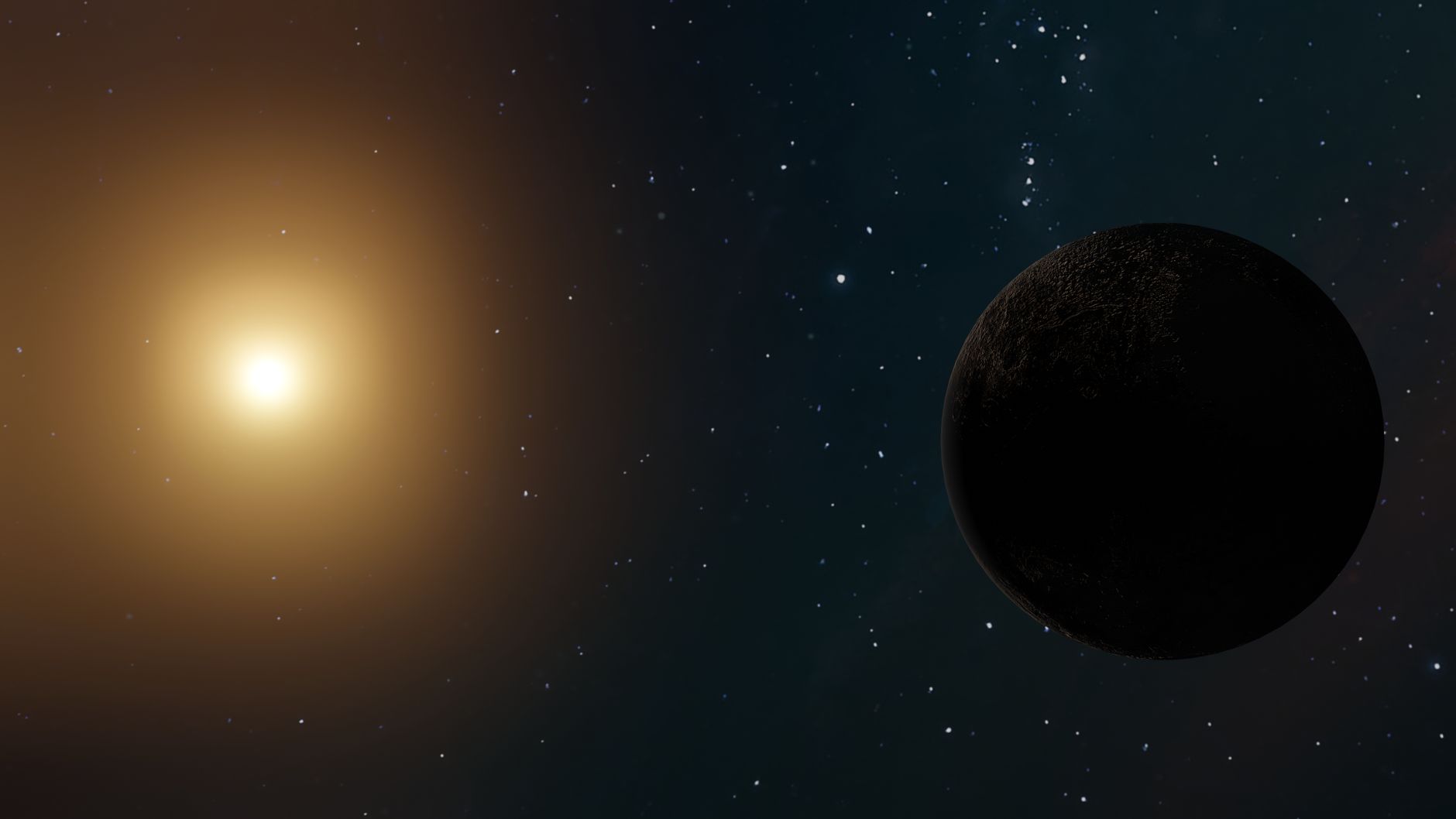
Something unusual may be happening to matter deep inside Uranus and Neptune. New simulations suggest that carbon hydride (CH) could form a strange superionic state under extreme conditions.
Interest in planetary interiors has grown as more than 6,000 exoplanets have been discovered. Researchers are trying to understand how planets form and evolve by combining observations, experiments, and simulations, especially regarding magnetic field generation, as seen in studies like those from the JWST.
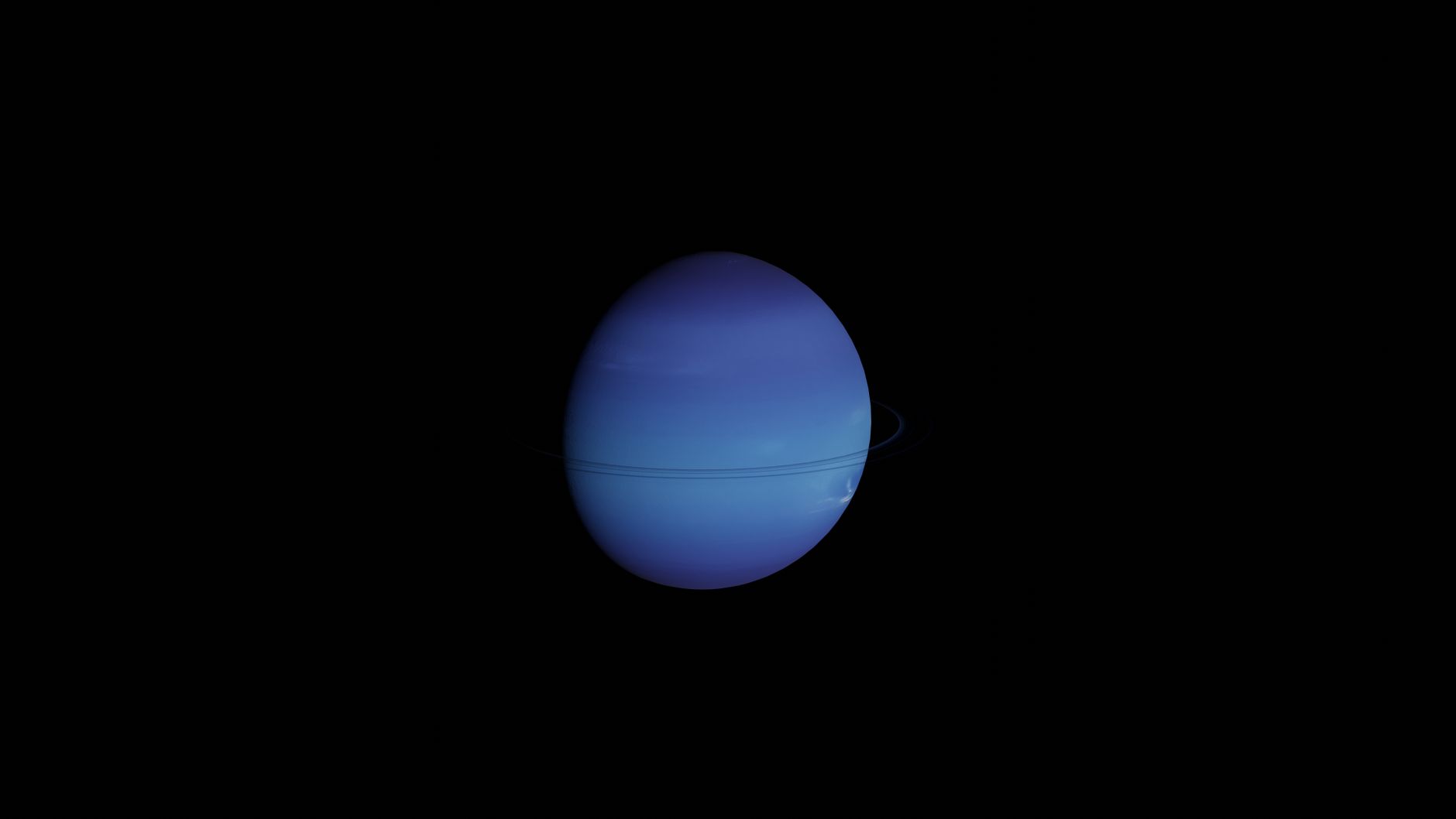
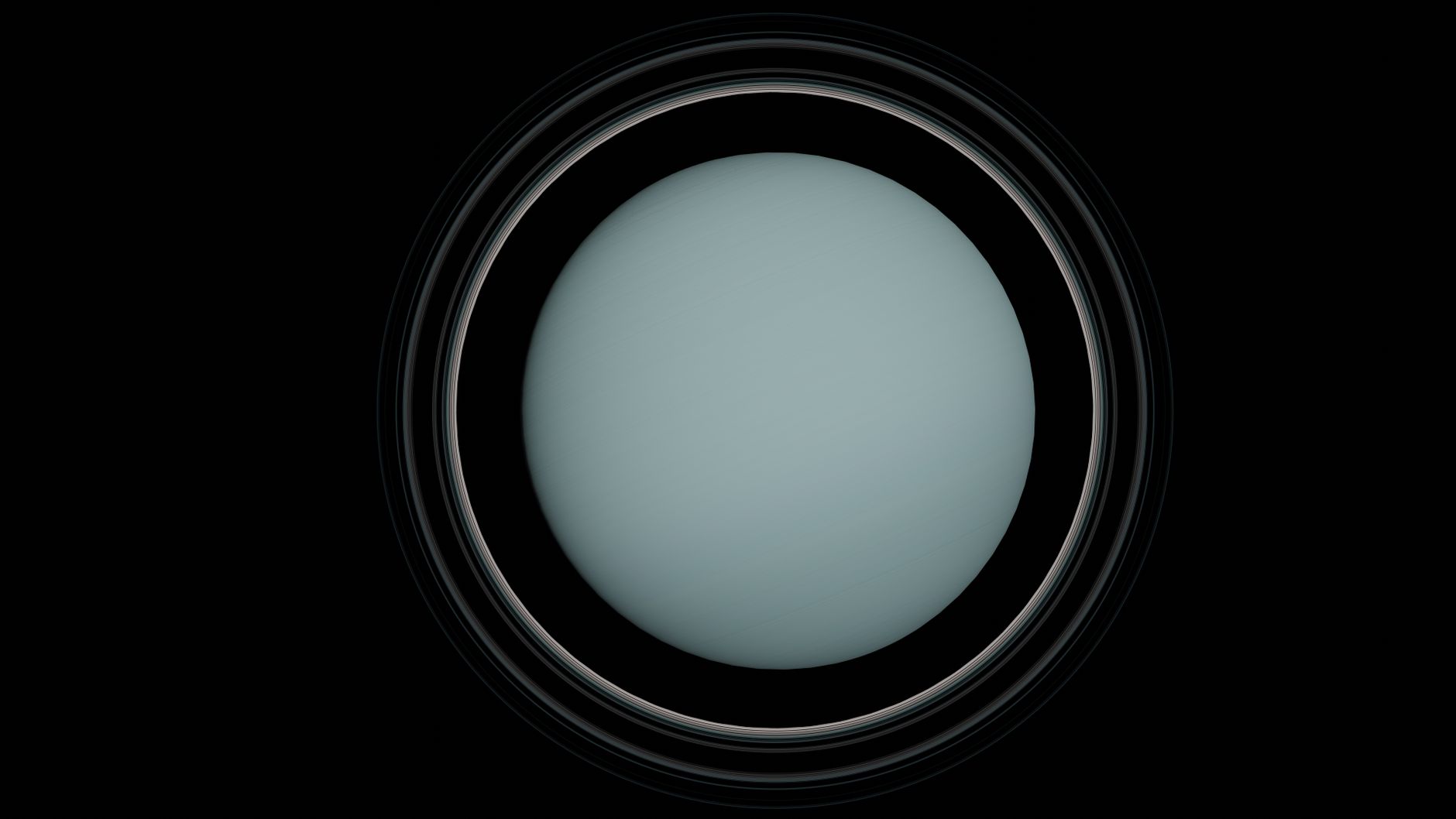
Uranus and Neptune contain layers of “hot ices” beneath their outer atmospheres, made of water, methane, and ammonia. Under extreme pressure and heat, these compounds behave in unfamiliar ways.
Simulating Extreme Conditions Inside Ice Giants

(Credit: Maël BALLAND via Pexels)
Cong Liu and Ronald Cohen conducted detailed quantum simulations using high-performance computing and machine learning. Their study, published in Nature Communications, tested pressures between 500 and 3,000 gigapascals and temperatures from 4,000 to 6,000 Kelvin.
They focused on carbon hydride (CH), a simple mix of carbon and hydrogen commonly found in planetary interiors. Under these conditions, the material exhibited behaviors not seen on Earth.

A Spiral Superionic State
The simulations revealed a quasi-one-dimensional superionic state. In this phase, carbon atoms form a stable framework, while hydrogen atoms move through it along spiral, helical paths.
“This newly predicted carbon-hydrogen phase is particularly striking because the atomic motion is not fully three-dimensional. Instead, hydrogen moves preferentially along well-defined helical pathways embedded within an ordered carbon structure.”
Ronald Cohen
Superionic states behave partly like solids and partly like liquids. Here, hydrogen motion is directional and controlled.


(Credit: Dmitry Voronov via Pexels)
Implications for Planetary Magnetic Fields
This movement could influence how heat and electricity are transported, which is linked to magnetic field generation, much like advanced space telescope observations of cosmic phenomena.
Uranus and Neptune have unusually shaped magnetic fields. A layer with this directional behavior could help explain them. Such insights align with ongoing missions like the ESA Space Rider.
“Carbon and hydrogen are among the most abundant elements in planetary materials, yet their combined behavior at giant-planet conditions remains far from fully understood.”
Cong Liu
These findings demonstrate that even simple elements can behave unexpectedly under extreme conditions.
Hand picked for you by Author
First-Ever Twin Black Holes Orbiting in Mrk 501
Astronomers led by Silke Britzen have discovered the first confirmed pair of supermassive black holes orbiting each other in galaxy Markarian 501, rev...
JAXA's 2030s Hunt for Life's Origins in Ancient Comet
JAXA's Next Generation Small-Body Return (NGSR) mission targets low-activity comet 289P/Blanpain in the 2030s to collect untouched samples revealing e...

2026 Solar Eclipse: 157 Years Until It Repeats?
A total solar eclipse on August 12, 2026, will cross the Arctic, Greenland, Iceland, and northern Spain, with max totality of 2m18s in the North Atlan...
LHC's Stunning Glimpse Into Big Bang's Chaos
ALICE team at LHC observed quark-gluon plasma signatures in proton-proton and proton-lead collisions for the first time, revealing anisotropic flow pa...

Black Hole Starves: 95% Dimmer in Just 20 Years
Astronomers observed galaxy J0218−0036's supermassive black hole fade 95% in brightness over 20 years due to a sudden 98% gas supply cut in just seven...
You Might Also Like



Elijah Tobs
A seasoned content architect and digital strategist specializing in deep-dive technical journalism and high-fidelity insights. With over a decade of experience across global finance, technology, and pedagogy, Elijah Tobs focuses on distilling complex narratives into verified, actionable intelligence.
Learn More About Elijah Tobs