JAXA's 2030s Hunt for Life's Origins in Ancient Comet
The Core Insight
JAXA’s NGSR Mission Targets Pristine Samples from Comet 289P/Blanpain

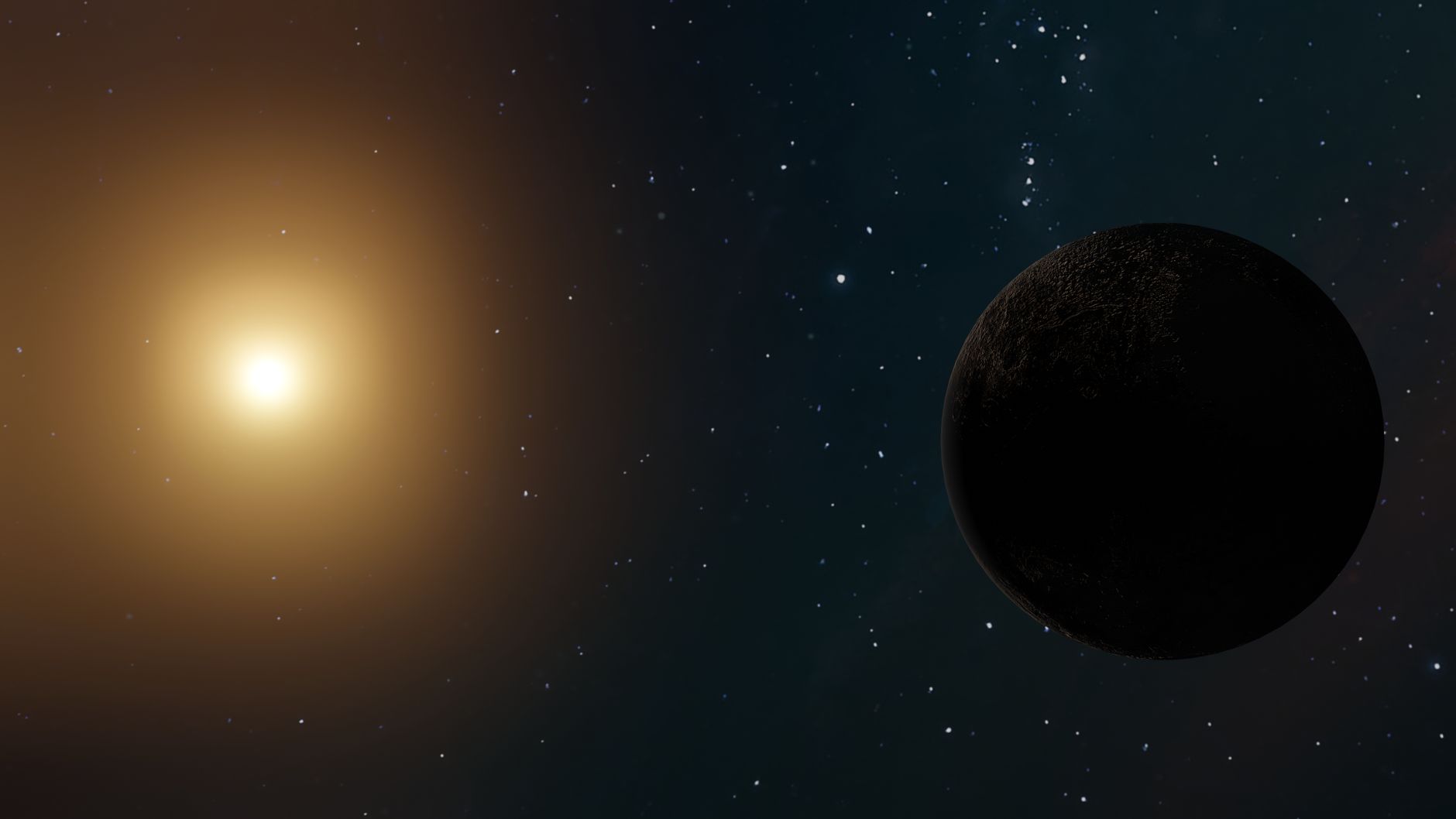
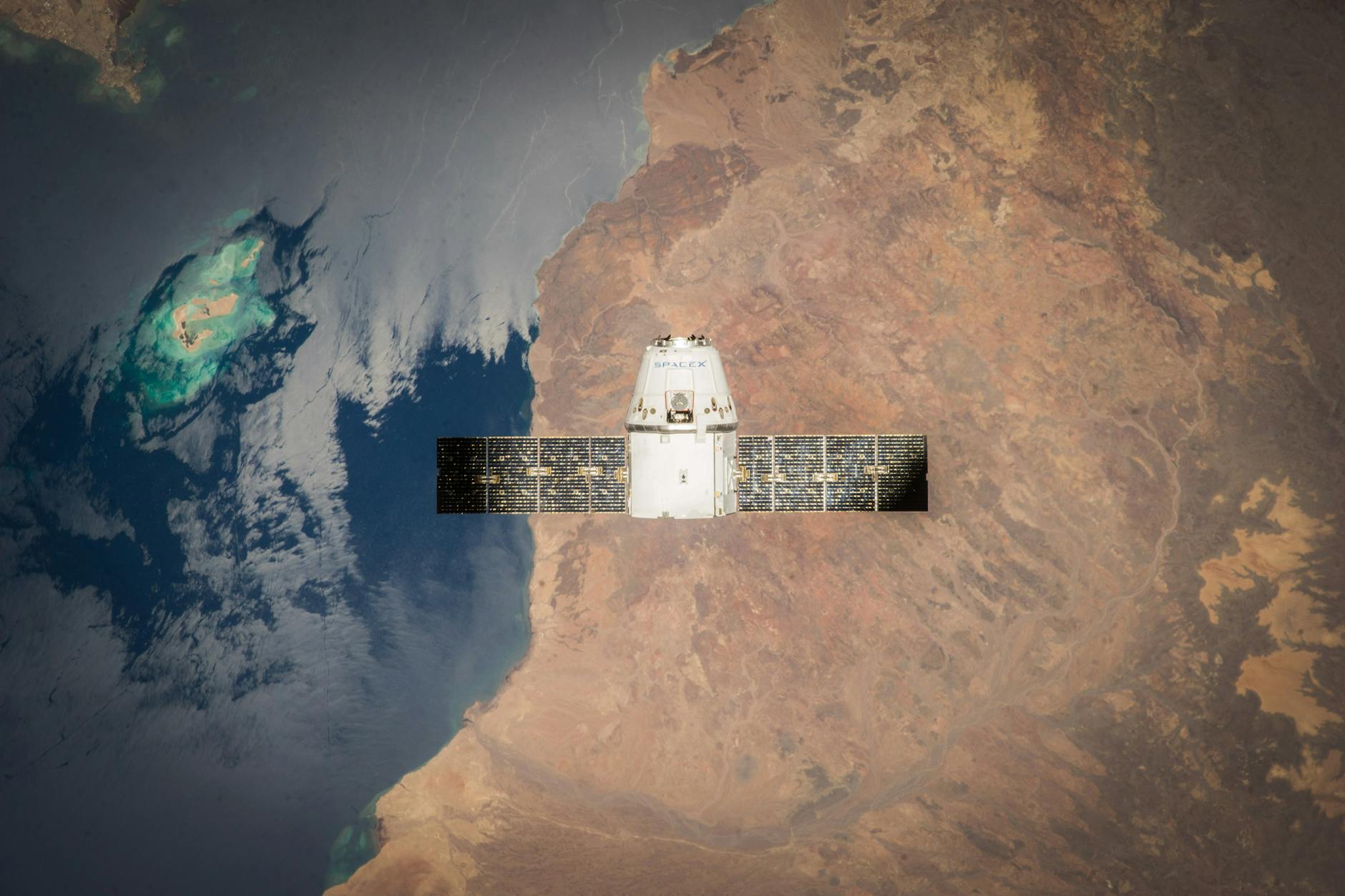
(Credit: Scott Lord via Pexels)
Japan’s space agency JAXA aims to collect pristine samples from comet 289P/Blanpain, potentially unlocking secrets about the early solar system and the origins of life. This groundbreaking effort, known as the Next Generation Small-Body Return (NGSR) mission, promises to bring back untouched material that could reshape our understanding of space.
The Target: Comet 289P/Blanpain
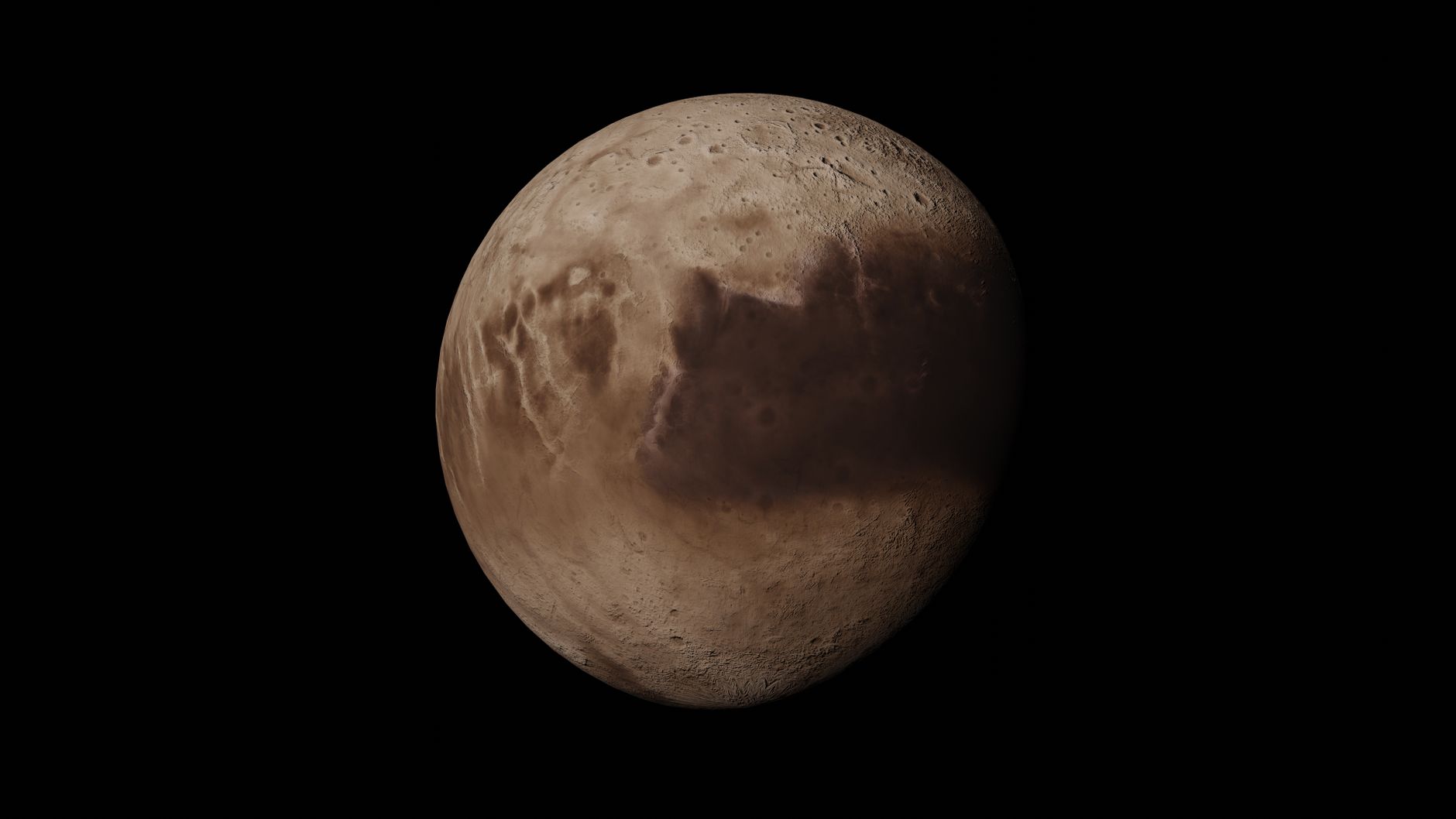
(Credit: Scott Lord via Pexels)
JAXA’s primary target for the NGSR mission is comet 289P/Blanpain, an intriguing celestial body with a fascinating history. First discovered in 1819, the comet was lost to astronomers for nearly two centuries, only to be rediscovered in 2003. Initially misidentified as a near-Earth asteroid, its true nature as a comet was confirmed after a surprising outburst of activity in 2013. Despite its relatively small size, with an estimated radius of just 160 meters, 289P/Blanpain holds special significance for JAXA’s mission.
One of the comet’s most notable characteristics is its low activity. While many comets exhibit dramatic outgassing and violent eruptions as they approach the Sun, 289P/Blanpain remains comparatively inactive. This relative calm makes it an ideal candidate for close-up exploration and sample collection, as it poses fewer risks to the spacecraft and the integrity of the samples it aims to return.
What JAXA Hopes to Discover: The Building Blocks of Life

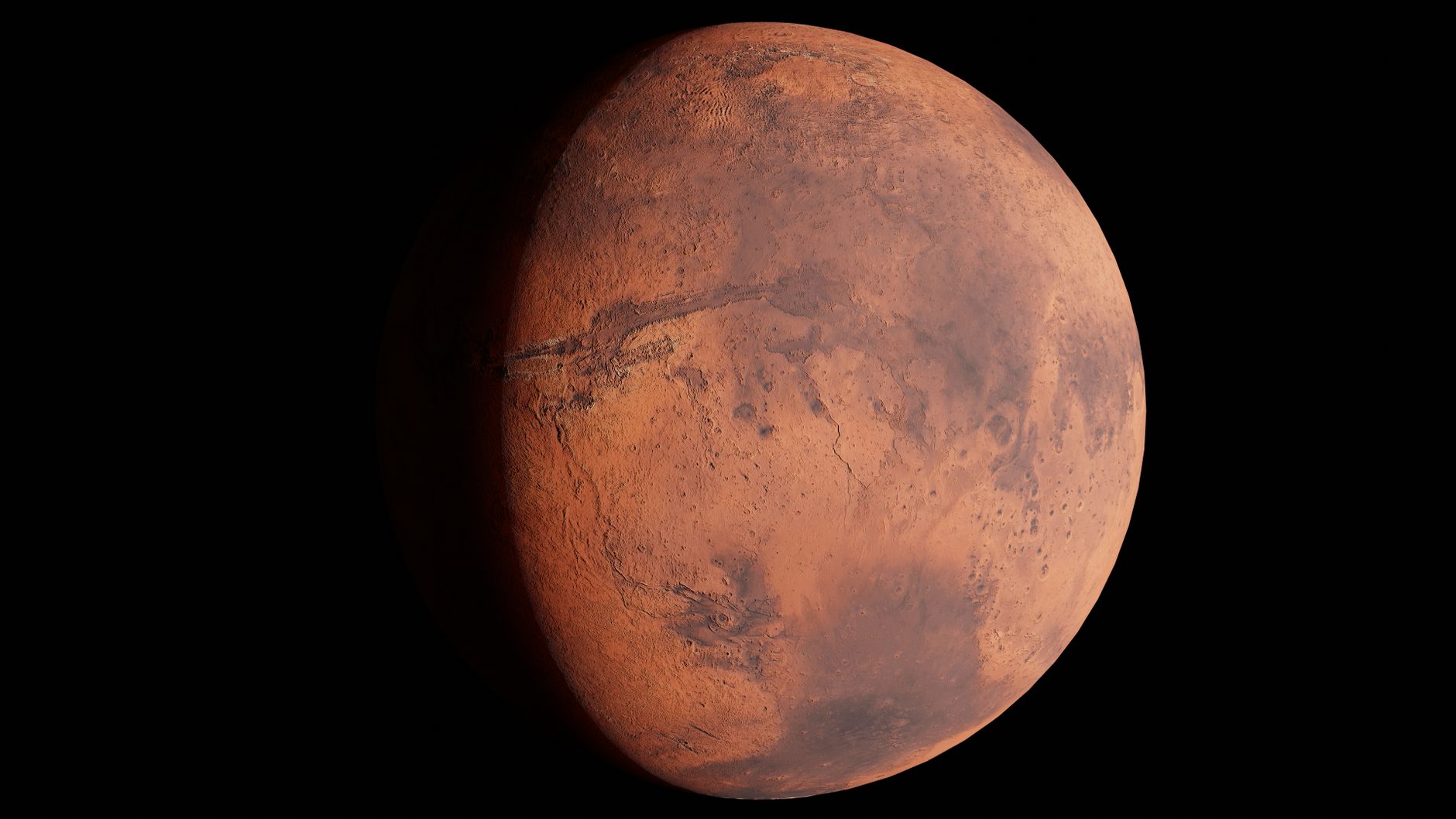
(Credit: Google DeepMind via Pexels)
JAXA’s mission is about more than just collecting space dust; it’s a critical step in answering one of the greatest mysteries of science: How did life begin? The NGSR mission aims to retrieve and study materials that could hold clues about the origins of life on Earth. Scientists believe that certain carbon-rich meteorites contain organic molecules like amino acids, the building blocks of life. If JAXA can uncover similar molecules in the untouched ice and dust beneath the surface of the comet, it would provide a direct link between the stars and the genesis of life on Earth. For deeper context on early life chemistry, see why early life favored scarce molybdenum.
JAXA’s NGSR mission also aims to solve long-standing questions about how planets formed. While asteroids have provided valuable data, they have been altered by time and impacts. Comets, however, are seen as “pristine” objects that have remained largely unchanged. By analyzing their composition and structure, scientists hope to uncover new insights into how small dust grains from the early solar system coalesced to form planets and larger bodies.
Source: Universe Today.
The Technological Challenges Ahead

(Credit: Shotkit via Pexels)
Retrieving comet samples is not an easy task, and JAXA’s NGSR mission will push the boundaries of current space technology. One of the main hurdles is the delicate nature of cometary material. Unlike asteroids, which have a solid surface, comets are often covered in a thin layer of ice and dust that can be easily disturbed. To prevent contamination, JAXA’s spacecraft will employ a unique set of tools to collect samples without disturbing them too much. Techniques build on successes like Hayabusa2 at small bodies.
The spacecraft will include a Deep Space Orbital Transfer Vehicle (DSOTV) to handle the journey from Earth to the comet, and a lander equipped with advanced instruments like optical navigation cameras, laser altimeters, and thermal infrared cameras. After performing initial surveys of the comet’s surface, the spacecraft will deploy a Small Carry-on Impactor (SCI) to blast a crater into the comet, exposing fresh, untouched material. This process, similar to the one used in the Hayabusa2 mission, will allow scientists to collect samples that have never been exposed to the harsh conditions of space. See JAXA's official mission tech overview.
However, this process comes with significant risks. The volatile nature of cometary material, rich in organic compounds, means that some samples could evaporate or degrade before they reach Earth. To counter this, the lander will be equipped with a multi-turn mass spectrometer to analyze the material in-situ, while also using advanced freeze-drying techniques to preserve the samples for their long journey back.
The Bigger Picture: Why It Matters
The NGSR mission is more than just a space exploration project; it represents a new frontier in our understanding of the universe. By studying the materials returned from comet 289P/Blanpain, scientists hope to learn not only about the origins of our solar system but also about the broader cosmos. Comets are believed to contain traces of the interstellar dust and gas from the formation of the Sun and its planets, providing a snapshot of the conditions that existed before our solar system even began to take shape. This aligns with insights from planet formation models and exoplanet habitability searches.
Moreover, the discovery of organic molecules in cometary samples could have far-reaching implications for the search for life beyond Earth. If life’s essential building blocks were delivered to Earth by comets, it could mean that life elsewhere in the universe may have had similar origins. The NGSR mission is a key piece of the puzzle in understanding not only how life began on Earth but also how it might arise on other planets across the galaxy.
As JAXA prepares for this ambitious mission, it could very well mark a turning point in our understanding of space and life itself, further solidifying Japan’s reputation as a leader in small-body science. Learn more from NASA's comet science resources.
Hand picked for you by Author

First-Ever Twin Black Holes Orbiting in Mrk 501
Astronomers led by Silke Britzen have discovered the first confirmed pair of supermassive black holes orbiting each other in galaxy Markarian 501, rev...

2026 Solar Eclipse: 157 Years Until It Repeats?
A total solar eclipse on August 12, 2026, will cross the Arctic, Greenland, Iceland, and northern Spain, with max totality of 2m18s in the North Atlan...
LHC's Stunning Glimpse Into Big Bang's Chaos
ALICE team at LHC observed quark-gluon plasma signatures in proton-proton and proton-lead collisions for the first time, revealing anisotropic flow pa...

Black Hole Starves: 95% Dimmer in Just 20 Years
Astronomers observed galaxy J0218−0036's supermassive black hole fade 95% in brightness over 20 years due to a sudden 98% gas supply cut in just seven...

JWST's Stingray Galaxy Unlocks Little Red Dots Secret
NASA's James Webb Space Telescope has spotted a 'stingray' galaxy blending traits of little red dots (LRDs) and compact active galactic nuclei (AGN), ...
You Might Also Like





Elijah Tobs
A seasoned content architect and digital strategist specializing in deep-dive technical journalism and high-fidelity insights. With over a decade of experience across global finance, technology, and pedagogy, Elijah Tobs focuses on distilling complex narratives into verified, actionable intelligence.
Learn More About Elijah Tobs