Canada's POET: Earth Twins on Ultracool Dwarfs?
The Core Insight
Canadian-Led POET Mission Targets Earth-Sized Exoplanets Around Ultracool Dwarfs

(Credit: Zelch Csaba via Pexels)
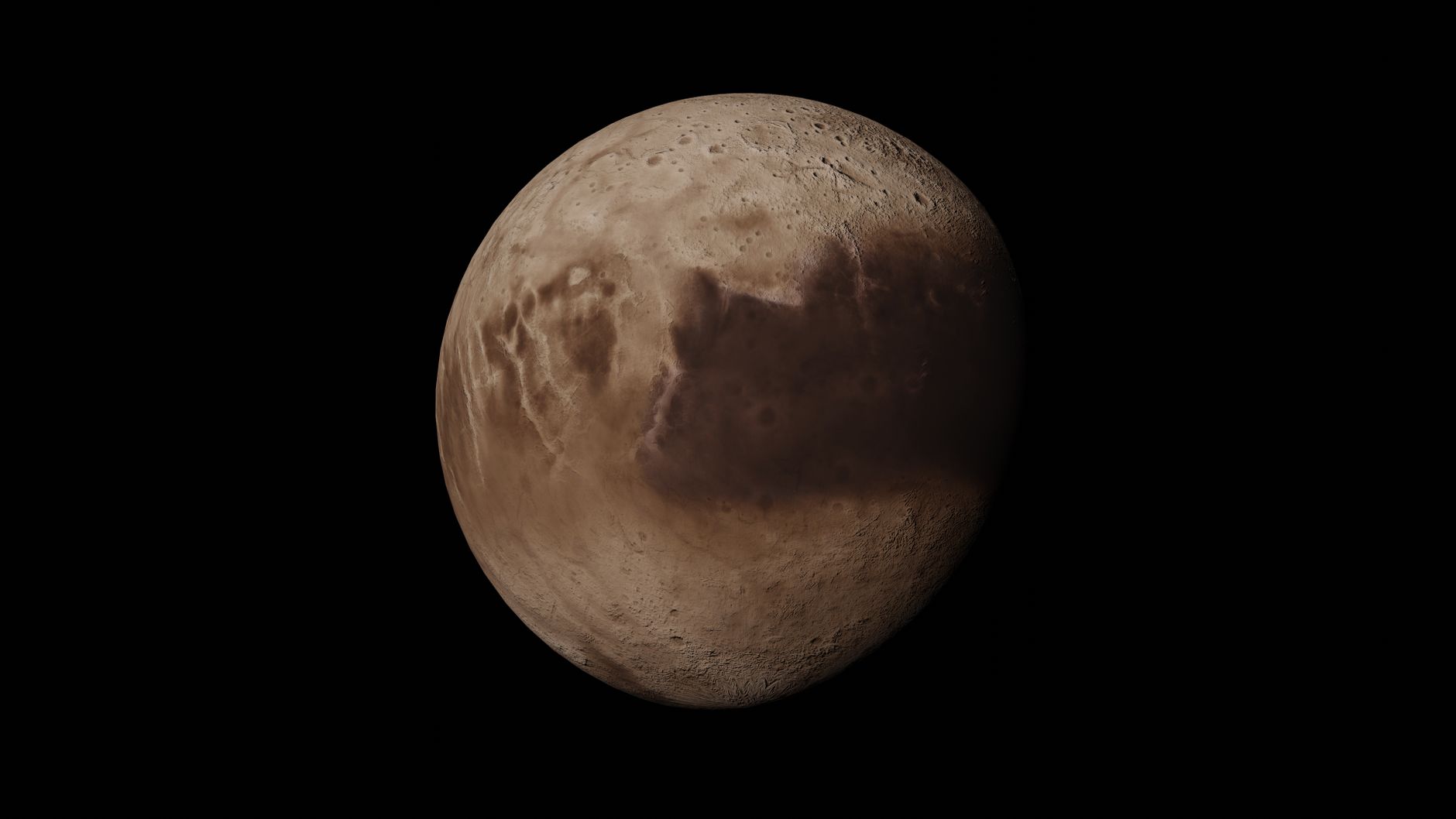
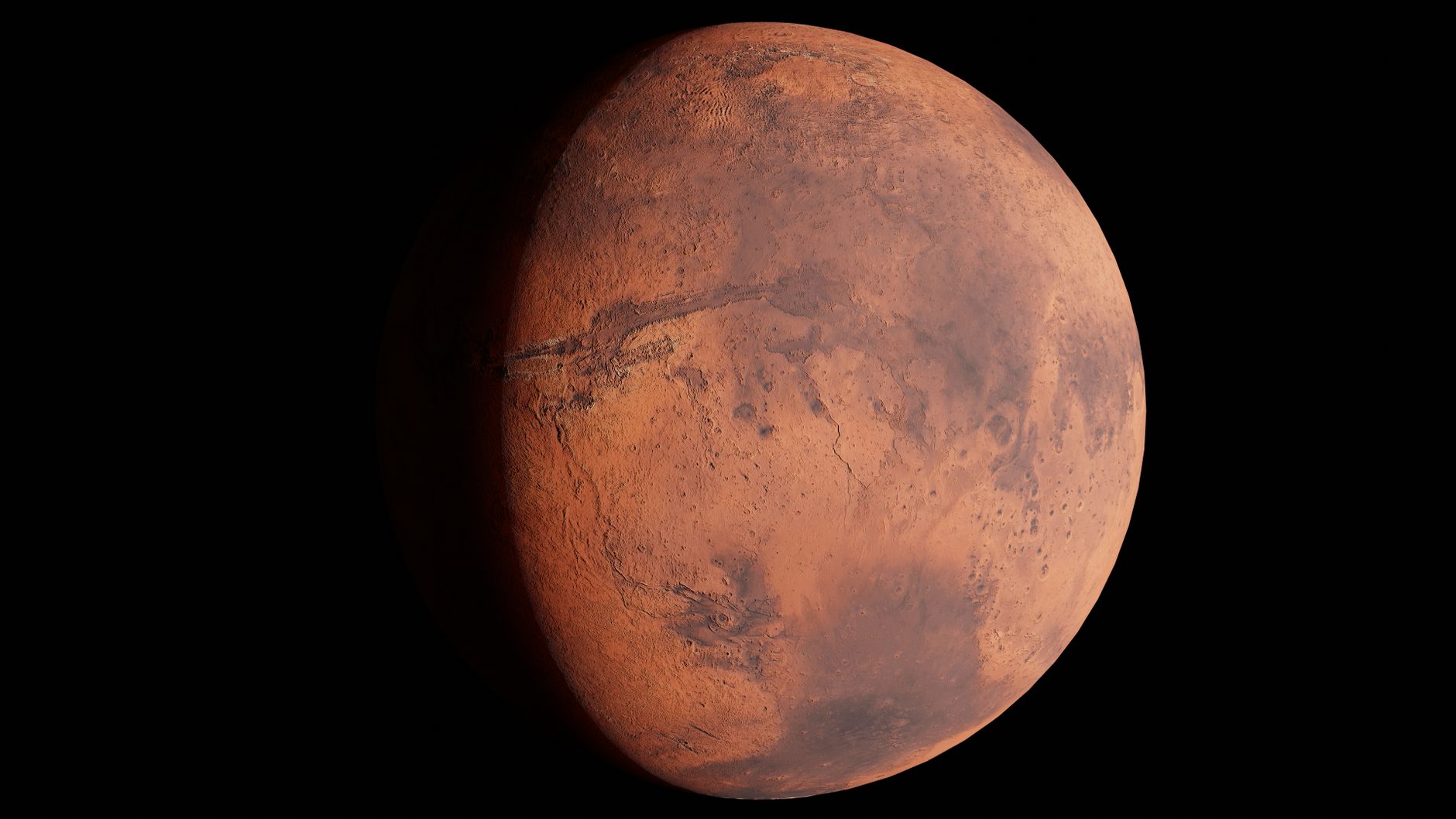
A new Canadian-led mission proposal, detailed in a recent ArXiv study, could redefine the search for habitable planets by focusing on ultracool dwarf stars. The POET (Photometric Observations of Exoplanet Transits) mission aims to detect Earth-sized exoplanets orbiting these small, dim stars, providing a new pathway in the hunt for extraterrestrial life.
Focusing on Ultracool Dwarfs for Easier Detections

(Credit: 晓鸟 蓝 via Pexels)
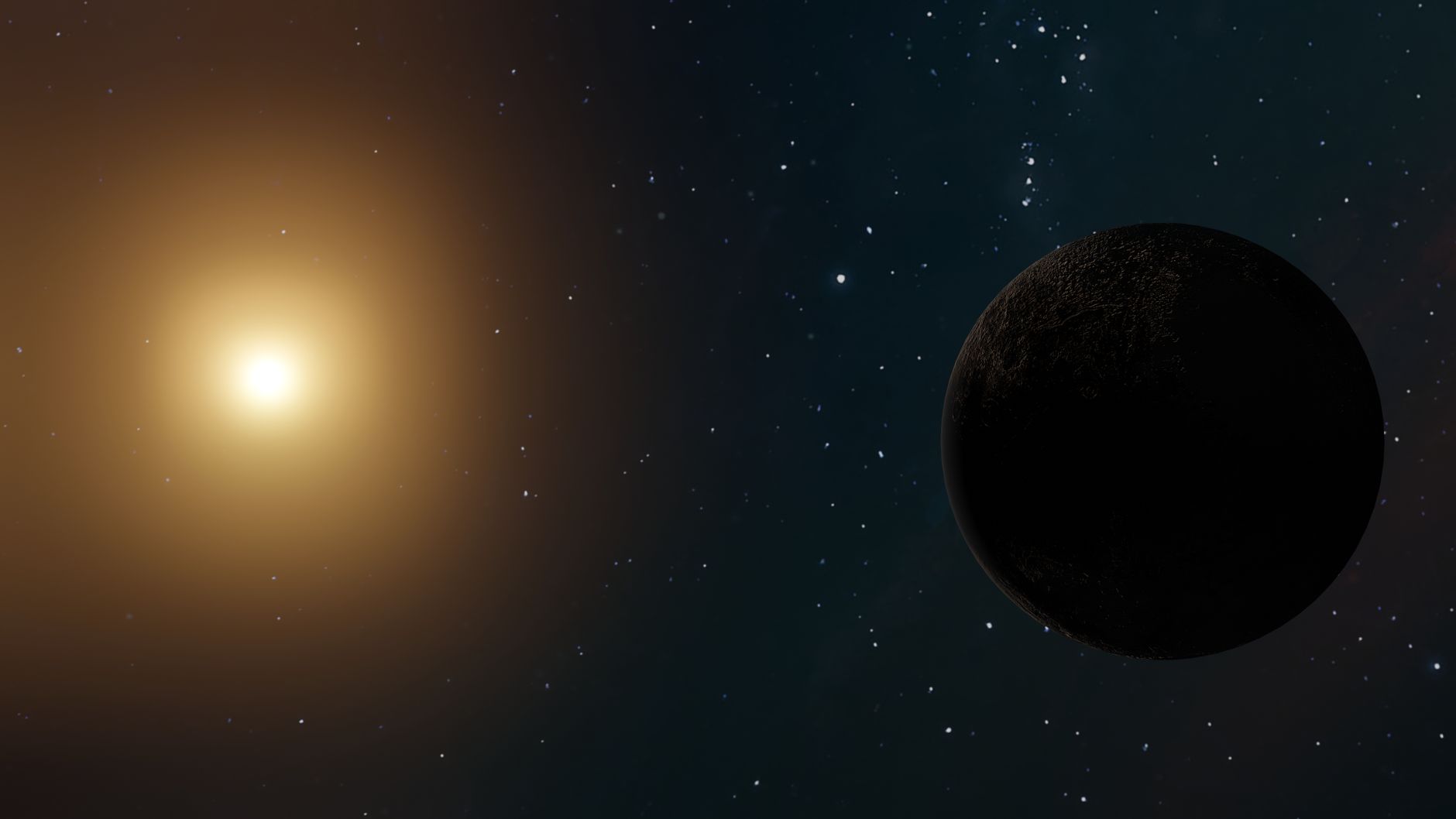
POET targets ultracool dwarfs, including K-type, M-type, and brown dwarfs (NASA overview), which are about 10% the diameter of the Sun. This smaller size amplifies the brightness dip during a planetary transit, making it easier to detect planets 1 to 2.5 times Earth's radius, many in habitable zones where liquid water could exist. For context on early life detection challenges, see why early life picked scarce molybdenum.
Simulations refined an initial catalog of over 7,200 candidate stars to about 3,000 viable targets within 100 parsecs (326 light-years). A prioritized list of 100 to 300 stars would support a one-year observation campaign.
Building on Canada's Microsatellite Legacy

(Credit: Erik Mclean via Pexels)
As reported by Universe Today, POET builds on Canadian missions like MOST (University of Toronto) (launched 2003), which studied exoplanets including the low reflectivity of a hot Jupiter around HD 209458, and NEOSSat (CSA) (launched 2013), which tracked near-Earth objects and orbital debris. Related orbital tech advances in Russian satellites' close approaches.
POET features a 20-centimeter aperture and observes in near-ultraviolet, visible, near-infrared, and short-wave infrared wavelengths, enabling greater precision for detecting small, Earth-like planets. See upcoming capabilities in Roman Telescope's power.
Enabling Atmospheric Studies and Biosignature Searches

(Credit: Sam Mgrdichian via Pexels)
Earth-sized planets around nearby ultracool dwarfs would offer frequent transits due to short orbital periods (<7 days), placing them in habitable zones. These would become top targets for atmospheric characterization and biosignature searches with the James Webb Space Telescope (recent JWST findings) or the future Habitable Worlds Observatory.
“Newly-discovered Earth-sized planets around the nearest ultracool dwarfs would be excellent targets for atmospheric characterization. With orbital periods <7 days, these are likely to be in the habitable zones of their ultracool host stars. They would automatically become top-priority targets for biosignature gas searches with the Webb Space Telescope, or with the Habitable World Observatory further in the future. Hence, POET could deliver some of the most promising Earth analogues for the search for extrasolar life.” ArXiv Study
The Potential of Ultracool Dwarfs in the Search for Life
Ultracool dwarfs have been overlooked due to their faintness, but their close-in habitable zones increase transit detectability. POET could identify nearby Earth-like worlds, paving the way for detailed atmospheric analysis and the detection of potential signs of life. Explore related missions like ESA Space Rider.
Hand picked for you by Author

First-Ever Twin Black Holes Orbiting in Mrk 501
Astronomers led by Silke Britzen have discovered the first confirmed pair of supermassive black holes orbiting each other in galaxy Markarian 501, rev...

JAXA's 2030s Hunt for Life's Origins in Ancient Comet
JAXA's Next Generation Small-Body Return (NGSR) mission targets low-activity comet 289P/Blanpain in the 2030s to collect untouched samples revealing e...

2026 Solar Eclipse: 157 Years Until It Repeats?
A total solar eclipse on August 12, 2026, will cross the Arctic, Greenland, Iceland, and northern Spain, with max totality of 2m18s in the North Atlan...

LHC's Stunning Glimpse Into Big Bang's Chaos
ALICE team at LHC observed quark-gluon plasma signatures in proton-proton and proton-lead collisions for the first time, revealing anisotropic flow pa...

Black Hole Starves: 95% Dimmer in Just 20 Years
Astronomers observed galaxy J0218−0036's supermassive black hole fade 95% in brightness over 20 years due to a sudden 98% gas supply cut in just seven...
You Might Also Like



Elijah Tobs
A seasoned content architect and digital strategist specializing in deep-dive technical journalism and high-fidelity insights. With over a decade of experience across global finance, technology, and pedagogy, Elijah Tobs focuses on distilling complex narratives into verified, actionable intelligence.
Learn More About Elijah Tobs