Phobos' Explosive End: Far Sooner Than Predicted
The Core Insight
Phobos: Mars' Moon Could Break Apart in Violent Eruptions Long Before Roche Limit
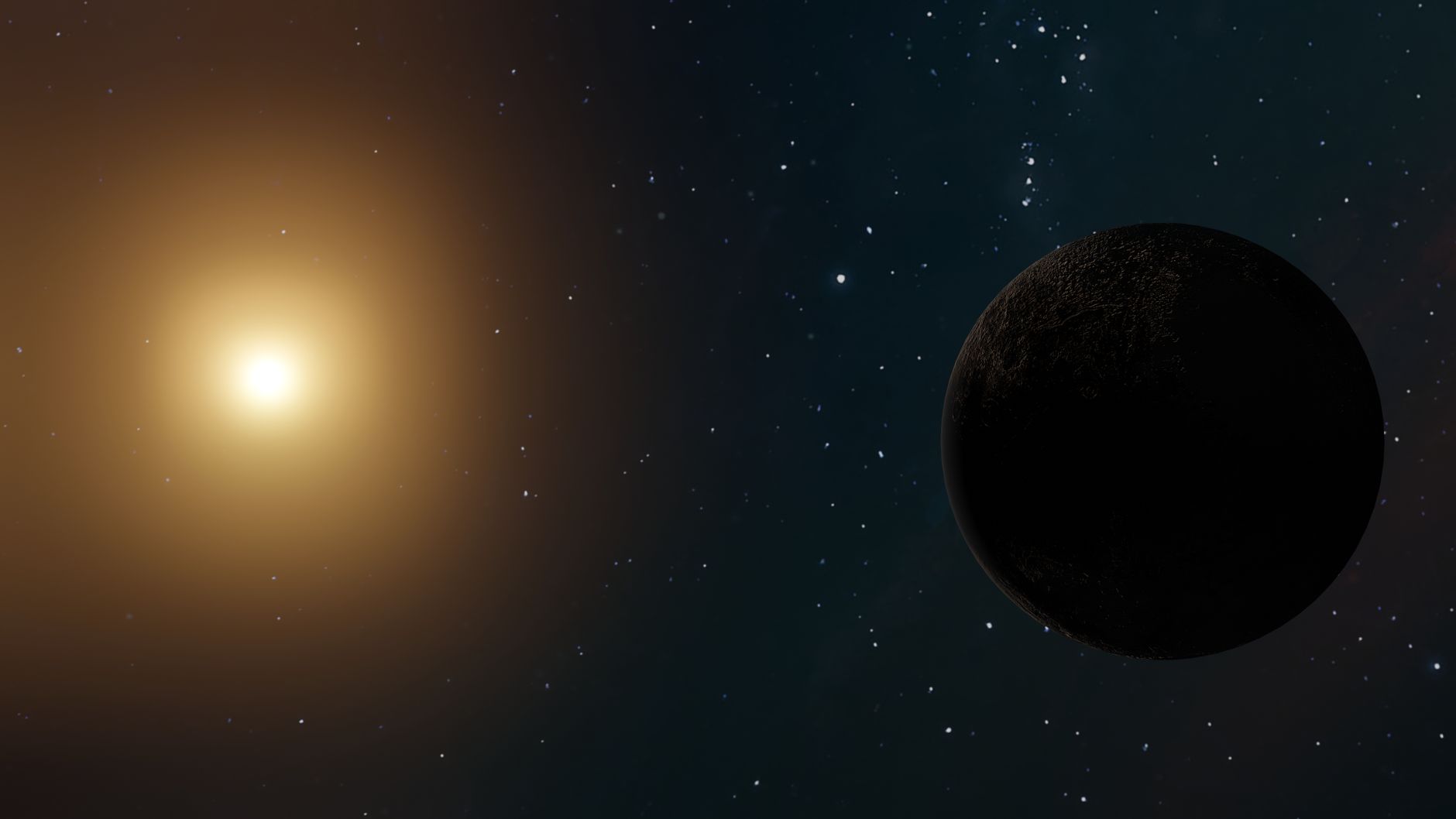
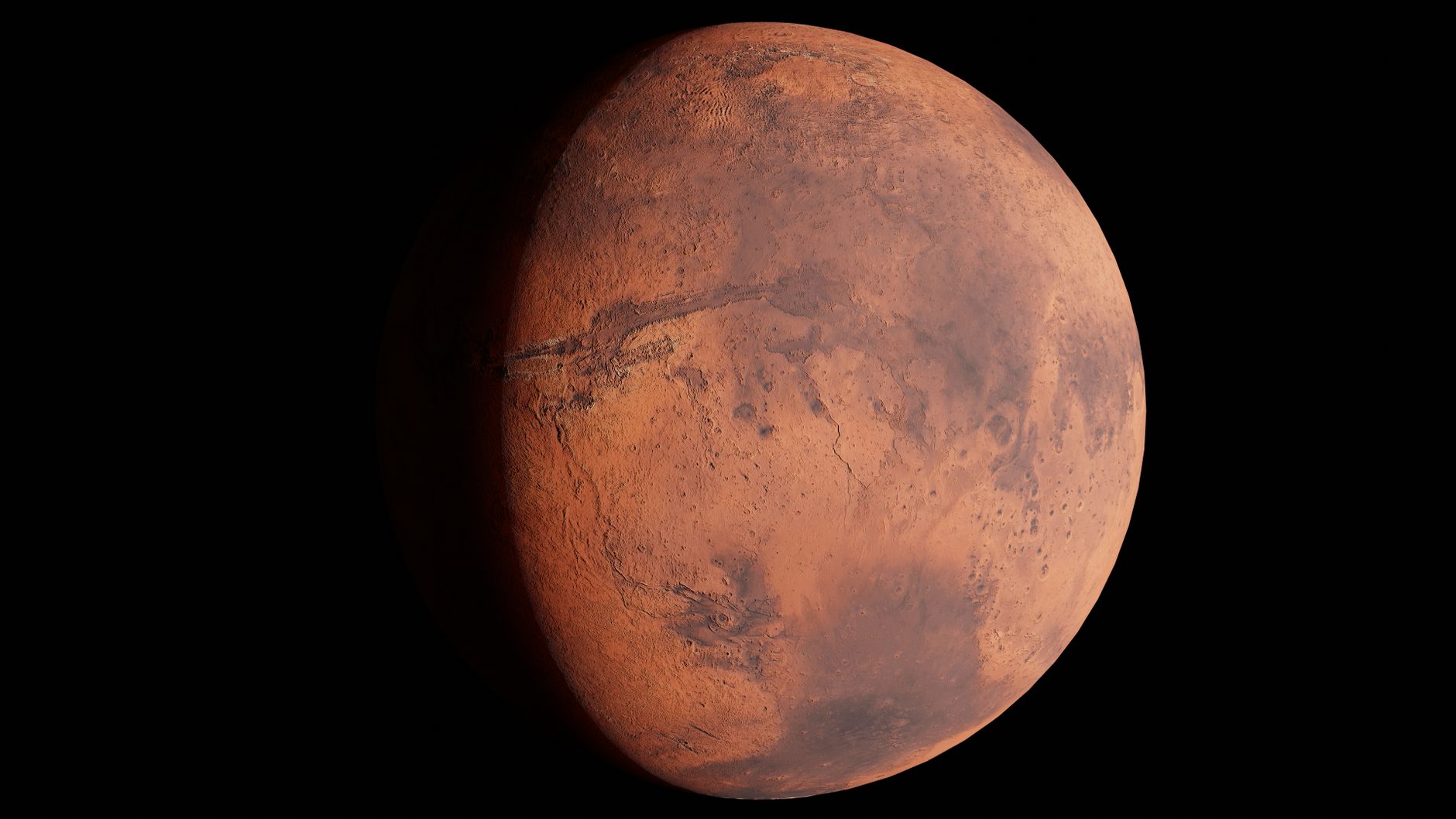
Mars’s moon Phobos, once thought to face a slow and steady demise due to tidal forces, could actually break apart much sooner and in a far more dramatic way. New research suggests that its destruction might involve violent eruptions of material, obliterating the moon long before it reaches the Roche limit.
(Credit: Zelch Csaba via Pexels)
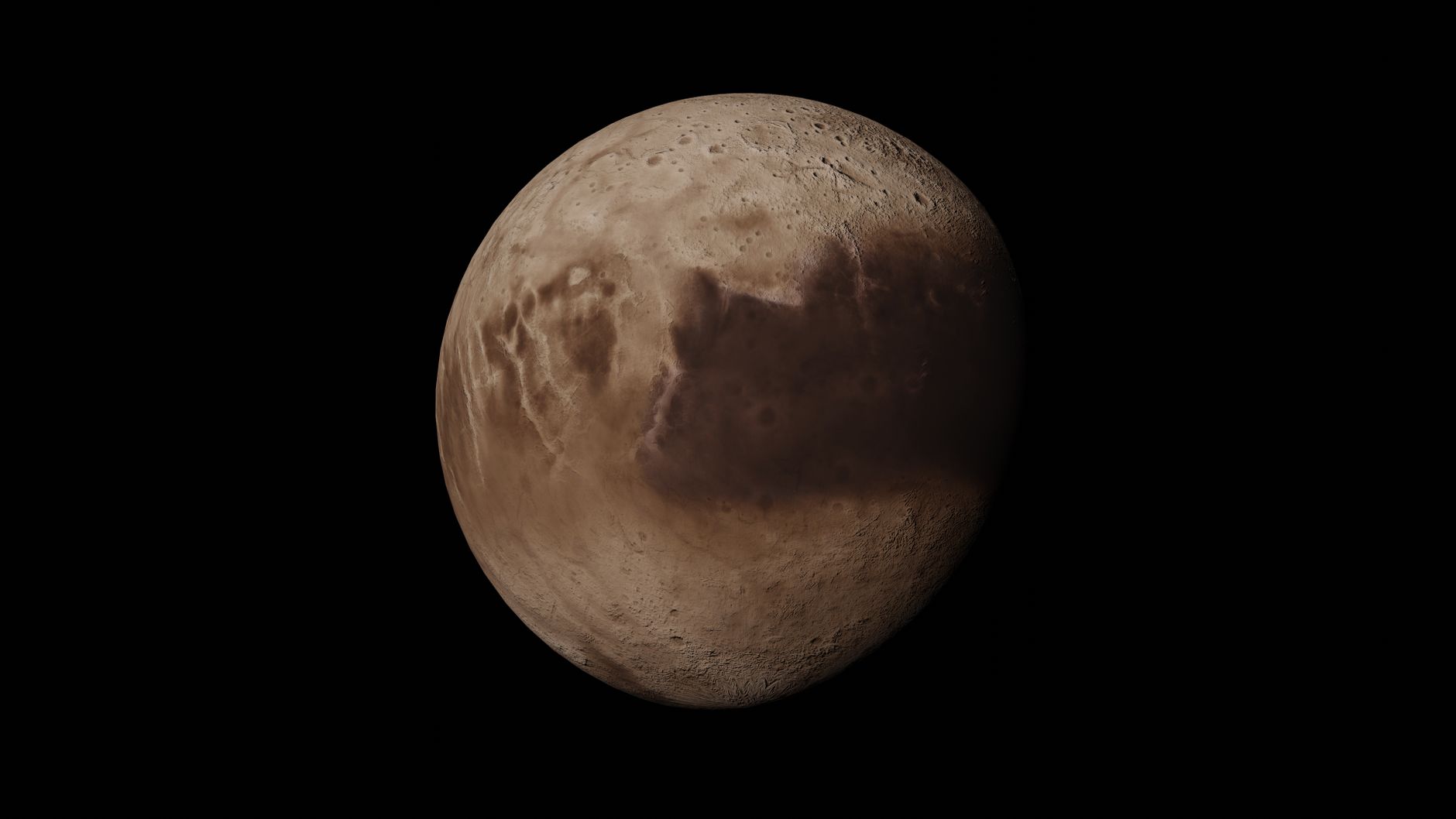
Phobos, the larger and innermost of Mars’s two moons, has long intrigued scientists due to its mysterious origin and its inevitable destruction. Orbiting the Red Planet at an incredibly close distance, its fate has been tightly linked to tidal forces exerted by Mars. In the past, experts believed Phobos would gradually spiral inward, eventually passing the Roche limit, a point at which tidal forces would tear it apart.
Phobos’s Shrinking Orbit
Phobos’s orbit is shrinking slowly due to tidal forces between the moon and Mars. These forces are pulling the moon closer to the planet by draining its orbital energy. According to Harrison Agrusa and Patrick Michel from the Observatoire de la Côte d’Azur, this inward spiral could lead to the moon’s destruction much sooner than anticipated.
As quoted by BBC Sky at Night, Phobos’s composition plays a key role: it’s not a solid body but a collection of loose debris. This rubble-pile structure makes the moon especially vulnerable to the tidal forces exerted by Mars. As its orbit decays, pieces of its surface begin to break off, starting at around 2.25 times the radius of Mars (2.25RM), well before it reaches the Roche limit.

(Credit: Zelch Csaba via Pexels)
A Moon’s Destructive Fate
As explained in the new research, available in Astronomy & Astrophysics (arXiv:2602.21912), material on its surface will start to break off in chunks due to the tidal forces acting on the moon. These initial shedding events will happen around 2.25RM, followed by larger events at 2.15RM and 2.13RM. As the potato-shaped moon approaches 2.09RM, its structure will become unstable, and the moon will break apart.
This process will create debris that enters orbit around Mars. Over time, this debris will collide back into Phobos with great force, accelerating its disintegration. Researchers suggest this could lead to a “sesquinary catastrophe,” in which Mars’s satellite is obliterated by its own fragments. Similar spacecraft reentry challenges highlight the harsh dynamics of planetary environments.


(Credit: cottonbro studio via Pexels)
What We Still Don’t Know
We still don’t know exactly how Phobos’s internal structure will react to these forces or when it will break apart. That’s why the upcoming Japanese Martian Moons eXploration (MMX) mission, launching in 2026, is so important. The MMX mission will give us more detailed info about Phobos’s makeup, helping us better predict what will happen to it. Missions like NASA's Mars Exploration Program provide complementary insights.
This mission will be key in helping us understand the larger moon of the Red Planet and its eventual destruction. It will provide valuable data on how Mars’s tidal forces are affecting the moon and give us a clearer idea of what’s in store for it. Advanced telescopes, such as the Nancy Grace Roman Space Telescope, could aid in observing such events.
Phobos, one of Mars' two moons, transiting in front of the Sun as seen by NASA's Perseverance rover on April 2, 2022. pic.twitter.com/yDjfSimFWN
, Astropics (@astropics) May 2, 2026

(Credit: YEŞ via Pexels)
Hand picked for you by Author
First-Ever Twin Black Holes Orbiting in Mrk 501
Astronomers led by Silke Britzen have discovered the first confirmed pair of supermassive black holes orbiting each other in galaxy Markarian 501, rev...
JAXA's 2030s Hunt for Life's Origins in Ancient Comet
JAXA's Next Generation Small-Body Return (NGSR) mission targets low-activity comet 289P/Blanpain in the 2030s to collect untouched samples revealing e...

2026 Solar Eclipse: 157 Years Until It Repeats?
A total solar eclipse on August 12, 2026, will cross the Arctic, Greenland, Iceland, and northern Spain, with max totality of 2m18s in the North Atlan...
LHC's Stunning Glimpse Into Big Bang's Chaos
ALICE team at LHC observed quark-gluon plasma signatures in proton-proton and proton-lead collisions for the first time, revealing anisotropic flow pa...

Black Hole Starves: 95% Dimmer in Just 20 Years
Astronomers observed galaxy J0218−0036's supermassive black hole fade 95% in brightness over 20 years due to a sudden 98% gas supply cut in just seven...
You Might Also Like



Elijah Tobs
A seasoned content architect and digital strategist specializing in deep-dive technical journalism and high-fidelity insights. With over a decade of experience across global finance, technology, and pedagogy, Elijah Tobs focuses on distilling complex narratives into verified, actionable intelligence.
Learn More About Elijah Tobs