JWST Exposes Dark, Airless Super-Earth Like Giant Mercury
The Core Insight
JWST Reveals Surface of Rocky Exoplanet LHS 3844 b

(Credit: Rodolfo Boscan via Pexels)
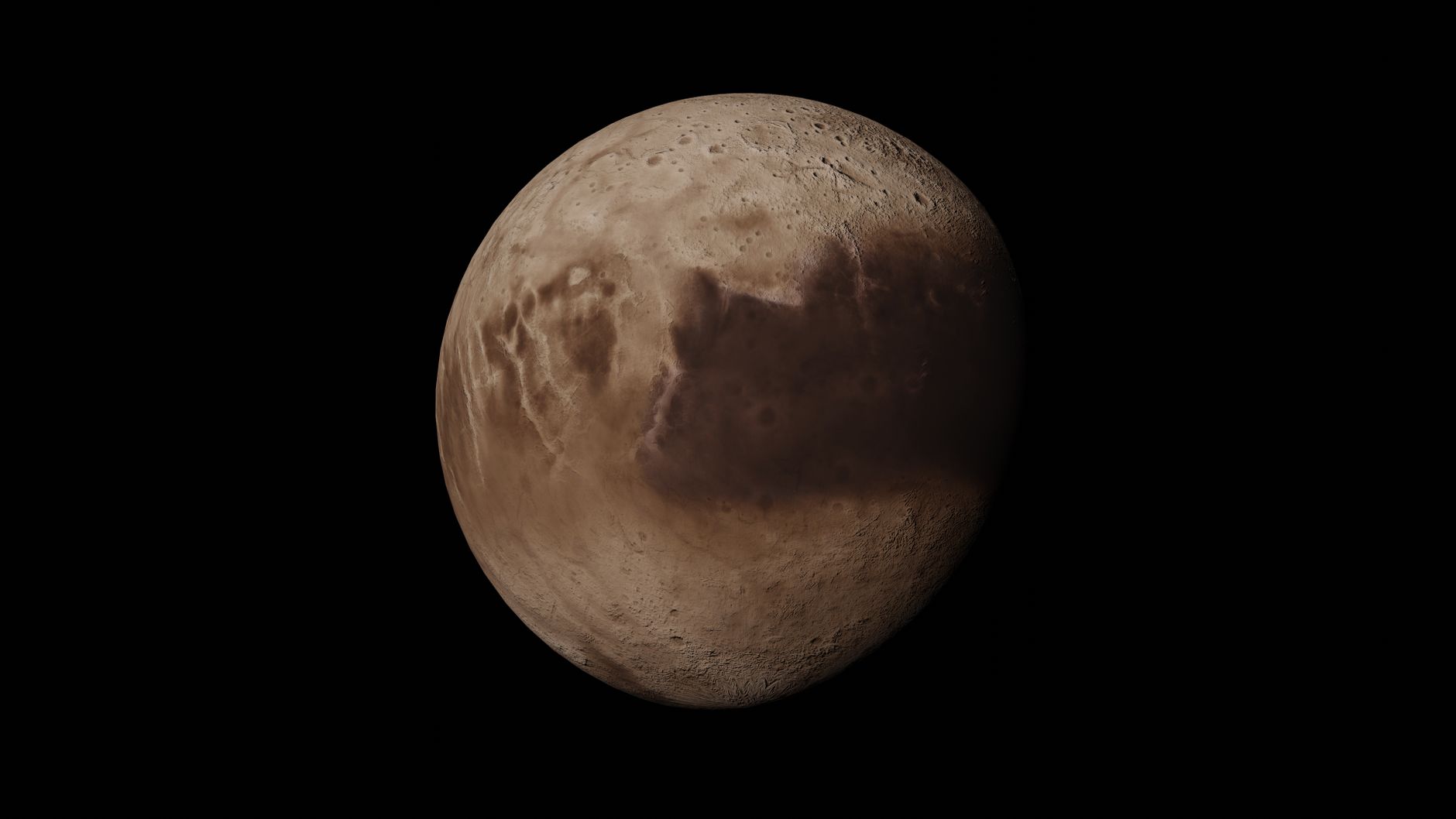
A nearby rocky exoplanet has delivered one of the clearest views yet into the surface of a world beyond our solar system. Observations from the James Webb Space Telescope (JWST), published in Nature Astronomy, show that LHS 3844 b is a dark, airless planet with a surface resembling Mercury or the Moon. This discovery marks a turning point, as astronomers begin to probe not just atmospheres, but the geology of distant worlds. For more on advanced space telescopes, see how the Roman Telescope unmasks hidden neutron stars.
A Dark And Airless World Comes Into Focus

(Credit: Francesco Paggiaro via Pexels)
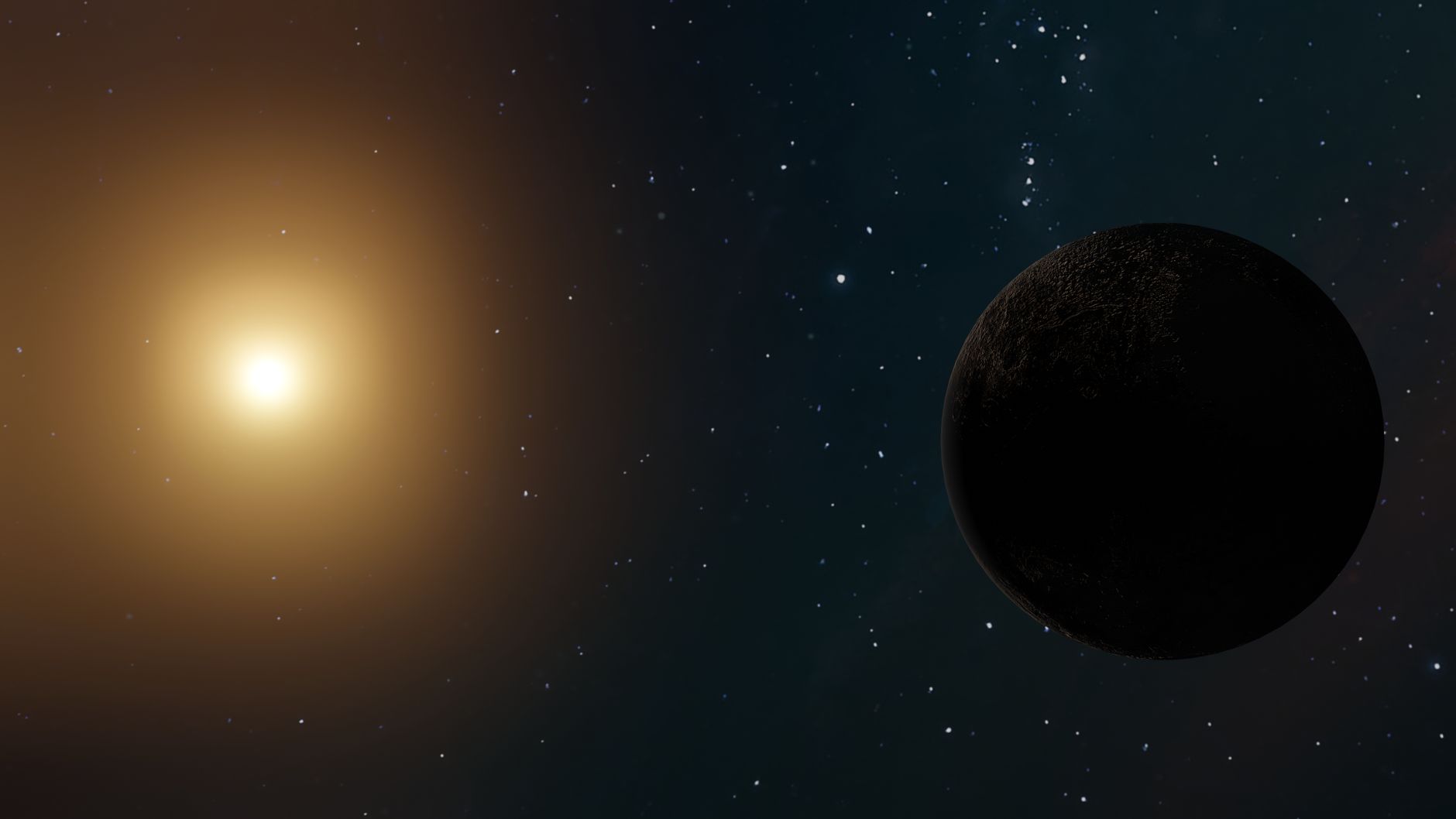
Located about 48.5 light-years from Earth, LHS 3844 b orbits a small red dwarf star at extreme proximity, completing a full orbit in just 11 hours. The planet is tidally locked, meaning one side permanently faces its star, enduring temperatures near 1000 Kelvin. Using the Mid-Infrared Instrument (MIRI) on JWST, scientists measured the planet’s heat emission and separated it from the star’s light, allowing a direct look at its surface properties. The results, published in Nature Astronomy, reveal no detectable atmosphere, leaving the surface fully exposed to the harsh environment of space. Similar extreme space environments are explored in reports on ESA's Space Rider reentry tests.
“Thanks to the amazing sensitivity of JWST, we can detect light coming directly from the surface of this distant rocky planet. We see a dark, hot, barren rock, devoid of any atmosphere,” said Laura Kreidberg of the Max Planck Institute for Astronomy.
This breakthrough shows that it is now possible to study the surfaces of rocky exoplanets directly, opening a new frontier in planetary science. Without an atmosphere to obscure observations, the data provides a rare and unobstructed view of the planet’s composition and thermal behavior.
Peering Beneath The Surface With Infrared Light
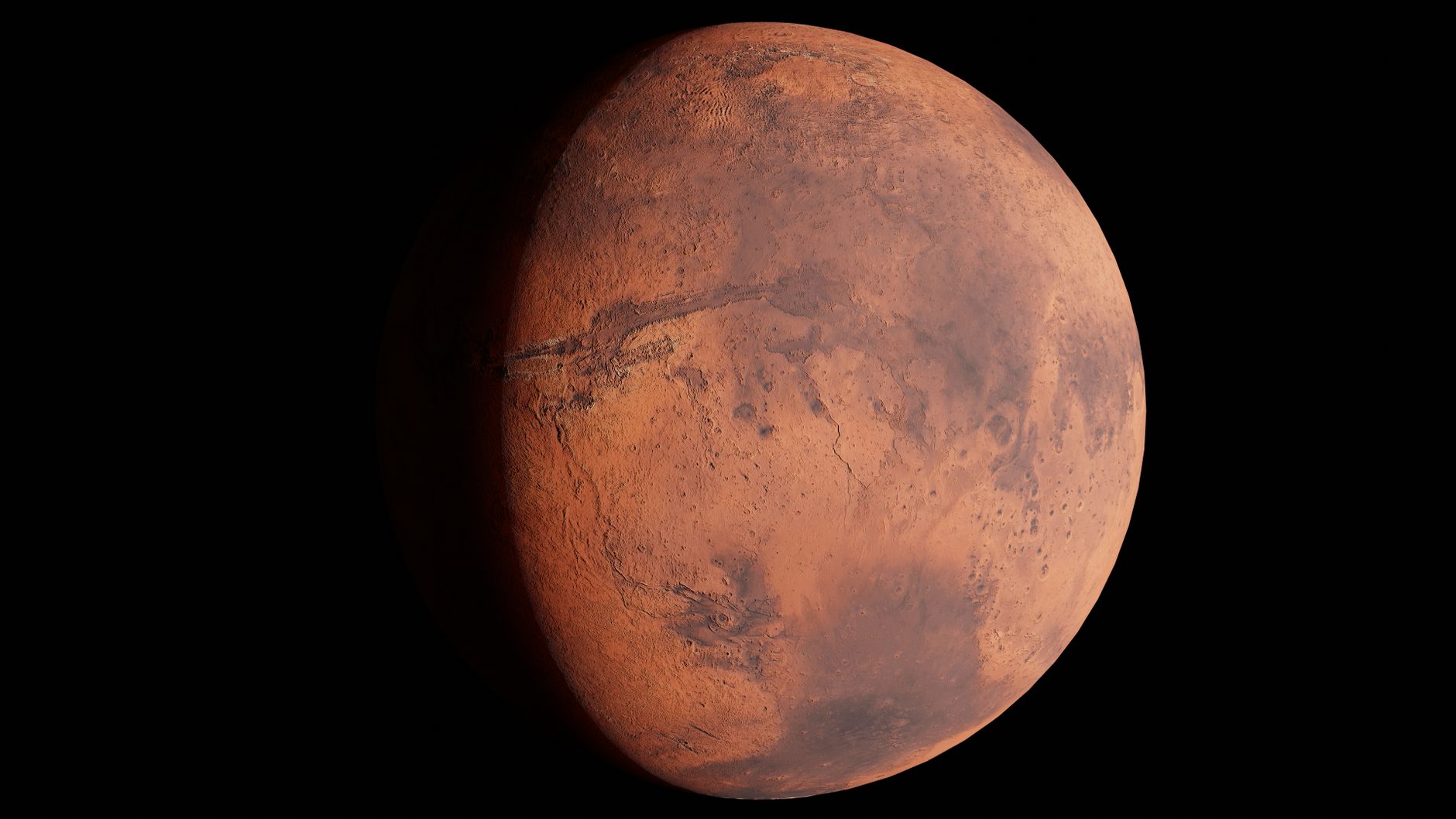
To understand what covers the planet, researchers analyzed infrared light between 5 and 12 micrometers, producing a spectrum that reveals the chemical and physical nature of the surface. By comparing this data with known rock types from Earth, the Moon, and Mars, scientists ruled out a crust similar to Earth’s, which is rich in silica and granite-like materials. Instead, the evidence points toward basaltic rocks and mantle-like compositions dominated by iron and magnesium.
“Since LHS 3844 b lacks such a silicate crust, one may conclude that Earth-like plate tectonics does not apply to this planet, or it is ineffective,” says Sebastian Zieba. “This planet likely only contains little water.”
This conclusion suggests that the processes shaping LHS 3844 b are very different from those on Earth. Without plate tectonics or significant water, the planet may lack the recycling mechanisms that create diverse geological features, resulting in a more uniform and extreme surface environment.

Space Weathering And A Surface Shaped By Extremes

(Credit: Siglinde Luise via Pexels)
With no atmosphere to provide protection, the surface of LHS 3844 b is constantly bombarded by radiation from its host star and impacts from space debris. These effects gradually break down solid rock into fine material known as regolith, while also altering its chemical composition. Over time, this process darkens the surface, making it consistent with the observations captured by JWST. Orbital risks in space are highlighted in Russian satellites' close orbit clashes.
“It turns out, these processes not only slowly dissolve hard rocks into regolith, a layer of fine grains or powder as found on the moon,” explains Zieba. “They also darken the layer by adding iron and carbon, making the regolith’s properties more consistent with the observations.”
This transformation helps explain why the planet appears so dark despite its high temperature. It also highlights how planetary surfaces can evolve under extreme conditions, even without atmospheric or liquid-driven processes.
Two Competing Scenarios For An Alien Landscape
Scientists are now considering two main possibilities for the planet’s surface. One scenario suggests a relatively fresh layer of solid basalt formed by recent volcanic activity, constantly renewing the surface. The other proposes an older, inactive world covered by a thick layer of darkened regolith created over long periods of exposure to space weathering. Each scenario implies a very different geological history, from active resurfacing to long-term stability.
The absence of gases such as sulfur dioxide, which are often linked to volcanic activity, favors the second scenario. This would make LHS 3844 b more similar to Mercury or the Moon, where geological activity has largely ceased. Still, the data does not completely rule out ongoing processes, and further observations will be needed to refine this picture.
A New Era Of Exoplanet Geology

(Credit: Zelch Csaba via Pexels)
Future observations with JWST aim to resolve this uncertainty by analyzing how light reflects off the planet’s surface at different angles. This technique can reveal details about surface texture, distinguishing between solid rock and loose material. It has already been used successfully within our solar system and is now being extended to distant exoplanets. Learn more about cutting-edge telescope innovations.
“We are confident the same technique will allow us to clarify the nature of LHS 3844 b’s crust and, in the future, other rocky exoplanets,” concludes Kreidberg.
As these methods advance, scientists are entering a new era where the geology of distant worlds can be studied with increasing precision. LHS 3844 b stands as a striking example of this progress, offering a direct glimpse into the harsh reality of a rocky planet shaped by extreme conditions.
Hand picked for you by Author
First-Ever Twin Black Holes Orbiting in Mrk 501
Astronomers led by Silke Britzen have discovered the first confirmed pair of supermassive black holes orbiting each other in galaxy Markarian 501, rev...
JAXA's 2030s Hunt for Life's Origins in Ancient Comet
JAXA's Next Generation Small-Body Return (NGSR) mission targets low-activity comet 289P/Blanpain in the 2030s to collect untouched samples revealing e...

2026 Solar Eclipse: 157 Years Until It Repeats?
A total solar eclipse on August 12, 2026, will cross the Arctic, Greenland, Iceland, and northern Spain, with max totality of 2m18s in the North Atlan...
LHC's Stunning Glimpse Into Big Bang's Chaos
ALICE team at LHC observed quark-gluon plasma signatures in proton-proton and proton-lead collisions for the first time, revealing anisotropic flow pa...

Black Hole Starves: 95% Dimmer in Just 20 Years
Astronomers observed galaxy J0218−0036's supermassive black hole fade 95% in brightness over 20 years due to a sudden 98% gas supply cut in just seven...
You Might Also Like



Elijah Tobs
A seasoned content architect and digital strategist specializing in deep-dive technical journalism and high-fidelity insights. With over a decade of experience across global finance, technology, and pedagogy, Elijah Tobs focuses on distilling complex narratives into verified, actionable intelligence.
Learn More About Elijah Tobs