ESA Space Rider Survives 2900°F Reentry Tests

The Core Insight
ESA's Space Rider: Europe's Reusable Spacecraft Breakthrough
Europe’s space ambitions have taken a giant leap forward as the European Space Agency (ESA) advances its groundbreaking Space Rider spacecraft. This reusable, uncrewed vehicle is set to transform how Europe conducts space missions. Recent tests, including rigorous reentry simulations and the assembly of a full-size drop-test model, are critical milestones, signaling ESA’s readiness to revolutionize orbital travel.
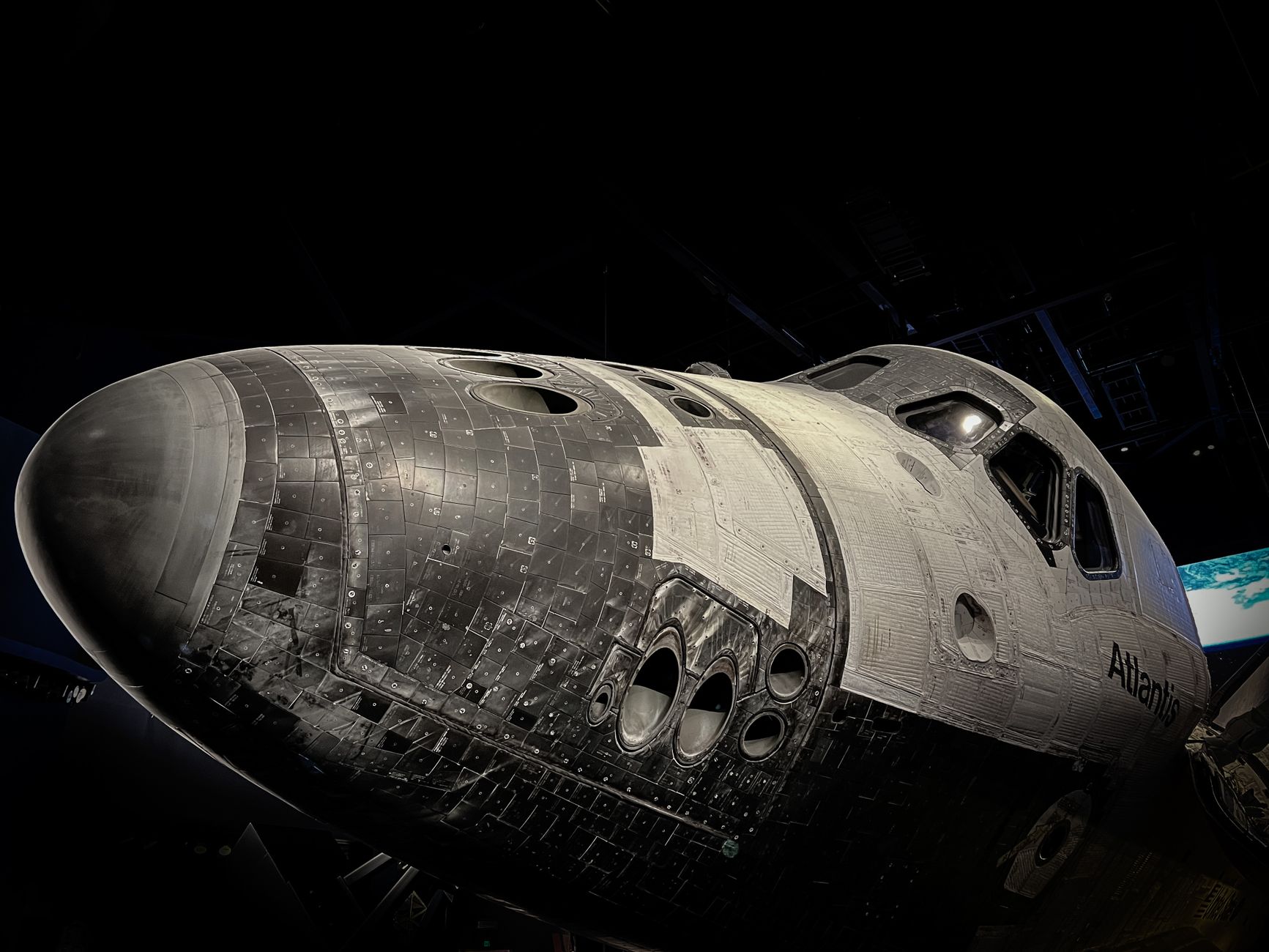
(Credit: Blue Arauz via Pexels)
Major Milestones in Thermal Protection and Guided Landing Systems
One of the most significant challenges for any spacecraft is reentering Earth’s atmosphere safely. ESA engineers subjected the spacecraft’s thermal protection system to extreme conditions, simulating the intense heat of atmospheric reentry. Using the largest plasma wind tunnel in the world at the Italian Aerospace Research Centre (CIRA), ESA exposed the spacecraft’s components to temperatures reaching up to 2,900°F (1,600°C). This crucial test ensures that Space Rider can survive the fiery descent back to Earth. For more on ESA's reusable tech, see their Space Rider overview.
The thermal protection system also underwent tests to simulate how it would react if damaged by debris or micrometeoroids. Engineers deliberately introduced defects into the tiles and exposed them to the plasma jet, providing valuable insights into how Space Rider will handle less-than-ideal reentry conditions.
The success of these tests is a critical milestone in ensuring the spacecraft can return safely and continue its journey toward reusability. ESA’s long-term vision for Space Rider is to create a fully reusable spacecraft that can conduct regular missions without the need for significant refurbishment after each flight. Details on similar NASA efforts available at NASA's X-37B.


(Credit: MESSALA CIULLA via Pexels)
Testing Precision Landing Systems for the Future of Orbital Recovery
While surviving reentry is crucial, it’s just one part of the equation. Once it reaches Earth’s surface, Space Rider needs to land precisely to be reused. Unlike other spacecraft that rely on parachutes or splashdowns, ESA’s Space Rider uses a lifting-body design without wings. Instead, it deploys a steerable parafoil to control its descent and make a runway-style landing. This innovative system provides the spacecraft with greater control during landing, offering more predictable outcomes and faster recovery times. Learn more from NASA's X-38 lifting body history.
ESA’s engineers have already completed the assembly of a full-size drop-test model of the spacecraft. This model carries the spacecraft’s avionics and onboard software, designed to autonomously control the parafoil during descent. The spacecraft will undergo several helicopter drop tests later this year at the Salto di Quirra range on the Italian island of Sardinia. These tests will focus on the final phase of the flight, mimicking conditions close to an actual landing but without the full reentry sequence.

(Credit: SpaceX via Pexels)
A New Era in European Space Exploration
ESA’s commitment to developing the Space Rider spacecraft marks a new chapter in Europe’s space exploration efforts. The spacecraft’s design and reusability offer exciting possibilities for conducting orbital missions on a regular basis. It is not just a tool for research, but a stepping stone toward more sustainable and efficient space missions.
With Space Rider poised to revolutionize the way we think about space vehicles, ESA’s efforts could have far-reaching implications. The spacecraft will play a vital role in advancing Europe’s capabilities in space research, technology demonstrations, and satellite servicing. The success of these ongoing tests is critical to Europe’s long-term space strategy, ensuring that the continent remains at the forefront of space exploration. Additional context from ESA's future preparations.
As ESA prepares for the next phase of testing, the Space Rider is closer than ever to taking flight, bringing Europe one step closer to joining the ranks of nations capable of regularly launching and recovering reusable spacecraft.
ESA’s Space Rider tests confirm progress toward reusable orbital operations.
Hand picked for you by Author

First-Ever Twin Black Holes Orbiting in Mrk 501
Astronomers led by Silke Britzen have discovered the first confirmed pair of supermassive black holes orbiting each other in galaxy Markarian 501, rev...
JAXA's 2030s Hunt for Life's Origins in Ancient Comet
JAXA's Next Generation Small-Body Return (NGSR) mission targets low-activity comet 289P/Blanpain in the 2030s to collect untouched samples revealing e...

2026 Solar Eclipse: 157 Years Until It Repeats?
A total solar eclipse on August 12, 2026, will cross the Arctic, Greenland, Iceland, and northern Spain, with max totality of 2m18s in the North Atlan...
LHC's Stunning Glimpse Into Big Bang's Chaos
ALICE team at LHC observed quark-gluon plasma signatures in proton-proton and proton-lead collisions for the first time, revealing anisotropic flow pa...

Black Hole Starves: 95% Dimmer in Just 20 Years
Astronomers observed galaxy J0218−0036's supermassive black hole fade 95% in brightness over 20 years due to a sudden 98% gas supply cut in just seven...
You Might Also Like



Elijah Tobs
A seasoned content architect and digital strategist specializing in deep-dive technical journalism and high-fidelity insights. With over a decade of experience across global finance, technology, and pedagogy, Elijah Tobs focuses on distilling complex narratives into verified, actionable intelligence.
Learn More About Elijah Tobs