Beat the Winter Blues: 4 Science-Backed Ways to Reclaim Your Mood
Elijah TobsBy Elijah Tobs
Health
May 26, 2026 • 8:52 PM
8m8 min read
Verified
Source: Unsplash
The Core Insight
Seasonal Affective Disorder (SAD) is a recognized form of depression triggered by seasonal changes, specifically the reduction of daylight in fall and winter. While severe cases require clinical intervention, mild to moderate symptoms can be managed through strategic lifestyle adjustments, including light exposure, dietary changes, and consistent physical activity.
As the founder and primary investigative voice at Kodawire, Elijah Tobs brings over 15 years of experience in dissecting complex geopolitical and financial systems. His work is centered on the ethical governance of emerging technologies, the shifting architectures of global finance, and the future of pedagogy in a digital-first world. A staunch advocate for high-fidelity journalism, he established Kodawire to be a sanctuary for deep-dive intelligence. Moving away from the ephemeral nature of modern headlines, Kodawire delivers permanent, verified insights that challenge the status quo and empower the global reader.
Beyond the Winter Blues: Navigating Seasonal Affective Disorder
The days grow shorter, the temperature drops, and the morning alarm feels like an act of aggression. For many, this is a temporary slump as we adjust to the end of summer. For others, the shift in seasons triggers something more persistent. It is a form of depression that arrives with the frost and lingers until spring. If you are feeling the weight of the season, you might find it helpful to explore proven ways to keep your fitness routine during the colder months.
What You Need to Know
Prioritize Light: Aim for 30 minutes of daily exposure to a light box or maximize natural daylight by sitting near windows.
Stabilize Your Fuel: Avoid caffeine and soda; focus on regular meals and tryptophan-rich foods like nuts and seeds to support serotonin production.
Move with Purpose: Commit to a brisk 35-minute walk, five days a week, to help manage symptoms of mild-to-moderate depression.
Get Outside: Do not let the cold keep you indoors; fresh air and natural light are essential for mood regulation.
Observing how environments dictate internal states reveals that we often dismiss these feelings as personality quirks or a lack of willpower. Recognizing that energy levels are tied to the solar cycle is the first step toward reclaiming winter months. It is not "all in your head," and it is not something to simply "tough out." Understanding the physiological reality of stress can help you distinguish between temporary fatigue and deeper seasonal shifts.
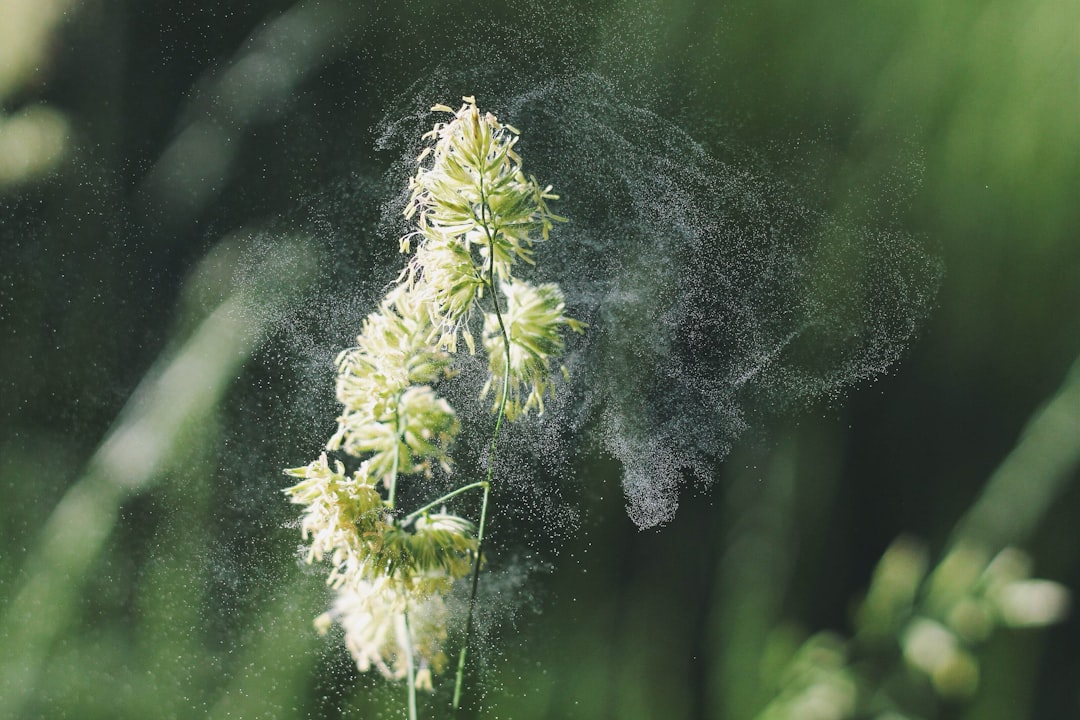
Maximizing natural light exposure is a key strategy for managing seasonal mood shifts. (Credit: Jon Tyson via Unsplash)
Understanding Seasonal Affective Disorder (SAD)
While "Seasonal Affective Disorder" is widely recognized, it does not currently appear as a standalone entry in the Diagnostic and Statistical Manual (DSM). Instead, experts at the National Institute of Mental Health classify it as a form of depression with a seasonal pattern. This distinction validates the experience of those who feel healthy for nine months of the year, only to struggle as the days shorten.
Symptoms mirror clinical depression: persistent low mood, loss of interest in activities, and shifts in appetite and sleep patterns. Because these symptoms often start mild and intensify, they are frequently overlooked until they become difficult to manage. Recognizing these signs early is the most effective way to prevent a downward spiral. If you find yourself constantly searching for answers, consider learning how to research symptoms without anxiety.
Behind the Scenes
This analysis is rooted in clinical observations regarding light therapy and behavioral interventions. I have cross-referenced data on physiological mechanisms, specifically serotonin production and circadian rhythm regulation, to explain why these lifestyle changes function as effective interventions.
The Science of Light: Why Your Internal Clock Matters
The reduction in daylight disrupts our internal biological clock. The body relies on light cues to regulate hormones and sleep cycles. When those cues are muted, the system drifts. According to the Mayo Clinic, light therapy is a primary treatment for seasonal patterns.
"Sitting next to a light box for 30 minutes every day is as effective as medication."
Light exposure is a therapeutic necessity. If you struggle to wake up, a dawn simulator can assist by mimicking a natural sunrise, gradually brightening your bedroom to help your body transition out of sleep. For those who need a more direct intervention, light boxes provide a concentrated dose of brightness to recalibrate your internal rhythm.
A 10,000 lux light box can help recalibrate your circadian rhythm during dark winter months. (Credit: Angela Roma via Pexels)
A Quick Health Disclaimer
This information is for educational purposes and is not a medical diagnosis. Seasonal depression can be a serious condition. If symptoms interfere with your daily life, consult a licensed healthcare professional to discuss options such as medication or psychotherapy.
4 Pillars of Seasonal Wellness
To build a resilient routine, I focus on four specific pillars that create a feedback loop for mood regulation:
Light Exposure: Beyond the light box, open blinds immediately upon waking and position your workspace near a window.
Nutritional Support: Blood sugar crashes trigger mood instability. Avoid the temporary high of caffeine and soda. Prioritize regular, balanced meals and incorporate foods rich in tryptophan, such as oats, nuts, and seeds, to support serotonin production.
Consistent Movement: The 35-minute brisk walking protocol is a proven strategy for managing mild-to-moderate depression. Combining this with outdoor light doubles the benefit.
Outdoor Habituation: Spending time outdoors, even when it is chilly, is critical. Maintaining a connection to the natural environment helps keep your circadian rhythm aligned.
The Clinical Reality
Research suggests that the efficacy of lifestyle interventions is tied to the biological impact of serotonin and circadian stability. Indicators that you may benefit from these changes include:
Persistent fatigue despite adequate sleep.
Increased cravings for carbohydrates or sugar.
A noticeable "heaviness" in the limbs or a lack of motivation.
Difficulty concentrating on tasks that were previously easy.
The Contrarian's Corner
Many believe that "winter blues" are a sign that you need to be more productive or "push through." I disagree. Treating your body like a machine that should function at 100% capacity regardless of the season is a recipe for burnout. Sometimes, the most productive action is acknowledging that your biology is responding to a lack of light and adjusting your expectations accordingly.
Interactive Decision-Making Tool
Not sure where to start? Use this guide to determine your next step:
If you struggle to wake up: Invest in a dawn simulator.
If you feel low energy throughout the day: Prioritize a 35-minute brisk walk during daylight hours.
If you have constant sugar cravings: Focus on stabilizing blood sugar with regular, protein-and-fiber-rich meals.
My Personal Toolkit
Light Therapy: A high-quality, medical-grade light box (10,000 lux output).
Circadian Support: A reliable dawn simulator alarm clock.
Nutritional Staples: A pantry stocked with raw nuts, seeds, and whole-grain oats for consistent serotonin support.
What Do You Think?
Have you found that specific lifestyle changes, like light therapy or dietary shifts, have helped you manage the seasonal slump, or do you find that the "winter blues" require a different approach entirely? I will be replying to every comment in the first 24 hours, so let me know your experience.
It is not a standalone entry in the DSM; instead, it is classified as a form of depression with a seasonal pattern.
Light therapy helps recalibrate your internal biological clock and circadian rhythm, which are often disrupted by the reduction in natural daylight during winter.
The four pillars are light exposure, nutritional support, consistent movement, and outdoor habituation.
Active Engagement
Was this information helpful?
Join Discussions
0 Thoughts
Editorial Team • Question of the Day
"What is the one thing you do every winter to keep your energy levels from dipping?"