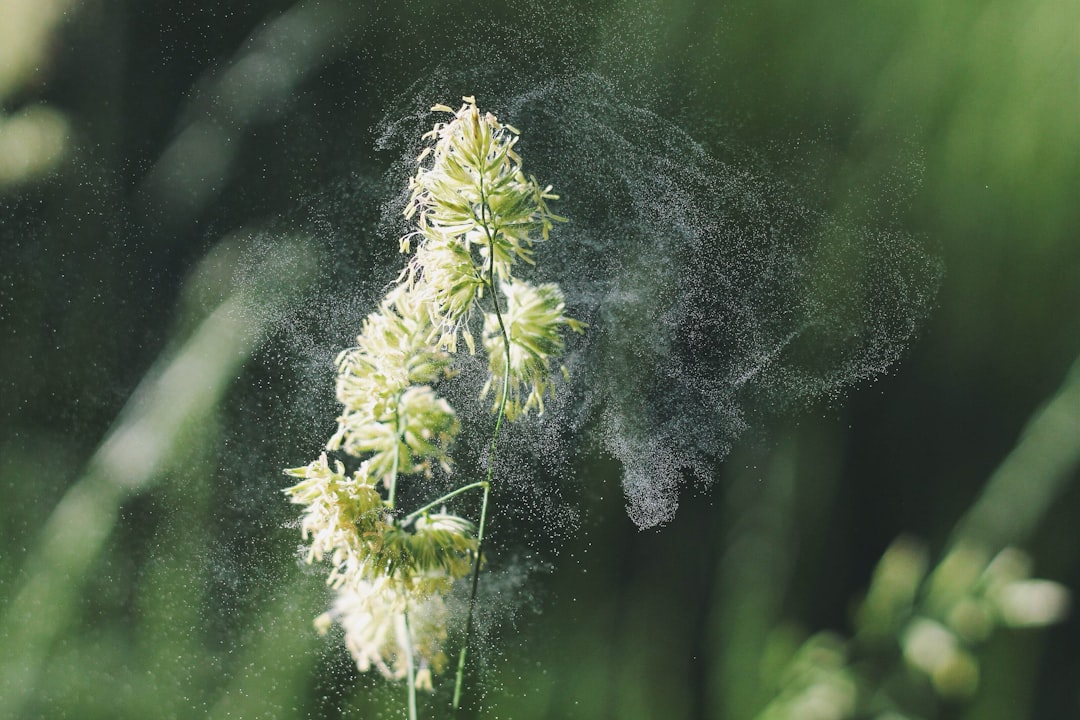
The 20-Minute Secret: Why Nature Is Your New Energy Booster
Tobiloba OdejinmiBy Tobiloba Odejinmi
Education
May 26, 2026 • 8:55 PM
9m9 min read
Source: Unsplash
The Core Insight
Modern indoor lifestyles are linked to depression, obesity, and sleep disruption. This article explores how brief, consistent exposure to nature and natural light acts as a biological reset, boosting energy, immunity, and long-term physical health.
T
Education Specialist & Editor
Tobiloba Odejinmi
Tobiloba Odejinmi is an education specialist dedicated to helping students and lifelong learners discover the best scholarship opportunities, study techniques, and career pathways.
The Kodawire Editorial Team consists of experienced journalists and subject matter experts dedicated to delivering accurate, well-researched, and engaging content.
The Hidden Cost of the Indoor Lifestyle: Why Your Body Craves the Outdoors
What You Need to Know
The 20-Minute Rule: Stepping outside for just 20 minutes can provide a 40% energy boost, matching the effect of a cup of coffee.
Immune Support: Breathing in phytoncides, airborne chemicals from plants, actively increases your white blood cell count.
Vision Protection: Natural light is critical for healthy eye development and helps prevent the progression of nearsightedness.
Vitamin D Necessity: Sunlight is the primary source of Vitamin D, which is vital for bone health and calcium absorption.
I often find myself staring at my monitor, the blue light reflecting off my glasses, wondering why my afternoon slump feels so heavy. Like many of you, my professional life is tethered to a desk. We live in an era where our environments are climate-controlled, illuminated by LEDs, and optimized for productivity. Yet, I have noticed that the more I optimize my indoor space, the more my physical and mental well-being seems to plateau. It is a strange paradox: we are more comfortable than ever, yet our bodies are signaling a profound disconnect from the natural world. If you are feeling the weight of chronic stress, it may be time to step away from the screen.
Research indicates that this shift toward an indoor-centric existence is not without consequence. When we spend the vast majority of our waking hours shielded from the elements, we disrupt our internal biological clocks. This misalignment is linked to a higher risk of depression, obesity, and diabetes. It is not just about feeling "bored" or "stuck"; it is about the fundamental way our physiology responds to light, air, and space. Understanding the biology of joy and movement can help us bridge this gap.
Why You Can Trust This
To write this, I have spent time reviewing the latest findings on environmental health and human physiology. My process involves cross-referencing claims about light exposure and immune function against established health research from institutions like the National Institutes of Health. I do not rely on anecdotal trends; instead, I look for the biological mechanisms, such as how retinal light absorption influences stress hormones, to explain why these changes occur. My goal is to provide you with a clear, evidence-based perspective on how to reclaim your health in a modern, often indoor-focused, world.
1. The 20-Minute Energy Reset
A simple 20-minute walk in a green space can reset your energy levels. (Credit: Irfan Rahat via Pexels)
If you are reaching for that third cup of coffee, consider this: your body might not need more caffeine; it might need more photons. When natural light enters through your retinas, it triggers a physiological response that restricts the release of stress hormones. This process effectively melts away mental fatigue.
Spending just 20 minutes outdoors can boost your physical and mental energy by 40%. That is a significant return on investment for a simple walk around the block. When you combine this light exposure with the psychological clarity provided by fresh air, the result is a natural, sustainable energy lift that does not come with the inevitable caffeine crash. If you find yourself struggling with winter fatigue, this outdoor reset is a proven way to maintain your momentum.
The Clinical Reality
The benefits of outdoor exposure are not merely subjective feelings of "feeling better." Clinical observations suggest that:
Stress Hormone Regulation: Natural light exposure is directly linked to the suppression of cortisol and other stress-related markers.
Inflammatory Response: Regular time spent in green spaces is associated with lower levels of systemic inflammation, which is a key factor in managing autoimmune conditions and inflammatory bowel disease.
Immune Function: Exposure to airborne plant chemicals (phytoncides) has been shown to stimulate the production of white blood cells, our primary defense against infection.
2. Protecting Your Vision
We often worry about the sun’s impact on our skin, but we frequently overlook its role in eye health. Natural light is essential for normal eye development, particularly in children. Research from the National Eye Institute shows that individuals who spend more time outdoors are significantly less likely to develop nearsightedness (myopia).
"Natural light is essential to normal eye development, especially in kids."
Of course, this does not mean you should stare directly at the sun. Protecting your eyes is still a priority. Using UV-blocking sunglasses and wide-brimmed hats allows you to reap the benefits of natural light while keeping your eyes safe from harmful radiation.
Many people believe that you need to escape to a deep, remote forest to experience the health benefits of nature. I disagree. The data suggests that urban green spaces, your local city park or even a well-maintained community garden, offer benefits that are remarkably similar to those found in deep wilderness. You do not need a weekend-long hiking trip to improve your health; you just need to find the nearest patch of green and use it consistently.
3. Strengthening Your Immune System
Plants release phytoncides, which help boost your immune system. (Credit: Gundula Vogel via Pexels)
There is a fascinating interaction between our bodies and the environment that we rarely consider: we are designed to breathe in the chemicals that plants produce. These airborne compounds, known as phytoncides, do more than just make a forest smell pleasant; they trigger an increase in white blood cell production. By spending time outdoors, you are essentially giving your immune system a natural, chemical-free boost.
Furthermore, for those managing chronic conditions, the outdoors can be a powerful tool. Evidence suggests that patients dealing with autoimmune disorders or inflammatory bowel disease often experience less pain and lower levels of systemic inflammation when they incorporate regular outdoor time into their routine.
A Quick Health Disclaimer
The information provided here is for educational purposes only and is not intended to serve as a medical diagnosis or treatment plan. If you are managing a chronic health condition, such as an autoimmune disorder or severe depression, please consult with your primary care physician or a qualified healthcare professional before making significant changes to your lifestyle or routine.
4. The Vitamin D Connection
We are often told to eat a balanced diet, but when it comes to Vitamin D, food sources are rarely enough to meet our body's requirements. Sunlight remains the most effective way to synthesize this essential nutrient. Vitamin D is not just a vitamin; it acts as a hormone that is critical for calcium absorption, bone density, and the prevention of osteoporosis, as noted by the Centers for Disease Control and Prevention.
Beyond bone health, Vitamin D serves as a potent immune booster. By failing to get outside, we are essentially depriving our bodies of a primary tool for maintaining structural and immunological integrity.
The Decision-Making Tool
Not sure how to start? Use this simple guide to find your entry point:
If you have...
Try this...
5 Minutes
Step outside and take 10 deep breaths of fresh air.
20 Minutes
Take a brisk walk without your phone or headphones.
1 Hour
Visit a local park and sit on a bench or walk the perimeter.
The 10-Second Micro-Habit
If you are struggling to get outside, start with this: The Window Reset. Every time you finish a task or send an email, stand up and look out a window at the furthest point you can see for 10 seconds. It forces your eyes to adjust their focus and reminds your brain that there is a world beyond your screen.
My Personal Toolkit
I have found that keeping a few simple items near my door makes the transition to the outdoors much easier:
UV-Blocking Sunglasses: A high-quality pair that I keep in my bag so I am never caught without them.
Lightweight Walking Shoes: Keeping these by the door removes the friction of "getting ready" to go outside.
A Simple Analog Watch: I use this to track my 20-minute goal without being tempted to check notifications on my phone.
What Do You Think?
We often talk about "work-life balance," but we rarely talk about "indoor-outdoor balance." Given your current schedule, what is the biggest barrier preventing you from getting those 20 minutes of natural light each day? I will be replying to every comment in the first 24 hours to hear your strategies.
Spending just 20 minutes outdoors can boost your physical and mental energy by 40%.
Phytoncides are airborne chemicals produced by plants. Breathing them in has been shown to stimulate the production of white blood cells, which helps strengthen your immune system.
Yes, research shows that natural light is essential for normal eye development, and individuals who spend more time outdoors are significantly less likely to develop nearsightedness.
Active Engagement
Was this information helpful?
Join Discussions
0 Thoughts
Editorial Team • Question of the Day
"Do you find that your mood or energy levels shift noticeably when you spend a full day indoors versus a day with even a short outdoor break?"