The 5 Hidden Habits Secretly Destroying Your Back Health
Tobiloba OdejinmiBy Tobiloba Odejinmi
Education
May 25, 2026 • 9:22 PM
2m2 min read
Verified
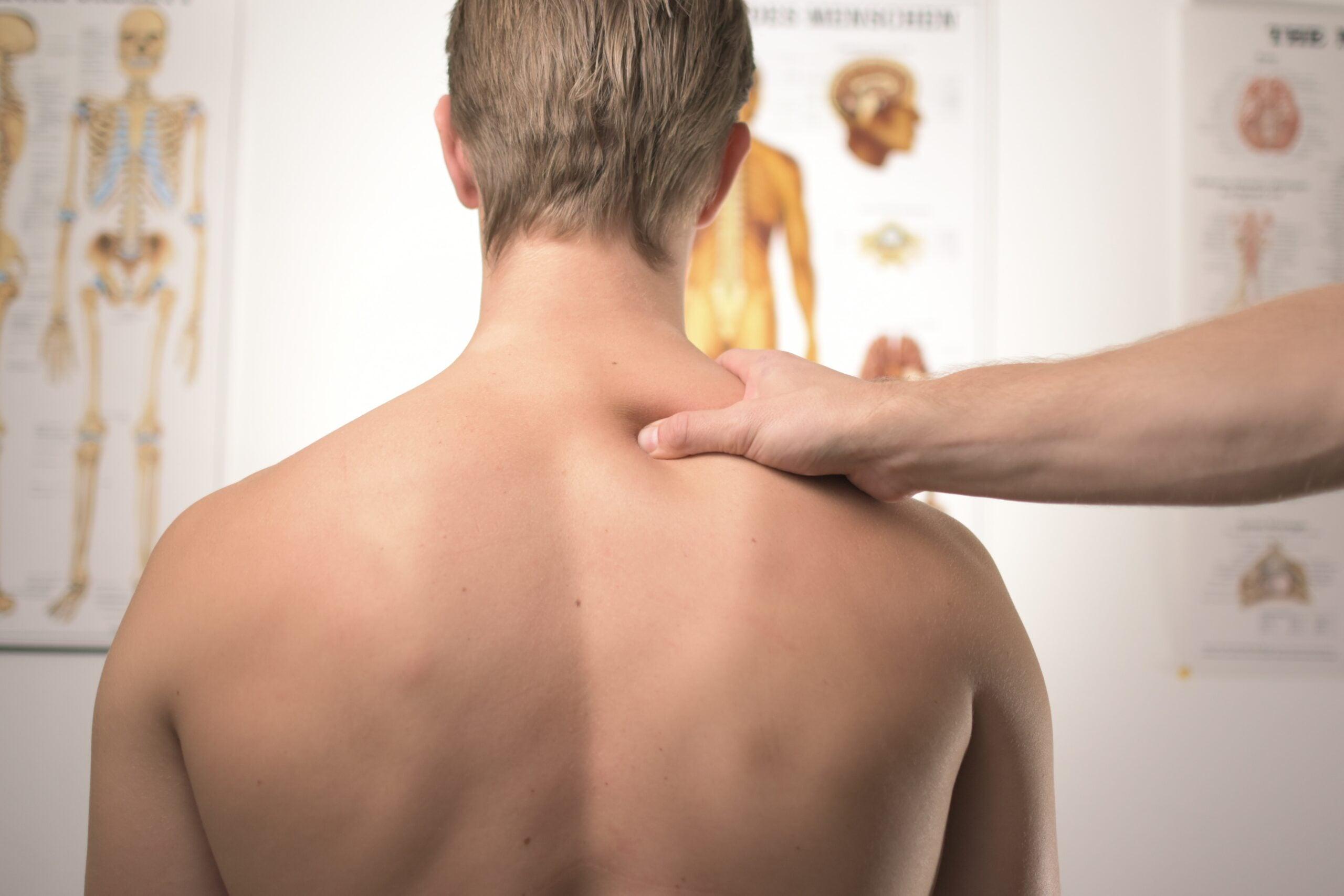
Source: Unsplash
The Core Insight
Chronic back pain is a leading cause of disability, often stemming from lifestyle factors rather than acute injury. This guide breaks down five primary culprits, muscle overuse, sedentary behavior, weight, diet, and core weakness, and provides actionable strategies to mitigate pain and improve spinal health.
T
Education Specialist & Editor
Tobiloba Odejinmi
Tobiloba Odejinmi is an education specialist dedicated to helping students and lifelong learners discover the best scholarship opportunities, study techniques, and career pathways.
The Kodawire Editorial Team consists of experienced journalists and subject matter experts dedicated to delivering accurate, well-researched, and engaging content.
The 5 Hidden Habits Secretly Destroying Your Back Health
The Bottom Line
Move Every 30 Minutes: Prolonged sitting is a primary driver of spinal disc pressure; break the cycle with frequent movement.
Prioritize Core Stability: A weak midsection forces your back muscles to overcompensate, leading to chronic strain.
Hydrate for Your Spine: Dehydration causes spinal discs to lose volume and shock-absorption capacity.
Listen to Red Flags: Seek medical attention immediately if back pain is accompanied by fever, unexplained weight loss, or incontinence.
I have spent years observing how our modern environment clashes with our biological design. If you have felt that dull ache radiating across your lower back after a long day at the desk, you are far from alone. We often treat back pain as an inevitable consequence of aging or bad luck. However, the reality is grounded in our daily choices.
Back pain is the leading cause of disability among young Americans. It is rarely a random occurrence; it is the cumulative result of lifestyle choices that take a toll on our skeletal structure. For those interested in the broader connection between physical state and mental well-being, understanding the science of happiness can provide context on how movement influences our overall health.
Why You Can Trust This
To provide this analysis, I have cross-referenced clinical observations regarding spinal mechanics and lifestyle-induced inflammation. My research process involves stripping away marketing noise and focusing on the physiological realities of how muscles, discs, and posture interact. I have vetted these claims against established medical consensus to ensure the advice is grounded in human anatomy.
Why Back Pain Has Become a Modern Epidemic
We are living in an era where our bodies are being asked to perform tasks they were not evolved for. While we often blame "heavy lifting" for our woes, the epidemic is driven by a combination of sedentary behavior, nutritional choices, and a lack of core engagement. Back pain is not just a physical injury, it is a lifestyle symptom.
1. The Overuse Trap: Why Your Muscles Need More Than Just Sleep
We often push through soreness, assuming it is part of an active life. There is a distinct difference between productive exertion and damaging overuse. When you overwork your back muscles, you create a cycle of micro-trauma. Without adequate rest, these muscles remain in a state of chronic tightness, which places undue pressure on the spine.
Active recovery is essential for preventing chronic muscle tightness. (Credit: Sergio Kian via Unsplash)
True recovery is not just about passive sleep. It involves active recovery techniques, such as deep breathing, which helps regulate the nervous system and allows the muscles to release the tension they have been holding throughout the day. If you struggle with rest, you might find the science of sleep helpful for understanding how to optimize your recovery cycles.
A Quick Health Disclaimer
The information provided here is for educational purposes only and does not constitute medical advice. Back pain can be complex. Always consult with a qualified healthcare provider or physical therapist before beginning any new exercise regimen or if you are experiencing persistent pain.
2. The 'Sitting Disease': How Your Chair is Hurting Your Spine
Most of us spend too much time in a chair. Sitting is more damaging to the spine than standing. When you sit for extended periods, your muscles adapt to that shortened position. This leads to a loss of flexibility and increased pressure on your spinal discs.
To combat this, I recommend the 30-minute rule: get up and move. Focus on stretching your Achilles, calves, hamstrings, and glutes. These areas are the "hidden" culprits that pull on the pelvis and, by extension, the lower back. For those dealing with lower body issues, it is worth noting that knee surgery or meniscus concerns are often linked to these same kinetic chain imbalances.
The Clinical Reality
Prolonged static posture increases intradiscal pressure. Watch for these indicators that your posture may be causing structural strain:
Increased stiffness upon standing after sitting for more than 30 minutes.
Radiating discomfort in the glutes or hamstrings.
A tendency to "slouch" or round the shoulders as the day progresses.
3. The Weight-Spine Connection
It is a simple matter of physics. Excess weight, particularly around the midsection, alters the natural curvature of the spine. This creates a constant mechanical load that the back muscles are forced to support. Sustainable lifestyle changes are the only way to permanently reduce this mechanical stress on your vertebrae.
Nutrition plays a critical role in managing systemic inflammation and spinal health. (Credit: Total Shape via Unsplash)
4. The 'Dirty' Diet: Inflammation and Dehydration
What you eat has a direct impact on your back. Systemic inflammation, often triggered by food intolerances or gastrointestinal issues, can manifest as localized pain. Furthermore, your spinal discs are largely composed of water. When you are dehydrated, these discs lose their volume and their ability to act as shock absorbers.
The Other Side of the Story
Many people believe that back pain is purely a structural issue, a "broken part" that needs fixing. I disagree. In many cases, back pain is a systemic issue. If you are only focusing on your back muscles but ignoring your gut health and hydration levels, you are missing half the puzzle. You cannot "stretch" your way out of a problem caused by chronic inflammation.
5. The Core Deficiency: Why Skipping Ab Day Matters
Your core is the anchor for your entire body. When your abdominal muscles are weak, your back muscles are forced to overcompensate to keep you upright. This is a recipe for chronic strain. You don't need to be a bodybuilder to have a strong core; you simply need to train yourself to keep your core engaged throughout the day.
The 10-Second Micro-Habit
The next time you are sitting at your desk, perform a "core brace." Inhale deeply, and as you exhale, gently pull your belly button toward your spine. Hold this for 10 seconds while breathing normally. This simple act trains your deep abdominal muscles to support your spine, taking the load off your back.
When to See a Doctor: Red Flags You Shouldn't Ignore
While most back pain is mechanical, it can occasionally signal something more serious. If you experience back pain accompanied by fever, unexplained weight loss, or incontinence, do not wait. These are clinical red flags that require immediate professional evaluation.
Mechanical (soreness after sitting/lifting): Focus on movement, hydration, and core strengthening.
Persistent (lasting weeks despite rest): Consult a physical therapist or physician.
Accompanied by fever/incontinence/numbness: Seek emergency medical care immediately.
My Recommended Setup
Ergonomic Support: A simple lumbar roll or a rolled-up towel placed at the small of your back can prevent slouching.
Hydration Tracking: Using a simple water bottle with time markers helps ensure you are keeping those spinal discs hydrated throughout the day.
What Do You Think?
Have you found that changing your daily movement habits has made a bigger impact on your back health than specific exercises? I am curious to hear what has worked for you. I will be replying to every comment in the first 24 hours.