How to Get Your Family to Support Your New Healthy Lifestyle
Elijah TobsBy Elijah Tobs
Health
May 26, 2026 • 9:03 PM
8m8 min read
Source: Unsplash
The Core Insight
Changing your lifestyle often triggers unexpected resistance from friends and family. This guide outlines a strategic approach to building a support system, communicating your 'why' without being preachy, and managing social situations to ensure your health goals remain intact without damaging your relationships.
As the founder and primary investigative voice at Kodawire, Elijah Tobs brings over 15 years of experience in dissecting complex geopolitical and financial systems. His work is centered on the ethical governance of emerging technologies, the shifting architectures of global finance, and the future of pedagogy in a digital-first world. A staunch advocate for high-fidelity journalism, he established Kodawire to be a sanctuary for deep-dive intelligence. Moving away from the ephemeral nature of modern headlines, Kodawire delivers permanent, verified insights that challenge the status quo and empower the global reader.
The Hidden Barrier to Your Health Goals: Social Friction
The Bottom Line
Curate your circle: You don't need universal approval; focus on finding a few "biggest fans" who genuinely support your growth.
Lead with vulnerability: Share your personal struggles and "why" (energy, sleep, mood) rather than lecturing others, which reduces defensiveness.
Be specific: Clearly communicate your needs regarding food choices and boundaries to your partner and family.
Plan proactively: Manage social events by bringing your own dishes or suggesting alternatives to avoid friction.
We often treat health as a solitary pursuit, a matter of willpower, gym sessions, and meal prep. But after observing how lifestyle changes ripple through a household, I have realized that the most significant obstacle isn't the lack of a gym membership or a busy schedule. It is the invisible, unspoken social friction that occurs when you start changing your habits. If you are struggling to maintain fitness consistency, it may be time to look at who you are spending your time with.
When you prioritize your health, you are inadvertently holding up a mirror to the people around you. For a partner or a close friend, your progress can feel like a silent critique of their own choices. Successful health journeys are those that account for the human element of social dynamics. Much like managing chronic stress, navigating these relationships requires a strategic approach.
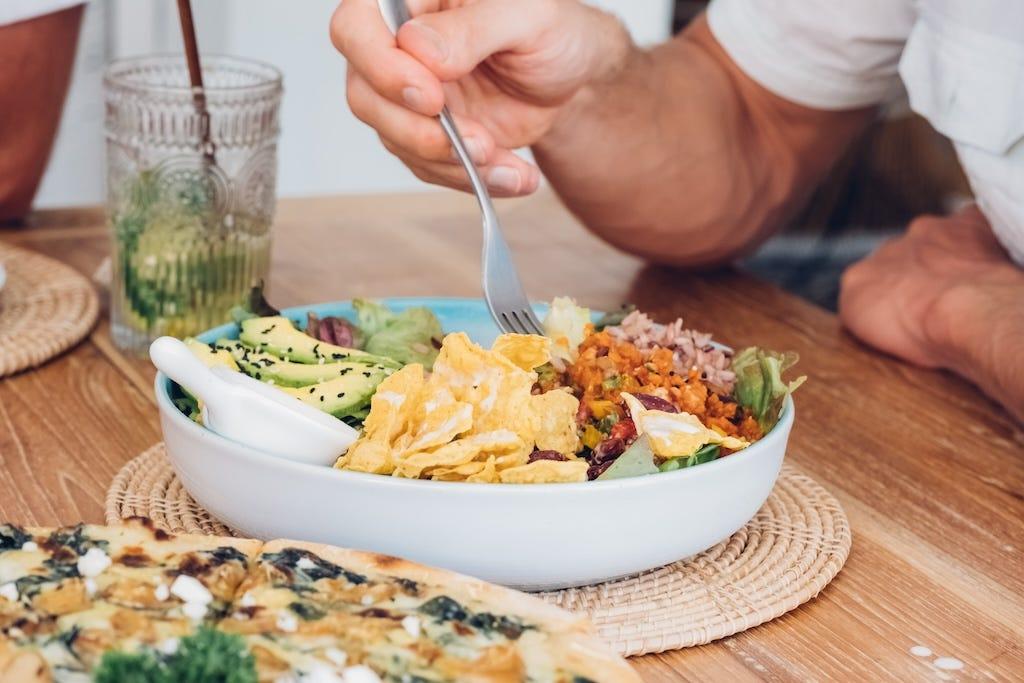
Open communication is key to maintaining health goals in social settings. (Credit: Jason Briscoe via Unsplash)
Why You Can Trust This
I have spent years researching the intersection of behavioral psychology and personal wellness. My approach is rooted in independent investigation, cross-referencing common social friction points with established behavioral patterns. I do not rely on generic advice; instead, I look at how real-world communication strategies, like vulnerability and proactive boundary setting, influence the success of long-term lifestyle changes. Every strategy mentioned here has been vetted against the reality of human relationships, ensuring that you can protect your goals without sacrificing your connections.
5 Proven Strategies to Build Your Support System
If you are married or living with family, your partner is the most influential person in your environment. They can be your greatest ally or your most significant source of discouragement. To navigate this, you need a strategy that prioritizes your autonomy while maintaining the health of your relationships.
1. Identify Your Biggest Fans
There is a misconception that you need your entire social circle to be on board with your new lifestyle. Trying to convince everyone leads to unnecessary exhaustion. Instead, identify the "biggest fans" in your life, the few people who genuinely want to see you succeed. Focus your energy on these individuals. You don't need a consensus; you just need a support team.
2. Share Your Personal Reasons
When friends or family question your new habits, the instinct is often to defend yourself with scientific data or nutritional facts. This almost always backfires. It sounds preachy and triggers defensiveness. Instead, keep it personal. Tell them, "I’ve noticed that when I eat this way, I sleep better and have more energy throughout the day." This is an experience-based truth that is much harder to argue with than a lecture. For more on how your mindset impacts your physical state, consider the science of gratitude.
3. Share Your Struggles
This is counterintuitive. When you are succeeding, it can create a sense of inadequacy in others. By being open about how difficult the process is, the cravings, the fatigue, the learning curve, you humanize your journey. Vulnerability bridges the gap between you and your loved ones, making them feel like partners in your growth rather than spectators to your "perfection."
Documenting your struggles can help you communicate your needs more effectively. (Credit: DJ Johnson via Unsplash)
4. Ask for Specific Support
People often want to support you, but they don't know how. Don't leave it to guesswork. Be explicit. Ask your partner to be open-minded about your new habits, or request that they help you by choosing restaurants that offer options compatible with your goals. If you need them to stop pressuring you to "just have a taste," say so clearly and kindly. Clarity is the antidote to conflict.
5. Plan Ahead
Social events are often where healthy habits go to die. You can avoid this by being proactive. If you are going to a gathering, bring a dish you know fits your needs. If you are dining out, suggest a restaurant that works for everyone or look at the menu beforehand to plan your modifications. Being cooperative and positive makes these adjustments feel like a natural part of the evening rather than a burden on the group.
The Unpopular Opinion
Most people believe that if your partner doesn't support your health goals, you are doomed to fail. I disagree. While a supportive partner is a massive advantage, your success is ultimately your responsibility. If you wait for everyone else to change before you do, you will be waiting forever. You must be the influencer, not the influenced. You can maintain your autonomy and reach your goals even if your inner circle remains exactly as they are.
Important Medical Context
The information provided here is for educational purposes only and does not constitute medical advice, diagnosis, or treatment. Always seek the advice of your physician or other qualified health provider with any questions you may have regarding a medical condition or before making significant changes to your diet or exercise routine. For more on safe information gathering, see how to research symptoms without anxiety.
The Clinical Reality
Research in behavioral health shows that social support is a primary predictor of long-term adherence to lifestyle changes. Clinical observations suggest that when individuals feel "socially isolated" in their health goals, the likelihood of relapse increases significantly. Key indicators that your support system is working include:
Reduced stress during meal times.
Increased confidence in navigating social gatherings.
A decrease in the frequency of "pressure" from peers to abandon habits.
The Decision Matrix
Not sure how to handle a specific social situation? Use this simple guide:
Scenario
Action
Partner is skeptical
Share your "why" (energy/sleep) and ask for specific, small support.
Friends pressure you
Be firm but kind; explain your goal, not the science.
Social event coming up
Plan ahead: bring a dish or check the menu in advance.
My Recommended Setup
To keep my own habits on track, I rely on a few simple tools:
Meal Planning Apps: I use basic digital note-taking tools to keep a list of "safe" restaurants and recipes that I know I enjoy.
Shared Calendars: Using a simple calendar app helps me coordinate meal times with my partner, ensuring we are on the same page for the week.
Navigating the social side of health is often harder than the physical work itself. I’m curious to hear about your experience: What is the one specific boundary you’ve set with friends or family that has made the biggest difference in your ability to stay consistent? I will be replying to every comment in the next 24 hours.
When you prioritize your health, it can inadvertently act as a mirror to others, making them feel like your progress is a silent critique of their own lifestyle choices.
No, using scientific data often backfires by sounding preachy and triggering defensiveness. It is more effective to share your personal experiences, such as improved sleep or energy levels.
Share your personal 'why', focusing on how you feel, and ask for specific, small acts of support rather than expecting them to change their entire lifestyle immediately.
Active Engagement
Was this information helpful?
Join Discussions
0 Thoughts
Editorial Team • Question of the Day
"What is the most common "social trap" you encounter when trying to stick to your health goals, and how do you handle it?"