Sore After a Workout? When to Push Through vs. When to Stop
Elijah TobsBy Elijah Tobs
Health
May 26, 2026 • 8:58 PM
9m9 min read
Verified
Source: Pexels
The Core Insight
This guide distinguishes between common Delayed Onset Muscle Soreness (DOMS) and the dangerous condition Rhabdomyolysis. It provides a framework for deciding whether to continue training or rest, emphasizing that while mild soreness is a normal part of muscle growth, specific red-flag symptoms require immediate medical intervention.
As the founder and primary investigative voice at Kodawire, Elijah Tobs brings over 15 years of experience in dissecting complex geopolitical and financial systems. His work is centered on the ethical governance of emerging technologies, the shifting architectures of global finance, and the future of pedagogy in a digital-first world. A staunch advocate for high-fidelity journalism, he established Kodawire to be a sanctuary for deep-dive intelligence. Moving away from the ephemeral nature of modern headlines, Kodawire delivers permanent, verified insights that challenge the status quo and empower the global reader.
The Post-Workout Dilemma: When to Push Through and When to Stop
The Short Version
Distinguish the pain: Standard soreness (DOMS) is normal; sharp, localized pain or systemic symptoms like dark urine indicate a medical emergency.
The 48-hour rule: Expect peak discomfort two days after a new or intense routine.
Active recovery: If soreness is mild, keep moving with lighter intensity to increase blood flow.
Know your limits: If pain persists beyond 7 days or performance drops, stop and consult a professional.
We have all been there. You start a new fitness routine with high energy, pushing your limits in the gym, only to wake up two days later feeling like you have been hit by a truck. Every movement, from sitting down on the couch to reaching for a coffee mug, becomes a calculated, painful endeavor. The psychological struggle is real: do you honor your commitment to progress by grinding through the stiffness, or do you listen to your body and take a rest day? Maintaining consistency in your fitness routine is vital, but it must be balanced with smart recovery.
I have spent years navigating this exact internal debate. It is easy to fall into the trap of thinking that if you aren't in pain, you aren't making progress. However, after years of observing my own training cycles and researching the physiological responses to resistance exercise, I have learned that the difference between "good" pain and "bad" pain is the most important lesson any athlete can master. Understanding your body's signals is just as important as managing stress and burnout to ensure long-term health.
Understanding the Two Types of Muscle Pain
To make an informed decision about your next workout, you must first categorize the sensation you are feeling. Not all muscle discomfort is created equal. We generally look at two distinct categories: Delayed Onset Muscle Soreness (DOMS) and the much more severe, systemic condition known as rhabdomyolysis.
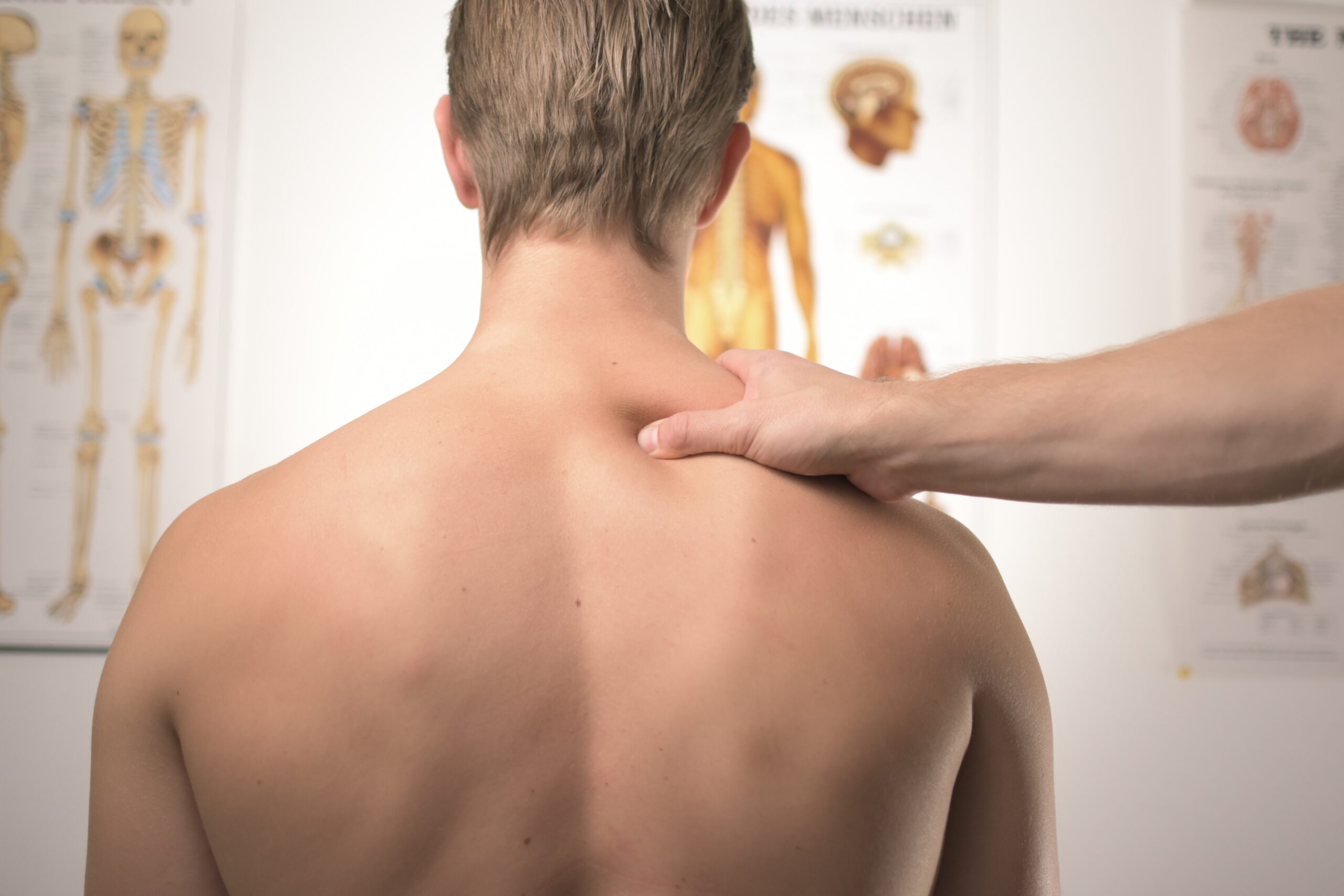
Understanding the difference between muscle soreness and injury is key to safe training. (Credit: Jonathan Borba via Pexels)
DOMS: The 'Good' Kind of Pain
Delayed Onset Muscle Soreness is the most common experience for anyone engaging in resistance training. It is caused by microscopic tears in the muscle fibers. While the term "tears" sounds alarming, it is actually a fundamental part of the muscle-building process. As these fibers repair themselves, they grow back stronger and more resilient.
"The soreness starts as early as 12 hours after an intense workout and can last several days. However, the worst pain occurs about 48 hours after the workout when you’re first starting out."
Typically, this soreness resolves on its own within three to seven days. It is a sign that you have challenged your body, and provided you allow for adequate recovery, it is a standard part of the adaptation cycle. If you are worried about your health, remember to research symptoms safely rather than jumping to worst-case conclusions.
Rhabdomyolysis: The Red Flags You Cannot Ignore
On the other end of the spectrum is rhabdomyolysis, a condition that requires immediate medical intervention. This occurs when muscle fiber death is so significant that it releases toxic substances into the bloodstream. If the kidneys cannot filter these toxins, it can lead to severe health complications, including kidney failure. According to the Centers for Disease Control and Prevention, extreme physical exertion is a known risk factor for this condition.
The Clinical Reality
Unlike the dull ache of DOMS, rhabdomyolysis presents with systemic warning signs. If you notice any of the following after a high-intensity session, seek emergency medical care immediately:
My approach to this topic is rooted in independent research and a commitment to separating fitness myths from physiological reality. I have cross-referenced the mechanics of muscle recovery with established health guidelines to ensure that the advice provided here prioritizes your long-term safety over short-term gains. I do not rely on anecdotal "gym bro" science; instead, I focus on the clear, observable markers that distinguish standard recovery from medical emergencies.
Decision Framework: When to Push and When to Pause
So, how do you decide whether to head back to the gym? If your soreness is mild, the kind that makes stairs a bit uncomfortable but doesn't prevent you from moving, it is usually safe to continue. In fact, light movement can actually help. By performing a lighter, lower-intensity version of your workout, you increase blood flow to the area, which can help flush out metabolic waste and reduce the perception of pain.
Active recovery, such as light walking, can help reduce muscle stiffness. (Credit: Magda Ehlers via Pexels)
However, if the pain feels sharp, localized, or mimics the sensation of a sprain, you must take a mandatory rest day. The "object in motion" philosophy is helpful, but it should never be used as an excuse to ignore a potential injury. If you suspect you have sprained a muscle or tendon, pushing through will only exacerbate the damage and keep you sidelined for much longer than a few days of rest would have.
The Decision Matrix
Symptom
Action
General stiffness/dull ache
Active recovery (light movement)
Sharp, localized, or "sprain-like" pain
Full rest day
Dark urine, confusion, or vomiting
Emergency Room (Immediate)
A Quick Health Disclaimer
The information provided here is for educational purposes only and does not constitute medical advice, diagnosis, or treatment. Always seek the advice of your physician or other qualified health provider with any questions you may have regarding a medical condition or before starting any new exercise program. Never disregard professional medical advice or delay in seeking it because of something you have read here.
Optimizing Your Recovery Strategy
Recovery is not just about doing nothing; it is an active process. If you find that your soreness is lingering, look at your nutrition. Increasing your protein intake provides the essential amino acids your body needs to repair those microscopic muscle tears more efficiently. Proper nutrition is as important as the endorphin-boosting benefits of exercise.
Furthermore, structure your routine to avoid overworking the same muscle groups back-to-back. A common mistake is training the same area daily, which prevents the necessary repair cycle. Rotate your focus, for example, if you hit your upper body hard on Monday, dedicate Tuesday to lower body movements or active recovery like walking. While some trainers may suggest that abdominal muscles can be trained more frequently, it is always wise to consult with a professional to tailor a routine that fits your specific recovery capacity.
The 10-Second Micro-Habit
If you are feeling stiff, don't just sit on the couch. Spend 10 seconds performing a gentle, full-range-of-motion stretch for the affected muscle group. This simple act signals your nervous system to relax and encourages blood flow without adding unnecessary stress to your fibers.
The Unpopular Opinion
Most people believe that "no pain, no gain" is the golden rule of fitness. I disagree. Pain is a communication tool from your body, not a badge of honor. If you are constantly training through severe pain, you are not building a stronger body; you are building a foundation for chronic injury. True progress is found in the balance between intensity and the discipline of recovery.
Protein-rich nutrition: Focusing on high-quality, whole-food protein sources to support tissue repair.
Activity tracking: Using a basic journal or app to monitor performance drops, which helps me identify when I need a deload week.
What Do You Think?
We have all had that one workout that left us questioning our life choices. Have you ever experienced a moment where you realized you pushed too hard, or do you have a specific recovery ritual that helps you bounce back faster? I will be replying to every comment in the first 24 hours, so let me know your experience below.
DOMS is a common, dull ache caused by microscopic muscle tears that resolves in a few days. Rhabdomyolysis is a severe, systemic condition where muscle fiber death releases toxins into the blood, requiring immediate emergency medical care.
Delayed Onset Muscle Soreness (DOMS) typically resolves on its own within three to seven days.
If the soreness is mild, you can engage in active recovery, such as light movement or a lower-intensity version of your workout, to increase blood flow and help flush out metabolic waste.
Seek emergency care if you experience severe muscle pain, dark or brown-colored urine, irregular heartbeat, dizziness, confusion, or persistent vomiting.
Active Engagement
Was this information helpful?
Join Discussions
0 Thoughts
Editorial Team • Question of the Day
"What is the one sign that tells you it is time to stop your workout and take a rest day?"