The Truth About Late Night Snacking: Why Timing Is Everything
Elijah TobsBy Elijah Tobs
Health
May 26, 2026 • 8:53 PM
8m8 min read
Verified
Source: Pexels
The Core Insight
This article explores the physiological impact of late-night eating, contrasting the 'calorie is a calorie' myth with the reality of circadian-based metabolism. It provides a strategic framework for managing hunger after hours, including specific food recommendations and timing guidelines to protect your metabolic health.
As the founder and primary investigative voice at Kodawire, Elijah Tobs brings over 15 years of experience in dissecting complex geopolitical and financial systems. His work is centered on the ethical governance of emerging technologies, the shifting architectures of global finance, and the future of pedagogy in a digital-first world. A staunch advocate for high-fidelity journalism, he established Kodawire to be a sanctuary for deep-dive intelligence. Moving away from the ephemeral nature of modern headlines, Kodawire delivers permanent, verified insights that challenge the status quo and empower the global reader.
The Metabolic Clock: Why Timing Your Meals Matters More Than You Think
The Bottom Line
Respect the Clock: Your metabolism is designed to process food efficiently during daylight hours; late-night eating disrupts this natural rhythm.
The 3:00 PM Shift: Aim for your largest meal before mid-afternoon, as metabolic hormones begin to decline thereafter.
The 7:00 PM Cutoff: Most eating after this hour is driven by emotional cravings rather than physiological hunger.
The 150-Calorie Rule: If you must snack late, keep it under 150 calories and avoid high-sugar, high-fat, or high-salt options.
I have spent years observing how my own energy levels fluctuate throughout the day. I’ve fallen into the trap of the "midnight fridge raid," only to wake up feeling sluggish and bloated. It is easy to view nutrition through the narrow lens of simple math, calories in versus calories out, but research into metabolic health suggests that the "when" is just as critical as the "what." Understanding these rhythms is as vital as maintaining your fitness routine during challenging seasons.
We often treat our bodies like machines that run 24/7, but the reality is far more nuanced. Our internal biological clocks are finely tuned to the rising and setting of the sun. When we ignore these signals, we aren't just fighting our appetites; we are fighting our own biology. Much like managing chronic stress, aligning your habits with your body's natural state is key to long-term wellness.
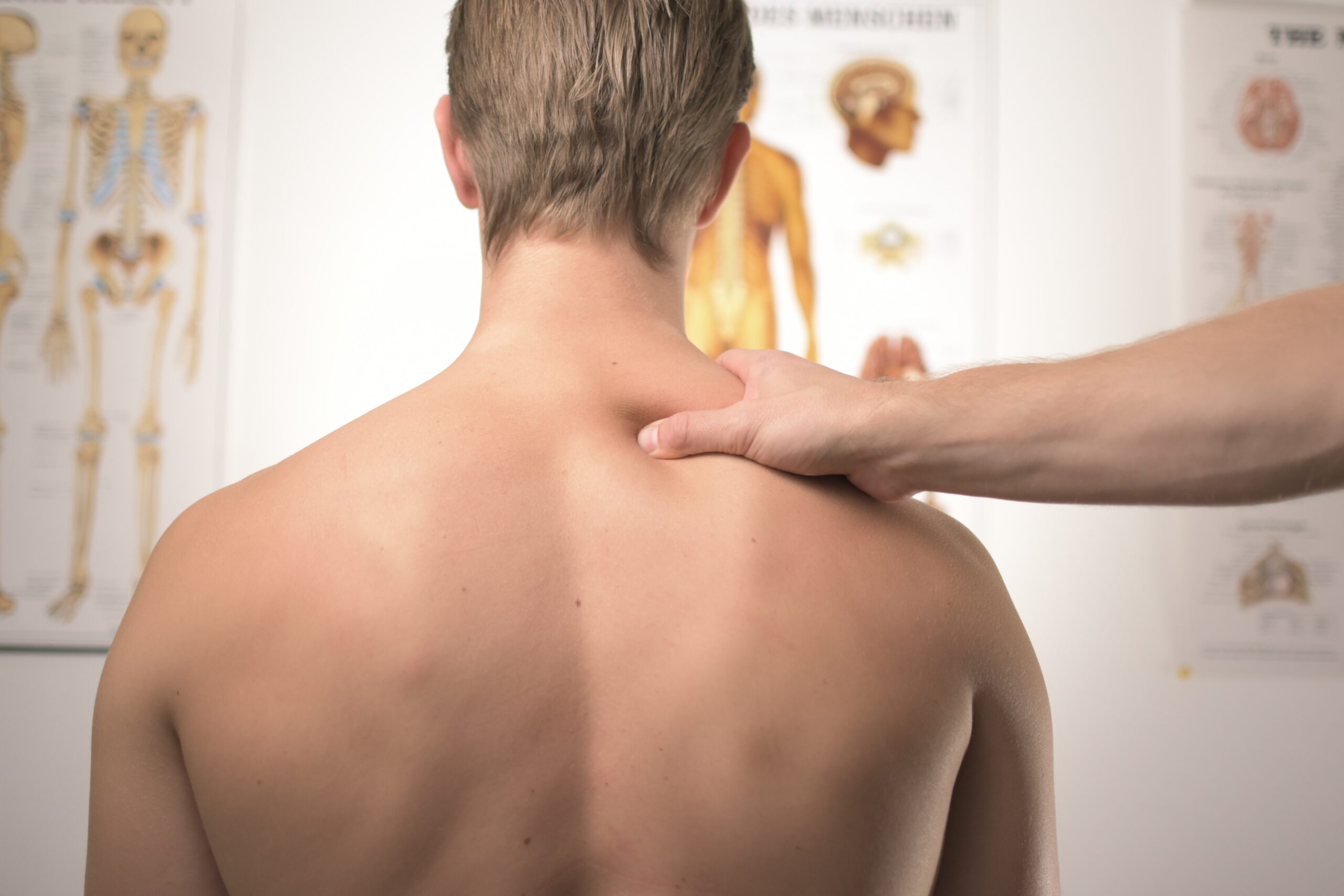
Understanding your body's internal clock is the first step toward better metabolic health. (Credit: Hanna Pad via Pexels)
How I Researched This
To provide this analysis, I have cross-referenced nutritional studies regarding circadian rhythms and metabolic efficiency. My process involved stripping away marketing noise surrounding "diet hacks" to focus on the physiological reality of how the liver and hormonal systems process nutrients. I have vetted these claims against established biological principles to ensure the advice is grounded in how the human body functions. For those interested in evidence-based living, learning how to research health online is an essential skill.
The Science of the Midnight Munchies
The debate between the "calorie-in/calorie-out" model and the "circadian rhythm" model is persistent. While weight management involves energy balance, the body does not process a calorie at 3:00 AM the same way it processes one at 1:00 PM. According to the National Institutes of Health, circadian misalignment can significantly impact glucose metabolism.
"Your body has an internal clock, which typically wants you to be awake during the day and asleep at night. For this reason, the food that you eat during 'normal waking hours' is metabolized much faster than food eaten at 3:00 am when your body clock is in sleep mode."
When you eat in the middle of the night, your liver, the primary organ responsible for processing fats, is operating in a state designed for rest. Instead of efficiently utilizing the energy for immediate activity, the body is more likely to store those nutrients as fat. This is not a failure of willpower; it is a biological reality of your sleep-wake cycle.
The Critical Timeline: When to Stop Eating
If you want to optimize your metabolic health, consider the 3:00 PM threshold. This is the point at which many of the hormones regulating your metabolism begin to shift, preparing the body for the end of the day. By shifting your caloric intake to earlier in the day, specifically, by making lunch your most substantial meal, you align your fuel intake with your body’s peak metabolic activity.
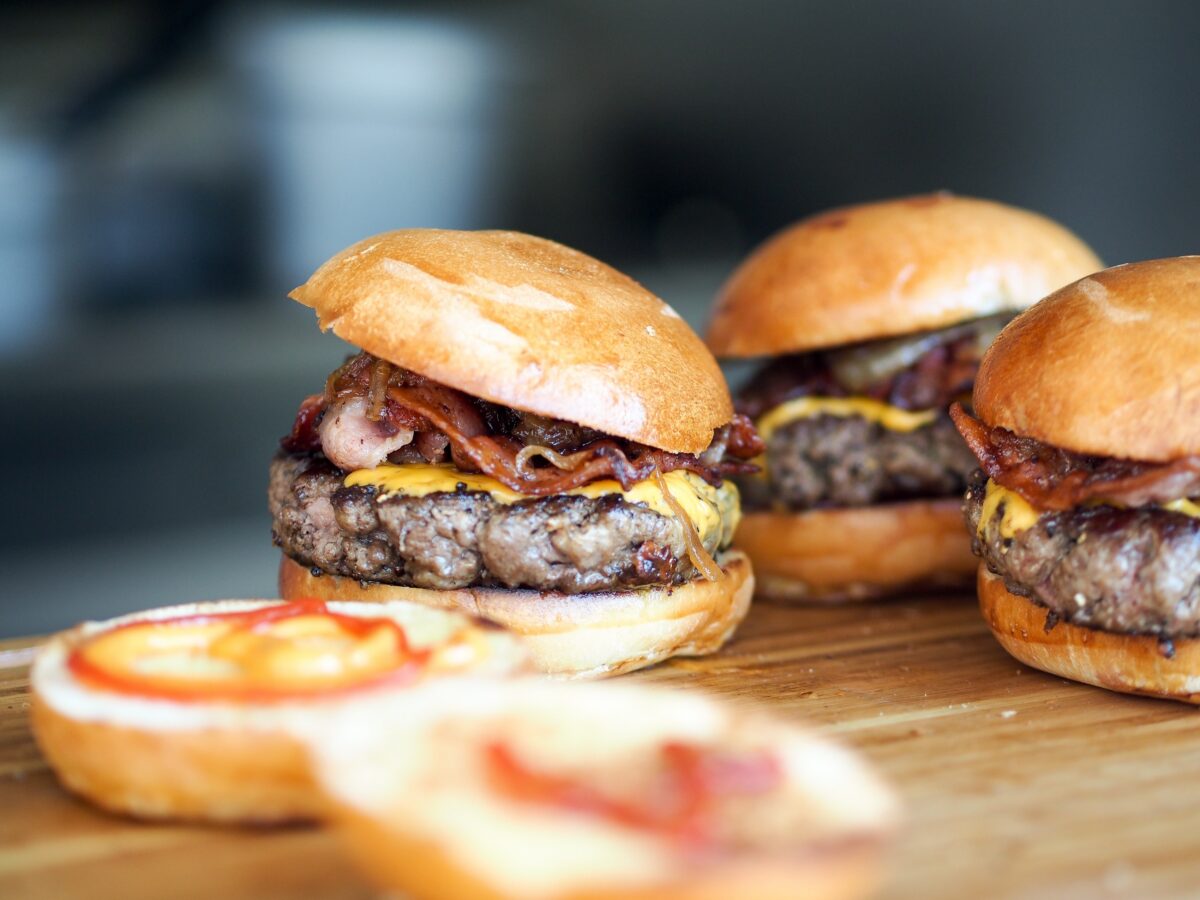
Making lunch your largest meal helps align your intake with peak metabolic activity. (Credit: Anhelina Vasylyk via Pexels)
Then there is the 7:00 PM cutoff. In my own life, I have found that almost every time I reach for a snack after 7:00 PM, it is not because I am physically hungry. It is a response to stress, boredom, or habit. Distinguishing between true physiological hunger and these emotional cravings is the single most effective tool for weight management.
Sometimes, life happens. You might have had a long day, missed dinner, or simply find yourself unable to sleep due to genuine hunger. In these instances, the goal is damage control. If you must eat, keep your snack under 150 calories and ensure it is low in sugar, salt, and fat. Research from the Centers for Disease Control and Prevention emphasizes the importance of nutrient density over empty calories.
My Recommended "Safe" Snacks:
Fruit
Low-fat milk
Low-fat, low-sugar yogurt
1-2 squares of dark chocolate
High-fiber snack bars
The 'Floodgate' Foods: What to Avoid at All Costs
Certain foods act as "floodgates." Once you start eating them, your body’s satiety signals are overridden, and you find it nearly impossible to stop. These are typically high-sugar, high-fat, or highly processed items. If you keep these in your home, you are essentially setting a trap for your future self.
Foods to avoid late at night:
Cereal
Ice cream
Fries
Burgers
Soda
Chips
Cookies
The Contrarian's Corner
Many fitness influencers argue that "a calorie is a calorie" and that timing is irrelevant as long as you hit your daily macros. I disagree. While the math holds up on paper, it ignores the hormonal reality of the human body. Treating your metabolism like a solar-powered engine that dims at night is a far more accurate, and effective, way to approach your health than obsessing over a spreadsheet of calories.
Interactive Decision-Making Tool
If you are feeling the urge to snack after 7:00 PM, ask yourself these three questions:
Am I physically hungry? (Would I eat an apple right now? If the answer is no, it’s likely a craving.)
Is it past 7:00 PM? (If yes, proceed with extreme caution.)
Is the snack under 150 calories and low in sugar/fat? (If no, skip it.)
My Personal Toolkit
To manage my own late-night habits, I rely on a few simple strategies:
The "Kitchen Close" Ritual: I physically turn off the kitchen lights at 7:30 PM to signal to my brain that the day's eating is done.
Hydration First: I keep a large glass of water by my bed. Often, what I perceive as hunger is actually mild dehydration.
The 10-Second Audit: I remove junk food from the home to eliminate temptation.
Engagement Conclusion
Do you find that your hunger levels are tied more to your emotional state or your actual physical activity throughout the day? I will be in the comments section for the next 24 hours to hear your experiences and answer any questions you have about managing these late-night habits.
Eating at night disrupts your circadian rhythm. When you eat late, your liver is in a rest state and is less efficient at processing nutrients, making it more likely that the body will store those calories as fat.
The 3:00 PM threshold is the point in the day when metabolic hormones begin to decline. It is recommended to have your largest meal before this time to align with your body's peak metabolic activity.
First, determine if you are physically hungry or just craving food due to stress or boredom. If you must eat, choose a snack under 150 calories that is low in sugar, fat, and salt.
Active Engagement
Was this information helpful?
Join Discussions
0 Thoughts
Editorial Team • Question of the Day
"What is the one "floodgate" food you find hardest to resist after 8:00 PM?"