The Raw Food Diet: Why Cooking Your Meals Might Actually Be Better
Elijah TobsBy Elijah Tobs
Health
May 26, 2026 • 8:54 PM
9m9 min read
Verified
Source: Pexels
The Core Insight
This article examines the scientific validity of the raw food diet, which emphasizes unprocessed fruits, vegetables, seeds, and nuts. While proponents argue that cooking destroys vital enzymes, the evidence suggests that the human body produces its own digestive enzymes and that cooking actually enhances the bioavailability of certain nutrients, neutralizes anti-nutrients like lectins, and eliminates harmful bacteria. The article concludes that a balanced approach, incorporating both raw and cooked foods, is the most effective strategy for long-term health.
As the founder and primary investigative voice at Kodawire, Elijah Tobs brings over 15 years of experience in dissecting complex geopolitical and financial systems. His work is centered on the ethical governance of emerging technologies, the shifting architectures of global finance, and the future of pedagogy in a digital-first world. A staunch advocate for high-fidelity journalism, he established Kodawire to be a sanctuary for deep-dive intelligence. Moving away from the ephemeral nature of modern headlines, Kodawire delivers permanent, verified insights that challenge the status quo and empower the global reader.
Don't fear the stove: Cooking is not "toxic"; it is a vital tool for neutralizing anti-nutrients and ensuring food safety.
Enzymes are internal: Your body produces its own digestive enzymes, so you don't need to rely on the ones found in raw plants.
Prioritize balance: Aim for the USDA-recommended 5–9 servings of fruits and vegetables daily, but don't feel pressured to eat them all raw.
Watch for gaps: If you lean heavily into raw eating, you must monitor your intake of protein, calcium, and Vitamin D, which are often lacking.
I have spent years navigating the landscape of nutritional trends. From low-carb waves to intermittent fasting, there is always a new "optimal" way to eat. Recently, the raw food diet has regained traction, promising that by avoiding heat, we can unlock a more natural state of being. As someone who values both culinary tradition and clinical evidence, I wanted to look past the marketing and see what the science actually says about the raw food philosophy. If you are looking to improve your overall wellness, it is important to stop Googling your symptoms and rely on verified clinical data instead.
The Raw Food Diet: Separating Fact from Fiction
At its core, the raw food diet is defined by the consumption of unprocessed, unpasteurized foods. Proponents typically fill their plates with fruits, vegetables, seeds, and nuts, while strictly avoiding anything that has been subjected to high heat. The philosophy is rooted in a specific claim: that cooking destroys the natural enzymes in food and renders cooked food inherently toxic to the human body.
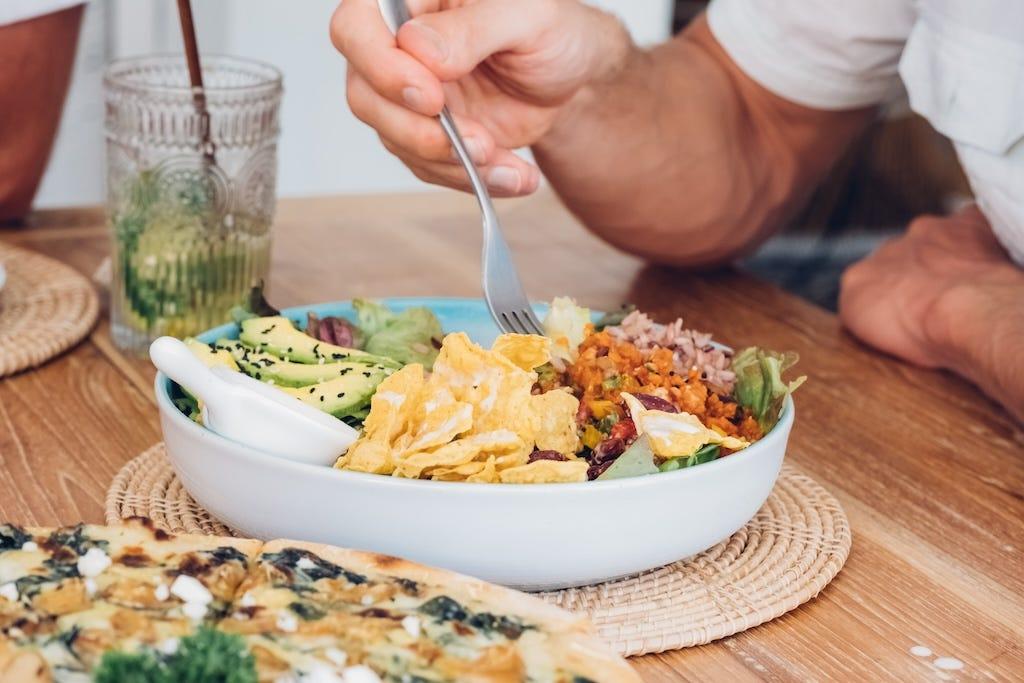
Raw produce is a staple of the raw food diet, but is it superior to cooked food? (Credit: Levent Tatli via Pexels)
When I first encountered this argument, it sounded intuitive. We often associate "natural" with "better." However, when we examine the biological reality, the narrative that cooking is a destructive process begins to fall apart. It is true that heat denatures enzymes, but the leap from that observation to the idea that cooked food is harmful is a significant one that lacks a foundation in human physiology.
A Quick Health Disclaimer
The information provided here is for educational purposes only and does not constitute medical advice, diagnosis, or treatment. Nutritional needs are highly individual. Before making significant changes to your diet, especially if you have underlying health conditions or are considering restrictive eating patterns, please consult with a qualified healthcare provider or a registered dietitian.
The Science of Enzymes and Digestion
The "enzyme destruction" argument is the most common pillar of the raw food movement. The logic goes that because heat breaks down enzymes, we are left with "dead" food that forces our bodies to work harder. But this ignores how our digestive system actually functions. Much like how we must manage the physiological reality of stress to maintain health, we must understand that our bodies are built to handle various food states.
Your body is a highly efficient machine that produces its own digestive enzymes. You do not need to rely on the enzymes present in a carrot or an apple to break down your meal. Furthermore, even if you were to consume food-based enzymes, they would be rendered inactive by the highly acidic environment of your stomach. Your stomach acid is designed to break down proteins and neutralize various compounds; it makes no distinction between "raw" and "cooked" enzymes. Relying on food-based enzymes for digestion is, biologically speaking, unnecessary.
The Other Side of the Story
Many people believe that "raw" is synonymous with "nutrient-dense." While raw produce is certainly healthy, the idea that cooking is a net negative for nutrition is a common misconception. In reality, cooking is a form of pre-digestion. By breaking down tough cellular structures, heat makes certain nutrients more bioavailable, meaning your body can actually absorb them more effectively than it could from the raw version of the same food.
There is a trade-off involved in cooking, but it is not as one-sided as many suggest. It is true that water-soluble vitamins, such as Vitamin C and the B-complex vitamins, can be reduced during the cooking process. However, this loss is often offset by the increased availability of other antioxidants and phytonutrients that are locked away in the raw, fibrous structures of plants.
Steaming is an effective way to retain nutrients while improving digestibility. (Credit: Yaroslav Shuraev via Pexels)
Beyond nutrient availability, cooking serves a critical role in food safety and digestibility:
Neutralizing Anti-nutrients: Many grains and legumes contain lectins and phytic acid. These are natural defense mechanisms for plants, but in humans, they can inhibit the absorption of essential minerals. Cooking effectively neutralizes these compounds.
The Safety Factor: This is the most critical point. Proponents of raw diets sometimes include raw meat, fish, eggs, and unpasteurized dairy. From a clinical perspective, this introduces a significant risk of foodborne illness. Cooking is the most reliable method we have for eliminating harmful bacteria like Salmonella or E. coli.
The Clinical Reality
When evaluating the health impact of a diet, we look at both the benefits and the potential risks. Research consistently shows that high-fiber, low-sodium, and low-fat diets, which are common in raw-heavy eating, are associated with lower blood pressure and a reduced risk of heart disease, kidney disease, and diabetes. However, clinical observation also highlights common nutritional gaps in strictly raw diets, specifically regarding protein, calcium, and Vitamin D. If you are moving toward a raw-heavy lifestyle, these are the specific areas where you must ensure you are meeting your daily requirements, often through supplementation.
The Real Benefits of a Raw-Heavy Diet
There is a reason the raw food movement has gained such a dedicated following. By focusing on whole, unprocessed fruits and vegetables, individuals naturally increase their fiber intake while reducing their consumption of processed fats and sodium. This shift is almost guaranteed to support weight management and improve metabolic markers. The sheer volume of vitamins and minerals found in a diet rich in fresh produce is undeniably beneficial for long-term health.
However, the "all or nothing" approach is where the danger lies. You can achieve these same health outcomes, lower blood pressure, better weight management, and reduced disease risk, without the risks associated with raw meat or the nutritional deficiencies caused by avoiding cooked legumes and grains.
The Decision Matrix
If you are considering how to incorporate more raw foods into your life, use this simple guide:
If you want more energy: Focus on increasing your intake of raw leafy greens and fruits as snacks.
If you want better nutrient absorption: Continue cooking your vegetables (like carrots and tomatoes) to unlock antioxidants.
If you are concerned about safety: Always cook your proteins (meat, fish, eggs) and stick to pasteurized dairy.
My Recommended Setup
I don't follow a strict diet, but I do use a few tools to ensure I'm getting the best of both worlds:
A high-quality steamer: This allows me to cook vegetables just enough to make them digestible while retaining most of their water-soluble vitamins.
A reliable food thermometer: Essential for ensuring that when I do cook proteins, they reach a safe internal temperature without being overcooked.
What Do You Think?
Do you find that you feel better when you eat more raw foods, or do you prefer the comfort and digestibility of cooked meals? I will be replying to every comment in the first 24 hours, so let me know your experience with balancing these two approaches.
No. While cooking can reduce some water-soluble vitamins like Vitamin C, it also makes other nutrients more bioavailable by breaking down tough cellular structures in plants.
No. Your body produces its own digestive enzymes. Furthermore, any enzymes consumed in raw food are typically neutralized by stomach acid during digestion.
Strictly raw diets can lead to nutritional deficiencies in protein, calcium, and Vitamin D. Additionally, consuming raw animal products like meat, eggs, or unpasteurized dairy carries a significant risk of foodborne illness.
Active Engagement
Was this information helpful?
Join Discussions
0 Thoughts
Editorial Team • Question of the Day
"If you had to choose between a diet of only raw foods or only cooked foods, which would you pick and why?"