Stop Buying Blind: The Secret to Choosing Native Plant Cultivars
Elijah TobsBy Elijah Tobs
Garden
May 26, 2026 • 9:31 PM
7m7 min read
Verified
Source: Unsplash
The Core Insight
Navigating the world of native plants requires more than just picking the prettiest photo on a label. Sam Hoadley of Mt. Cuba Center explains that not all cultivars are created equal, and understanding the difference between 'straight species,' 'selections,' and 'heavily bred cultivars' is essential for supporting local pollinators. By learning to read plant labels and understanding the history of a plant's introduction, gardeners can make informed choices that balance aesthetic needs with ecological impact.
As the founder and primary investigative voice at Kodawire, Elijah Tobs brings over 15 years of experience in dissecting complex geopolitical and financial systems. His work is centered on the ethical governance of emerging technologies, the shifting architectures of global finance, and the future of pedagogy in a digital-first world. A staunch advocate for high-fidelity journalism, he established Kodawire to be a sanctuary for deep-dive intelligence. Moving away from the ephemeral nature of modern headlines, Kodawire delivers permanent, verified insights that challenge the status quo and empower the global reader.
The Native Plant Dilemma: Why Your Label Might Be Lying
If you’re shopping for native plants with the goal of supporting local pollinators, choosing based on the prettiest picture on a nursery tag is a recipe for disappointment. We’ve all been there, standing in the garden center, lured by a vibrant, "doubled" flower, only to realize later that it’s an ecological dead end. The nursery industry often prioritizes aesthetics over function, and understanding the difference between a "straight species" and a "cultivar" is the only way to ensure your garden actually feeds the bees and butterflies you’re trying to attract. If you are looking to simplify your maintenance, consider low-maintenance plant pairings that work with your local ecosystem.
What You Need to Know
Prioritize Straight Species: These are the wild-type plants that offer the highest genetic diversity and ecological value.
Read the Label Carefully: Look for full binomial nomenclature (Genus + species). Avoid complex patent codes or trade names.
Beware of "Doubled" Flowers: If a flower looks like a pom-pom, it has likely been bred to replace nectar-producing parts with sterile petals.
Use Cultivars Strategically: In formal HOA or suburban settings, simple selections can bridge the gap between traditional aesthetics and native plant goals.
I’ve spent years getting my hands dirty in the soil, and I’ve learned that not all "native" plants are created equal. When we talk about "straight species," we’re talking about the wild-type baseline, plants that haven't been manipulated in a lab. These plants carry the genetic diversity necessary to survive climate shifts and support specialist insects. In contrast, many "cultivars" are clones, produced via tissue culture or cuttings. While this ensures consistency, it strips away the genetic insurance policy that nature provides. For those managing smaller spaces, you can still achieve a lush look by using compact cottage garden techniques that prioritize native selections.
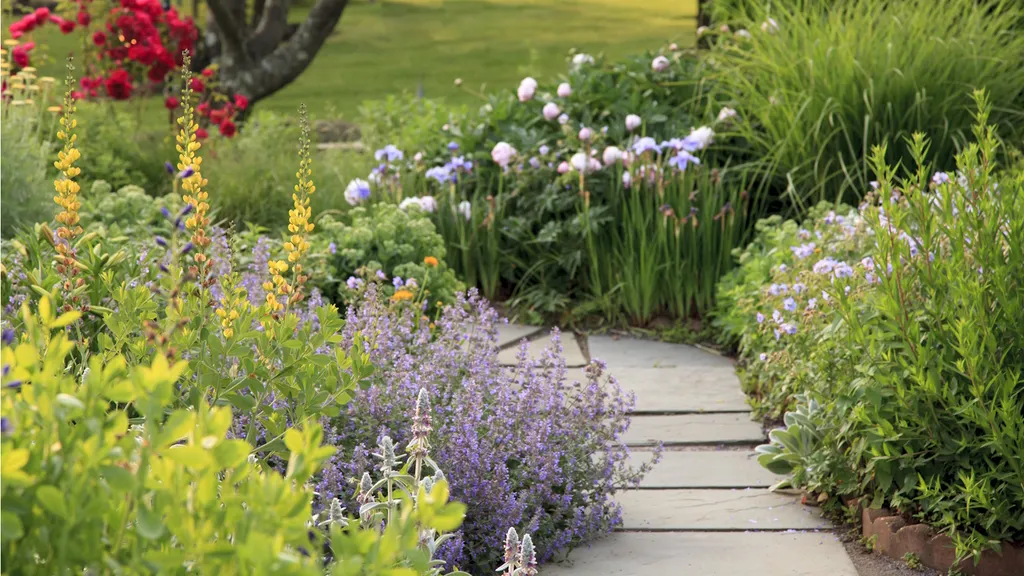
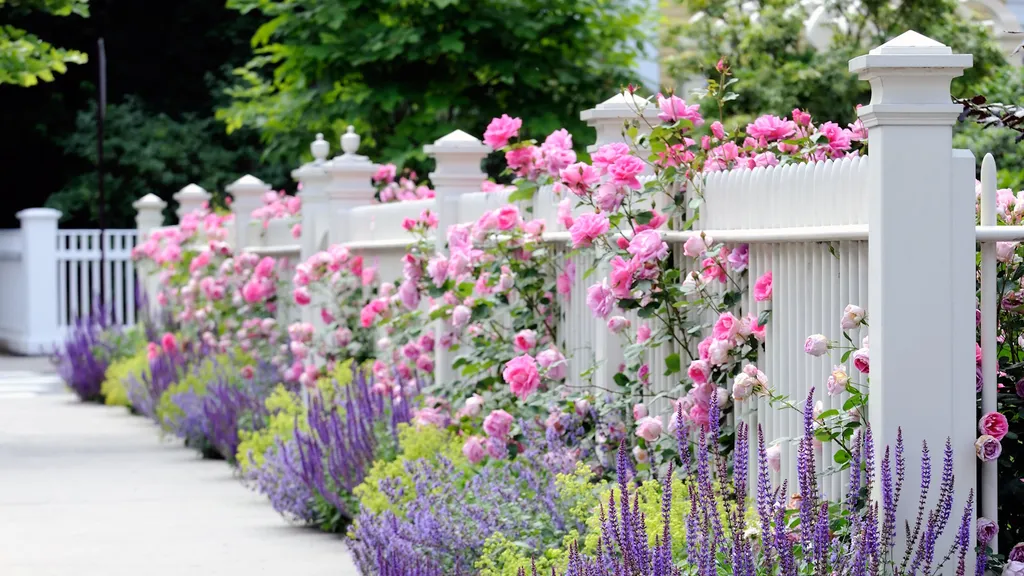
Straight species plants provide essential nectar and pollen for local pollinators. (Credit: Jon Tyson via Unsplash)
Why You Can Trust This
My perspective is rooted in years of hands-on gardening and research into horticultural science. I’ve cross-referenced industry standards with evidence-based trials from institutions like the Mt. Cuba Center, which conducts multi-year, rigorous testing on native plant performance. I don't rely on marketing fluff; I look at the science of how plants interact with the local ecosystem.
Working With the Seasons
Timing is everything. For restoration projects, you should always aim to plant in the spring or fall when soil moisture is consistent. If you are in a region with harsh winters, focus on planting early enough in the fall to allow for root establishment before the ground freezes. In warmer zones, spring planting is often safer to avoid the stress of summer heatwaves. If you are planning your seasonal layout, check out this strategic planting guide to ensure your garden thrives through the heat.
It’s easy to get caught up in the "cultivar vs. species" debate, but the reality is more nuanced. Some cultivars are simply "selections", plants found in the wild that were chosen for their natural beauty, like the stunning Phlox paniculata ‘Jeana.’ These aren't lab-made monsters; they are natural variations that humans simply decided to propagate. The danger lies in the heavily bred hybrids that have been stripped of their pollen and nectar resources.
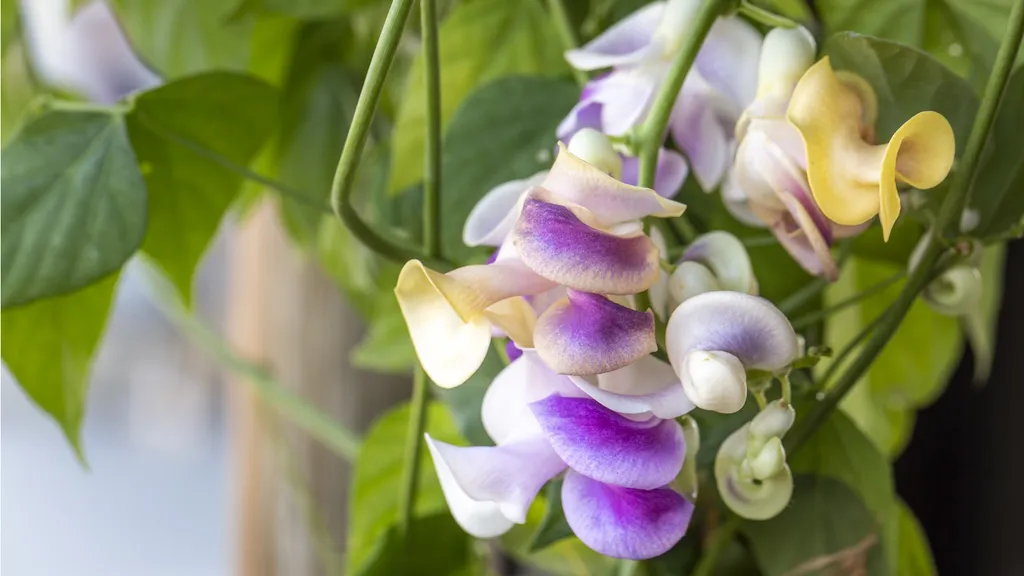
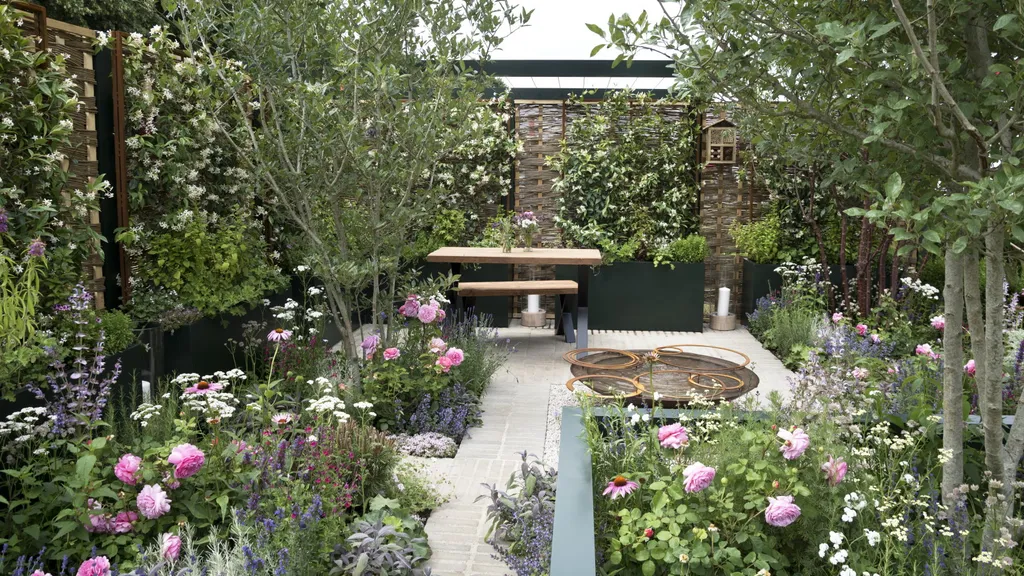
Always check the botanical name on the tag to distinguish between straight species and cultivars. (Credit: Aaron Burden via Unsplash)
The Other Side of the Story
Many purists argue that you should never plant a cultivar. I disagree. If you live in a strict HOA or a neighborhood where "wild" is frowned upon, a well-behaved, native-derived cultivar is infinitely better than a non-native invasive species. It’s about "pitching a bigger tent", getting more people to start the native plant journey, even if they begin with a selection rather than a wild-type.
The Natural Approach
To keep your garden truly sustainable, prioritize seed-grown plants whenever possible. If you must buy a cultivar, look for those that haven't been chemically treated with systemic pesticides, which can linger in the plant tissue and harm the very pollinators you’re trying to invite. For more on sustainable practices, read about the strategic neglect method to reduce your workload while maintaining a healthy garden.
The Decision Matrix
Are you restoring a meadow or wild area? Always choose local, seed-grown straight species.
Are you planting a formal border in a suburban yard? A simple, non-doubled selection is a great, high-value compromise.
Does the plant have a patent code or "gibberish" name? Skip it. It’s likely a highly manipulated hybrid with low ecological value.
My Recommended Setup
I rely on the Mt. Cuba Center Trial Reports to vet my plant choices before I head to the nursery. For tracking my own garden's progress, I use a simple field notebook to record which plants actually attract bees and which ones just sit there looking pretty. No fancy apps required, just observation.
Do you prioritize "straight species" in your garden, or do you find that certain cultivars are essential for keeping your neighbors happy while still supporting local wildlife? I’ll be in the comments for the next 24 hours to hear your experiences.
A straight species is a wild-type plant that has not been manipulated by humans, maintaining high genetic diversity. A cultivar is a plant that has been bred or cloned for specific traits, which can sometimes result in the loss of nectar or pollen resources.
Doubled flowers are often bred to have extra petals, which frequently replace the reproductive parts of the flower (nectaries and pollen), making them useless to pollinators.
Not necessarily. While some are heavily manipulated, others are 'selections', natural variations found in the wild that are propagated for their beauty. These can be a useful compromise in formal garden settings.
Active Engagement
Was this information helpful?
Join Discussions
0 Thoughts
Editorial Team • Question of the Day
"Have you ever discovered a "wild selection" in your own backyard that you thought was worth propagating?"