Ditch the Lawn: The Secret to a Low-Maintenance Gravel Garden
Elijah TobsBy Elijah Tobs
Garden
May 26, 2026 • 9:28 PM
7m7 min read
Verified
Source: Unsplash
The Core Insight
Gravel gardening is emerging as a premier solution for climate-resilient, low-maintenance landscaping. By replacing water-intensive lawns with a deep layer of gravel and deep-rooted perennials, gardeners can create stunning, drought-defying spaces that thrive with minimal intervention. This guide explores the design versatility of gravel gardens, from small-scale troughs to expansive landscapes, and highlights the specific plant palettes that succeed in these unique environments.
As the founder and primary investigative voice at Kodawire, Elijah Tobs brings over 15 years of experience in dissecting complex geopolitical and financial systems. His work is centered on the ethical governance of emerging technologies, the shifting architectures of global finance, and the future of pedagogy in a digital-first world. A staunch advocate for high-fidelity journalism, he established Kodawire to be a sanctuary for deep-dive intelligence. Moving away from the ephemeral nature of modern headlines, Kodawire delivers permanent, verified insights that challenge the status quo and empower the global reader.
Gravel Gardening: The Future of Sustainable Landscapes
The Bottom Line
Ditch the Lawn: Gravel gardens thrive in full sun, replacing water-hungry turf with resilient, low-maintenance beauty.
Root Depth Matters: Choose deep-rooted perennials; avoid shallow-rooted plants like creeping sedums that struggle in gravel.
Signal Intent: Use "cues for care", like formal hedges or sculpture, to ensure your garden looks intentional, not neglected.
The Pipe Trick: Use embedded pipes filled with soil to plant annuals without disturbing your gravel layer.
I’ve spent years wrestling with thirsty lawns and the endless cycle of weeding, but lately, I’ve found a better way. Gravel gardening is a shift toward climate-resilient design. By laying down a 6-inch bed of gravel, you create a landscape that suppresses weeds and conserves water, effectively putting your garden on "cruise control" once it’s established. If you are looking for other ways to reduce your workload, check out these low-maintenance gardening strategies to keep your space thriving without the physical strain.
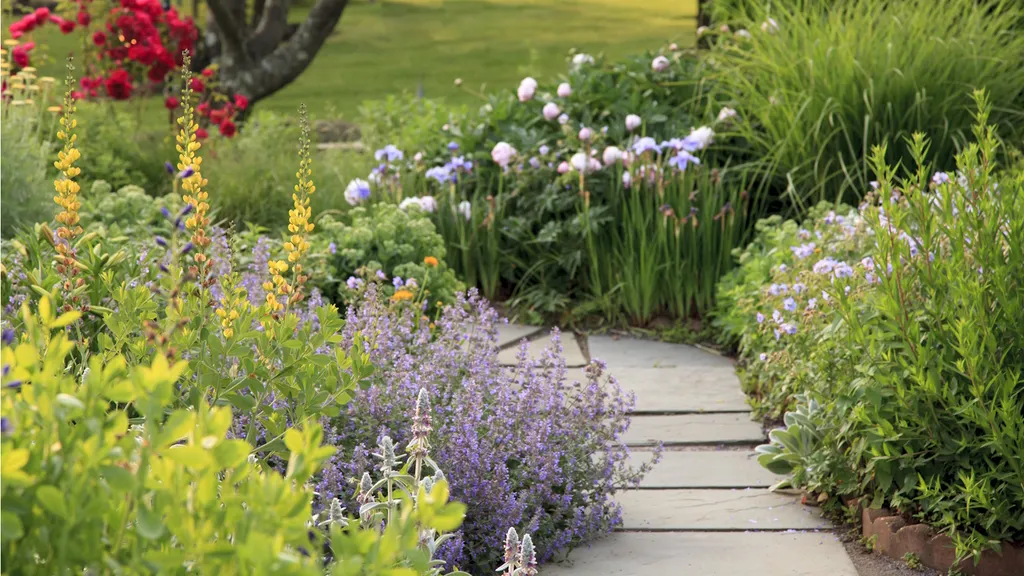
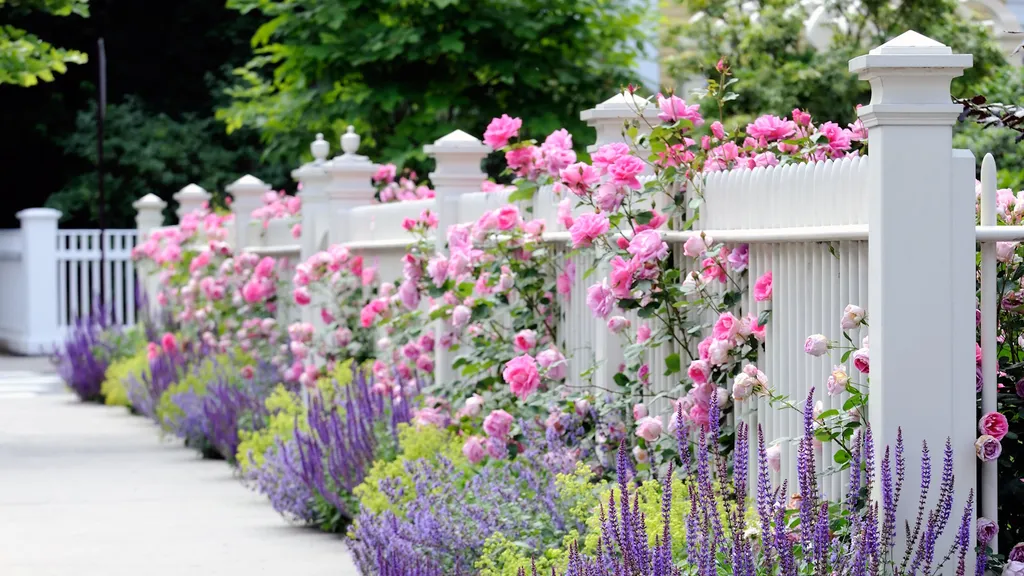
Gravel gardens offer a sophisticated, drought-tolerant alternative to traditional turf lawns. (Credit: J. Young Jeong via Unsplash)
Why You Can Trust This
I’ve spent my career with my hands in the soil, and I’ve learned that the best advice comes from those who have failed as much as they’ve succeeded. I’ve vetted these techniques against the work of experts like Jeff Epping and Lisa Roper, whose gardens prove that gravel is a versatile medium. I don’t rely on theory; I rely on the hard-won lessons of horticulturists who have successfully converted everything from small troughs to multi-acre sites into thriving, drought-defying ecosystems.
Designing for Intent: The 'Cues for Care' Concept
The biggest hurdle for most gardeners is the fear that a gravel garden will look like a neglected lot. The secret is "cues for care." When you introduce formal elements, like a clipped hornbeam hedge, a clean stone edge, or a well-placed sculpture, you signal to the eye that this space is curated. It’s the difference between a wild, messy patch and a sophisticated, naturalistic design. For more inspiration on how to structure your space, explore these pro tricks to soften your garden path.
Working With the Seasons
Gravel gardens are remarkably forgiving, but timing is key. Planting is best done when the soil is workable and temperatures are moderate, allowing deep-rooted perennials to establish before the heat of summer. In colder zones, focus on hardy prairie plants that can handle the freeze-thaw cycle, while in warmer climates, you have the luxury of incorporating agaves and cacti that thrive in the sharp drainage gravel provides. For a successful start, consider these strategic planting categories to ensure your garden is ready for the season.
The Golden Rules of Plant Selection
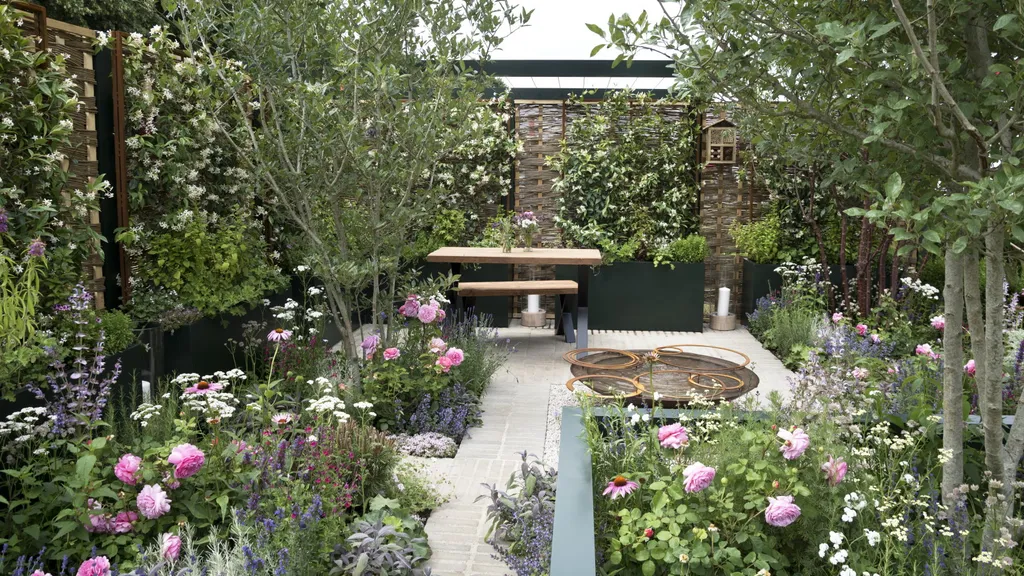
Not every drought-tolerant plant belongs in a gravel garden. I’ve learned the hard way that creeping sedums and catmint (Nepeta) often fail because they lack the deep root systems required to thrive in a gravel bed. Instead, look for prairie-native perennials and hardy bulbs. Bulbs are particularly brilliant here; because the gravel keeps them dry during dormancy, you avoid the rot that often kills them in rich, organic garden soil.
Selecting the right deep-rooted perennials is essential for long-term success in gravel. (Credit: vadim kaipov via Unsplash)
The Natural Approach
Sustainability is the core of this method. By eliminating the need for supplemental watering and chemical weed control, you’re working with nature rather than against it. If you want to add annuals for a splash of color, don't break the gravel seal. Use the "pipe trick": bury 6-to-8-inch sections of clay or metal pipe, fill them with soil, and plant your annuals inside. It’s a clean, organic way to get your seasonal fix without disrupting the entire bed.
The Unpopular Opinion
Most people think gravel gardens are just for alpine plants or rock gardens. That’s a mistake. Gravel is a medium, not a style. You can grow lush, romantic, and even prairie-inspired landscapes in gravel. If you’re limiting yourself to tiny, stunted rock-garden plants, you’re missing out on the true potential of this technique.
The Lazy Gardener's Shortcut
If you’re intimidated by a full-scale conversion, start with a trough. It’s the perfect way to test the concept on a balcony or patio. You get all the benefits of drainage and low maintenance in a footprint that takes less than an hour to set up. You can even try these low-maintenance plant pairings to get your container garden started quickly.
The Decision Matrix
Which gravel project is right for you?
The Beginner: Start with a single trough or a small 3x3 foot patch.
The Improver: Convert a neglected border or a leaky fountain into a gravel bed.
The Visionary: Replace a high-maintenance lawn section with a full-scale perennial gravel garden.
My Recommended Setup
To get started, I rely on a few essentials: a high-quality, clean gravel (avoiding fine dust), a sturdy spade for deep planting, and a selection of deep-rooted perennials like Calamintha nepeta or prairie grasses. Keep a few clay pipes on hand for those seasonal annuals, and you’re set.
Have you experimented with gravel gardening yet, even if only in a trough planting? Are you curious? I’ll be checking the comments for the next 24 hours to answer your questions and hear about your own garden experiments.
A 6-inch bed of gravel is recommended because it effectively suppresses weeds and provides the necessary drainage to conserve water, allowing the garden to thrive with minimal maintenance.
'Cues for care' are formal design elements, such as clipped hedges, stone edges, or sculptures, that signal to the viewer that the garden is intentionally curated rather than neglected.
You can use the 'pipe trick': bury 6-to-8-inch sections of clay or metal pipe, fill them with soil, and plant your annuals inside the pipes to avoid disturbing the surrounding gravel layer.
Active Engagement
Was this information helpful?
Join Discussions
0 Thoughts
Editorial Team • Question of the Day
"If you were to replace a section of your lawn with a gravel garden, which plant would be the first one you’d choose to anchor the space?"