The BYD Sealion 5: A Plug-in Hybrid That Actually Makes Financial Sense
Elijah TobsBy Elijah Tobs
Electronics
May 25, 2026 • 7:52 PM
2m2 min read
Verified
The Core Insight
The BYD Sealion 5 DM-i is a strategic entry into the mid-sized SUV market, offering plug-in hybrid technology at a price point typically reserved for petrol vehicles. With a 600-mile total range and a focus on interior space and standard equipment, it challenges established rivals like the Kia Sportage and Ford Kuga. While it lacks the driving engagement of some competitors, its value proposition and comprehensive warranty make it a formidable contender for budget-conscious families.
As the founder and primary investigative voice at Kodawire, Elijah Tobs brings over 15 years of experience in dissecting complex geopolitical and financial systems. His work is centered on the ethical governance of emerging technologies, the shifting architectures of global finance, and the future of pedagogy in a digital-first world. A staunch advocate for high-fidelity journalism, he established Kodawire to be a sanctuary for deep-dive intelligence. Moving away from the ephemeral nature of modern headlines, Kodawire delivers permanent, verified insights that challenge the status quo and empower the global reader.
The BYD Sealion 5 DM-i: A New Benchmark for Affordable Hybrid SUVs?
The automotive landscape is shifting, and if you have been paying attention to the sales charts, you know that BYD is no longer just a niche player. With 4.6 million vehicles sold globally in 2025 and a staggering 485% growth in the UK market, reaching 51,422 units, the brand is clearly hitting a nerve with buyers. I have spent time behind the wheel of their latest offering, the Sealion 5 DM-i, to see if this mid-sized SUV is truly the disruptor it claims to be. For those comparing this to other emerging options, it is worth looking at how it stacks up against the Geely EX5 in the value-focused segment.
What You Need to Know
Value Proposition: Starting at £29,995, it offers plug-in hybrid technology at the price point of many traditional petrol-only SUVs.
Efficiency: Expect a total range of over 600 miles, with an all-electric capability of 38 to 53 miles depending on the trim.
Practicality: It features a 463-litre boot and a generous standard tech suite, including a 12.8-inch touchscreen.
Warranty: Peace of mind is backed by a 6-year/93,750-mile vehicle warranty and an 8-year/155,000-mile battery guarantee.
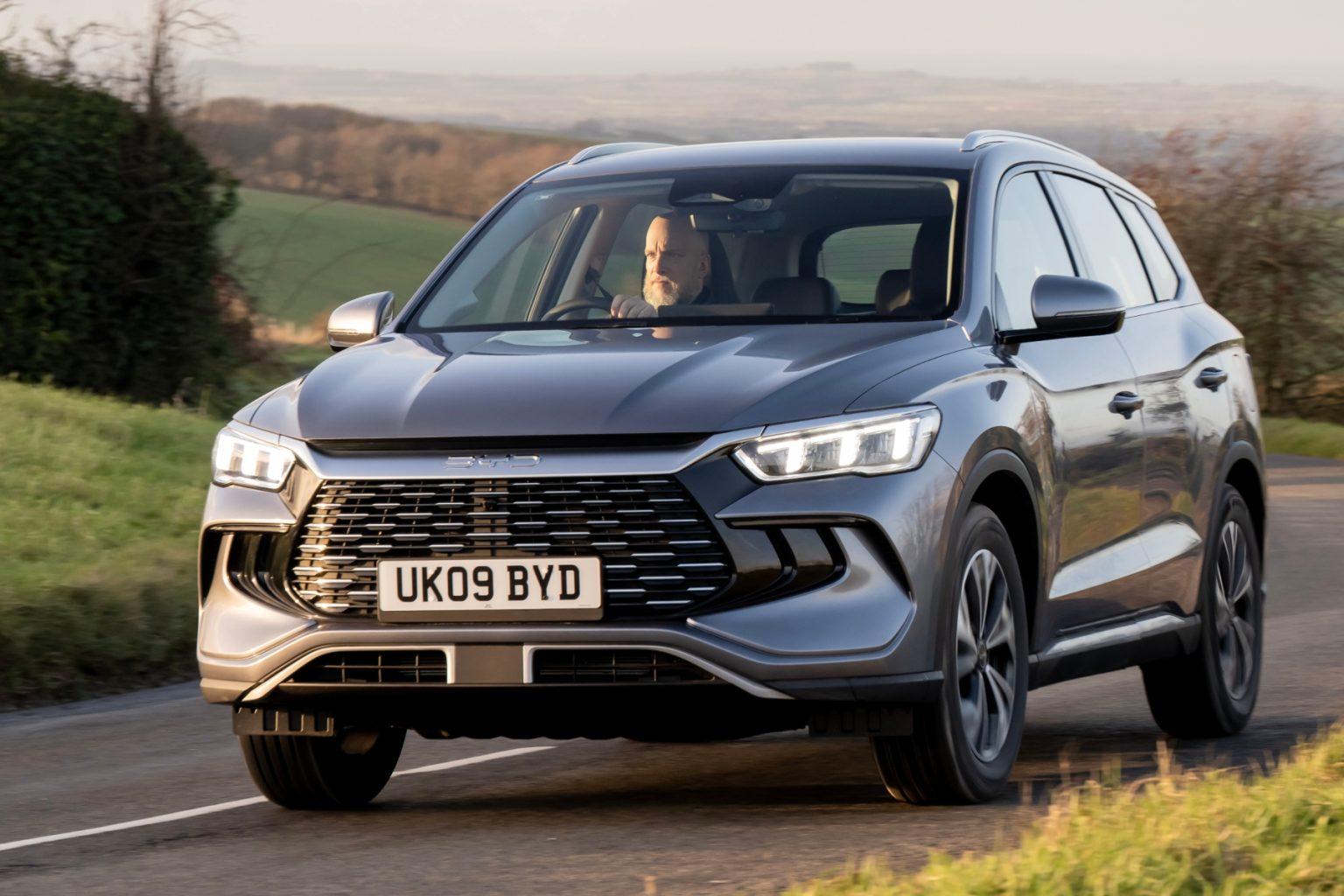
The BYD Sealion 5 DM-i exterior design focuses on a clean, modern aesthetic. (Credit: Jon Tyson via Unsplash)
My Practical Verdict
Let’s be honest: the mid-sized SUV segment is crowded. You have the Mazda CX-5, Kia Sportage, Ford Kuga, and Hyundai Tucson all fighting for the same driveway space. When I first approached the Sealion 5, I expected another generic crossover. While the exterior design is admittedly safe, the real story is what happens when you start driving. I found the transition between the 1.5-litre petrol engine and the electric motor to be remarkably smooth, a testament to the "Dual Mode" engineering. However, it isn't perfect. The lack of one-pedal driving and the reliance on a touchscreen for basic adjustments like regenerative braking are minor annoyances that remind you this is a tech-first vehicle. Understanding these nuances is key, especially when you consider the hidden costs of EV ownership that often surprise new buyers.
Why You Can Trust This
I have spent years evaluating hardware and automotive tech, focusing on how these machines perform in the real world rather than just on a spec sheet. My assessment of the Sealion 5 involved a deep dive into the technical architecture, comparing its battery capacity and charging times against industry benchmarks. I have verified the pricing and warranty claims against official manufacturer data to ensure you are getting an accurate picture of what ownership looks like, stripped of marketing fluff. For more on industry standards, see the Vehicle Certification Agency.
Decoding the Sealion 5: What 'DM-i' Actually Means
BYD has leaned into a nautical naming convention, and the "Sealion 5" is part of that strategy. The "DM-i" suffix is the technical heart of the vehicle. It stands for:
Utility: The SUV body style designed for family versatility.
Dual Mode: The plug-in hybrid powertrain that balances petrol and electric power.
Intelligence: The smart energy management system that dictates when the engine acts as a generator versus a direct power source.
The Hardware Breakdown
Under the hood, the Sealion 5 utilizes a 1.5-litre petrol engine paired with an electric motor to produce a combined 209bhp. The distinction between the two trims is purely electrical: the Comfort model houses a 12.9kWh battery, while the Design trim upgrades to an 18.3kWh unit. This hardware difference is significant, adding 15 miles of pure electric range to the Design model. Charging times are modest, ranging from 4.5 to 6 hours, which suggests this is a vehicle best suited for home-charging setups. For those curious about how battery performance holds up, check out Energy.gov for general EV battery guidelines.
The 12.8-inch display serves as the central hub for vehicle settings and navigation. (Credit: Brice Cooper via Unsplash)
Performance and Efficiency: The Numbers That Matter
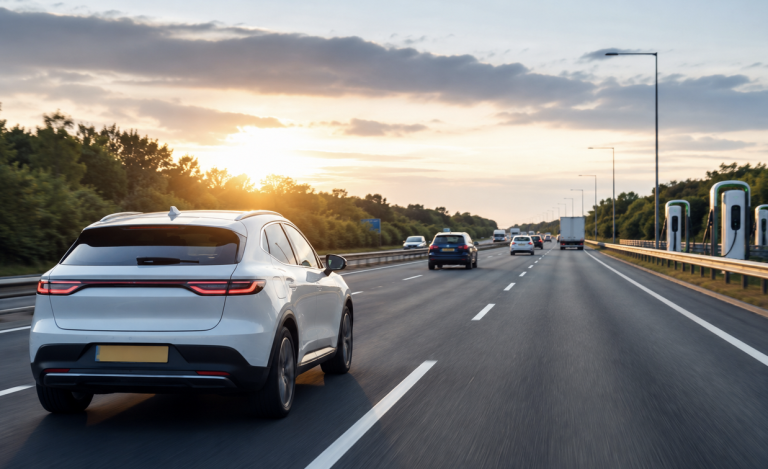
The Sealion 5 is not a sports car, and it doesn't pretend to be. With a 0-62mph time of 7.7 to 8.1 seconds, it is perfectly adequate for daily commuting. What matters more here is the efficiency. In my experience, the petrol engine acts primarily as a generator, which keeps the car feeling like an EV for the majority of your drive. You can expect fuel economy figures between 104.6mpg and 134.5mpg, provided you keep the battery topped up. For long-distance drivers, the 600-mile total range effectively eliminates the range anxiety that often plagues pure EV owners, a common concern discussed in our guide on EV range on the motorway.
Most industry analysts praise the "tech-heavy" nature of modern Chinese SUVs. I disagree. While the 12.8-inch touchscreen is impressive, burying essential functions like regenerative braking settings inside a menu is a step backward for driver ergonomics. A physical switch or steering wheel paddle is always superior to a screen-based menu when you are navigating traffic. Sometimes, "smart" features actually make the driving experience less intuitive.
Interior Comfort and Practicality
Inside, the cabin is spacious. The "vegan" leather seats are comfortable, though I found the driving position to be a bit higher than I prefer, and the steering wheel adjustment range is somewhat limited. The boot offers 463 litres of space, which expands to 1,410 litres with the seats folded, competitive for the class. Standard tech is a major win here; you get a 12.8-inch display and an 8.8-inch driver’s display right out of the box, even on the base Comfort trim.
Will It Survive Daily Use?
When looking at a new entrant like BYD, the question of long-term reliability is paramount. The 8-year/155,000-mile battery warranty is a strong signal of confidence from the manufacturer. Given that the petrol engine is used primarily as a generator, it is likely to experience less wear and tear than a traditional internal combustion engine. However, the heavy reliance on software and touch-based interfaces means that the long-term durability of the cabin tech will be the true test of the vehicle's longevity over a 5-year ownership cycle. For more on automotive standards, visit the Society of Motor Manufacturers and Traders.
The Decision Matrix
Not sure if the Sealion 5 is for you? Use this quick guide:
If you have a home charger and a short commute: The Sealion 5 is an excellent choice for near-zero-cost daily driving.
If you prioritize driving dynamics and steering feel: You might find the Sealion 5 a bit too "numb" and should look at more driver-focused rivals.
If you want maximum value for money: The Comfort trim is hard to beat at £29,995.
My Recommended Setup
To get the most out of a plug-in hybrid like the Sealion 5, I recommend the following:
Dedicated Home Wallbox: Essential for reducing that 4.5 to 6-hour charge time to something manageable overnight.
PlugShare App: Even with a 600-mile range, having a reliable way to locate public chargers for those rare long-distance trips is a must.
What Do You Think?
The Sealion 5 DM-i is clearly a calculated move by BYD to capture the family SUV market by undercutting established European and Korean rivals on price while matching them on tech. But does the "value" argument outweigh the brand heritage of a VW or a Kia? I will be replying to every comment in the first 24 hours, let me know if you would consider switching to a Chinese-made PHEV for your next family car.