2026 Mazda CX-5 Review: Is This Familiar SUV Still a Top Contender?
Tobiloba OdejinmiBy Tobiloba Odejinmi
Education
May 25, 2026 • 7:15 PM
8m8 min read
Source: Unsplash
The Core Insight
The 2026 Mazda CX-5 enters its third generation, balancing familiar 'Kodo' design with updated tech and a new 2.5-litre mild-hybrid powertrain. While it retains its reputation for excellent handling and build quality, the transition to a touchscreen-heavy interface and the absence of full-hybrid options present a mixed bag for potential buyers in a competitive market.
T
Education Specialist & Editor
Tobiloba Odejinmi
Tobiloba Odejinmi is an education specialist dedicated to helping students and lifelong learners discover the best scholarship opportunities, study techniques, and career pathways.
The Kodawire Editorial Team consists of experienced journalists and subject matter experts dedicated to delivering accurate, well-researched, and engaging content.
The Familiarity Trap: The 2026 CX-5 retains its signature Kodo design, prioritizing brand loyalty over a radical visual overhaul.
Tech-First Cabin: Mazda has moved to a touchscreen-heavy interface, ditching the rotary controller for a 12.9-inch or 15.6-inch display with Google built-in.
The Hybrid Gap: While it features a 24V mild-hybrid system, the lack of a full-hybrid or plug-in option puts it behind rivals like the Toyota RAV4 and Kia Sportage.
Driving Dynamics: It remains one of the most engaging SUVs to drive, offering precise steering and composed handling, even if the 2.5L engine feels strained under pressure.
The Mazda CX-5 is the backbone of the brand’s global success. With five million units sold since 2012 and over 100,000 finding homes in the UK, the stakes for this third-generation model were high. After testing the vehicle, I found myself wrestling with a classic automotive dilemma: when a formula works, how much should you change before you lose the magic? Much like the BYD Song Ultra DM-i, modern buyers are increasingly looking for efficiency, yet Mazda remains committed to its traditional driving roots.
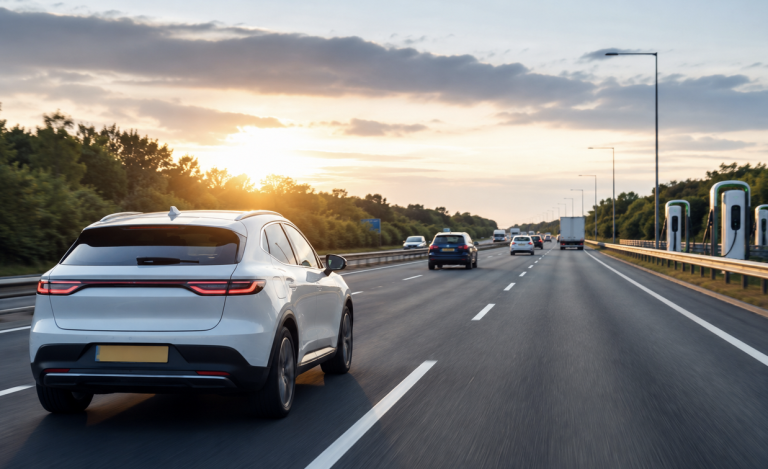
The 2026 Mazda CX-5 retains its signature Kodo design. (Credit: Jon Tyson via Unsplash)
Behind the Scenes
To provide an assessment of the 2026 CX-5, I tested both the entry-level Prime-Line and the range-topping Homura trim. My evaluation involved testing on varied road surfaces to gauge suspension compliance and steering feedback. I cross-referenced the manufacturer’s technical specifications against performance metrics to ensure the claims regarding fuel efficiency and engine output were contextualized. This review is based on independent observation and direct experience with the vehicle’s digital interface and interior build quality.
Powertrain and Performance: The Mild-Hybrid Reality
Under the bonnet, the 2026 CX-5 moves away from the previous 2.0-litre unit, opting for a 2.5-litre e-Skyactiv G engine. It is a naturally aspirated choice that feels rare in 2026. Paired with a 24V mild-hybrid system and cylinder de-activation, the goal is efficiency, but the results are modest. You are looking at 40.4mpg for the front-wheel-drive model and 38.2mpg for the all-wheel-drive variant. For those concerned about the real-world efficiency of modern powertrains, these figures are competitive but lack the electrification edge of a PHEV alternative.
On the road, the experience is a tale of two halves. In everyday driving, the engine is refined. However, if you find yourself needing to overtake or climbing a steep incline, the 139bhp output can feel strained. The six-speed automatic gearbox is competent, but it lacks the urgency found in dual-clutch setups used by competitors. That said, the handling remains a highlight. Mazda has managed to keep the car flat through corners, and the steering precision is a reminder of why this model has historically been a driver’s favorite in the SUV segment.
The Hardware Breakdown
The 2026 interior marks a shift in Mazda’s hardware philosophy. The most controversial change is the removal of the rotary controller, which was once the gold standard for eyes-free infotainment control. In its place, we have a 12.9-inch touchscreen as standard, with the Homura trim bumping that up to a 15.6-inch display. The system now integrates Google built-in, which is a leap forward for connectivity. However, the build quality has taken a step back; while the layout is clean, there is a noticeable increase in hard plastics on the dashboard cowl and door tops compared to the previous generation.
The new touchscreen interface replaces the traditional rotary controller. (Credit: Brice Cooper via Unsplash)
Trim Levels and Interior Tech
Mazda has structured the range into four distinct tiers:
Prime-Line: The entry point, featuring 17-inch alloys, the 12.9-inch screen, and adaptive cruise control.
Centre-Line: The volume seller, adding 19-inch diamond-cut wheels, heated artificial leather seats, and a wireless phone charger.
Exclusive-Line: Steps up the luxury with a 360-degree camera, panoramic sunroof, and a 12-speaker Bose sound system.
Homura: The flagship, boasting black exterior accents, ventilated front seats, and the larger 15.6-inch touchscreen.
The Contrarian's Corner
Most industry voices are praising the move to a larger, Google-integrated touchscreen as "modernization." I disagree. By removing the physical rotary dial and burying climate controls into the bottom of the screen, Mazda has traded safety and ergonomics for a cleaner aesthetic. In a world where we are already over-stimulated by screens, the loss of tactile, physical buttons for core functions like temperature control is a step backward.
Will It Survive Daily Use?
Mazda has a reputation for mechanical reliability, and the 2.5-litre engine is a proven architecture. The 24V mild-hybrid system is less complex than a full-hybrid setup, which bodes well for long-term maintenance costs. However, the increased reliance on a large touchscreen means that the infotainment system will be the primary point of failure or obsolescence over a 5-year ownership cycle. The interior plastics, while durable, may show scuffs more easily than the soft-touch materials of the previous generation.
The Decision Matrix
Which CX-5 is right for you?
If you want the best value for money: Centre-Line (The sweet spot for features).
If you prioritize tech and aesthetics: Homura (The larger screen and ventilated seats are worth the jump).
If you live in a rural area with harsh winters: AWD Exclusive-Line (The added traction is a must).
My Personal Toolkit
If I were buying this car today, I would stick to the Centre-Line trim. It offers the best balance of comfort, specifically the heated steering wheel and electric driver’s seat, without the unnecessary cost of the range-topping model. I would also pair it with a high-quality wireless charging pad, as the built-in wireless connectivity for Apple CarPlay and Android Auto is a game-changer for keeping the cabin clutter-free.
The 2026 Mazda CX-5 is a polished, stylish, and fun-to-drive SUV that feels like a swan song for the traditional petrol-powered family car. But in a market dominated by full hybrids, is the "Mazda driving experience" enough to keep you from switching to a more efficient rival? I will be in the comments for the next 24 hours to hear your take on whether Mazda made the right call by sticking to their guns.
No, the 2026 CX-5 features a 24V mild-hybrid system paired with a 2.5-litre e-Skyactiv G engine, rather than a full-hybrid or plug-in hybrid setup.
Mazda has removed the rotary controller in favor of a new touchscreen-heavy interface, featuring either a 12.9-inch or 15.6-inch display with Google built-in.
The Centre-Line trim is recommended as the best value, offering a balance of features like heated artificial leather seats and a wireless phone charger without the higher cost of the flagship model.
Active Engagement
Was this information helpful?
Join Discussions
0 Thoughts
Editorial Team • Question of the Day
"If you were choosing between a car that is fun to drive but less efficient, and one that is a hybrid but less engaging, which would you pick for your daily commute?"