The Suzuki e Vitara: Is This the Most Practical Budget EV Yet?
Elijah TobsBy Elijah Tobs
Electronics
May 25, 2026 • 7:19 PM
2m2 min read
Verified
The Core Insight
Suzuki enters the European EV market with the e Vitara, a compact SUV developed alongside the Toyota Urban Cruiser. Positioned as a durable, practical, and competitively priced option, it offers three powertrain configurations, including an AWD 'eAllGrip' model. While it faces stiff competition from established European and emerging Chinese brands, its standout feature is a 10-year warranty program, making it a compelling choice for long-term ownership.
As the founder and primary investigative voice at Kodawire, Elijah Tobs brings over 15 years of experience in dissecting complex geopolitical and financial systems. His work is centered on the ethical governance of emerging technologies, the shifting architectures of global finance, and the future of pedagogy in a digital-first world. A staunch advocate for high-fidelity journalism, he established Kodawire to be a sanctuary for deep-dive intelligence. Moving away from the ephemeral nature of modern headlines, Kodawire delivers permanent, verified insights that challenge the status quo and empower the global reader.
Suzuki has finally entered the European electric vehicle market with a pragmatic strategy. While many manufacturers have spent the last decade chasing high-end performance or futuristic aesthetics, Suzuki has leaned into its core identity: building affordable, durable, and practical vehicles. The new e Vitara is the result of this philosophy, marking the brand’s first 100% electric offering. Understanding how this fits into the broader EV ownership landscape is essential for potential buyers.
What You Need to Know
The Sweet Spot: The 61kWh front-wheel-drive model offers the best balance of range (264 miles) and performance for most drivers.
Warranty Advantage: Suzuki offers a potential 10-year/100,000-mile warranty, provided you maintain annual servicing at an authorized dealership.
Practicality First: While the interior avoids "plush" materials, it features clever sliding rear seats and physical climate controls that prioritize daily usability.
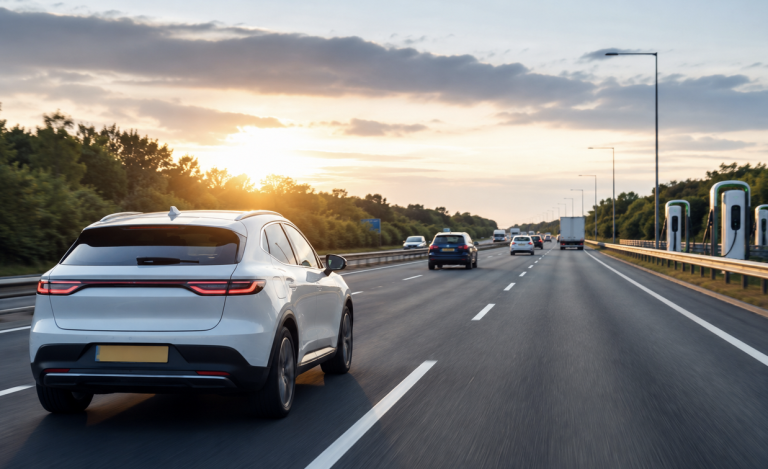
Charging Reality: With a 70kW peak charging speed, it isn't the fastest on the market, but it includes a standard heat pump to maintain efficiency in colder climates.
The Practical Verdict
I have spent enough time behind the wheel of various compact SUVs to know that "on-paper" specs rarely tell the whole story. When I look at the e Vitara, I don't see a car trying to win a drag race; I see a vehicle designed for the school run, the weekly shop, and the occasional weekend trip. It feels honest. The suspension is on the firmer side, you will feel the potholes on a rainy Tuesday, but the trade-off is a car that stays remarkably flat through corners. It is a sensible, no-nonsense approach that feels refreshing in a market currently obsessed with over-engineering. If you are concerned about how real-world range holds up on longer journeys, this vehicle prioritizes consistency over peak performance.
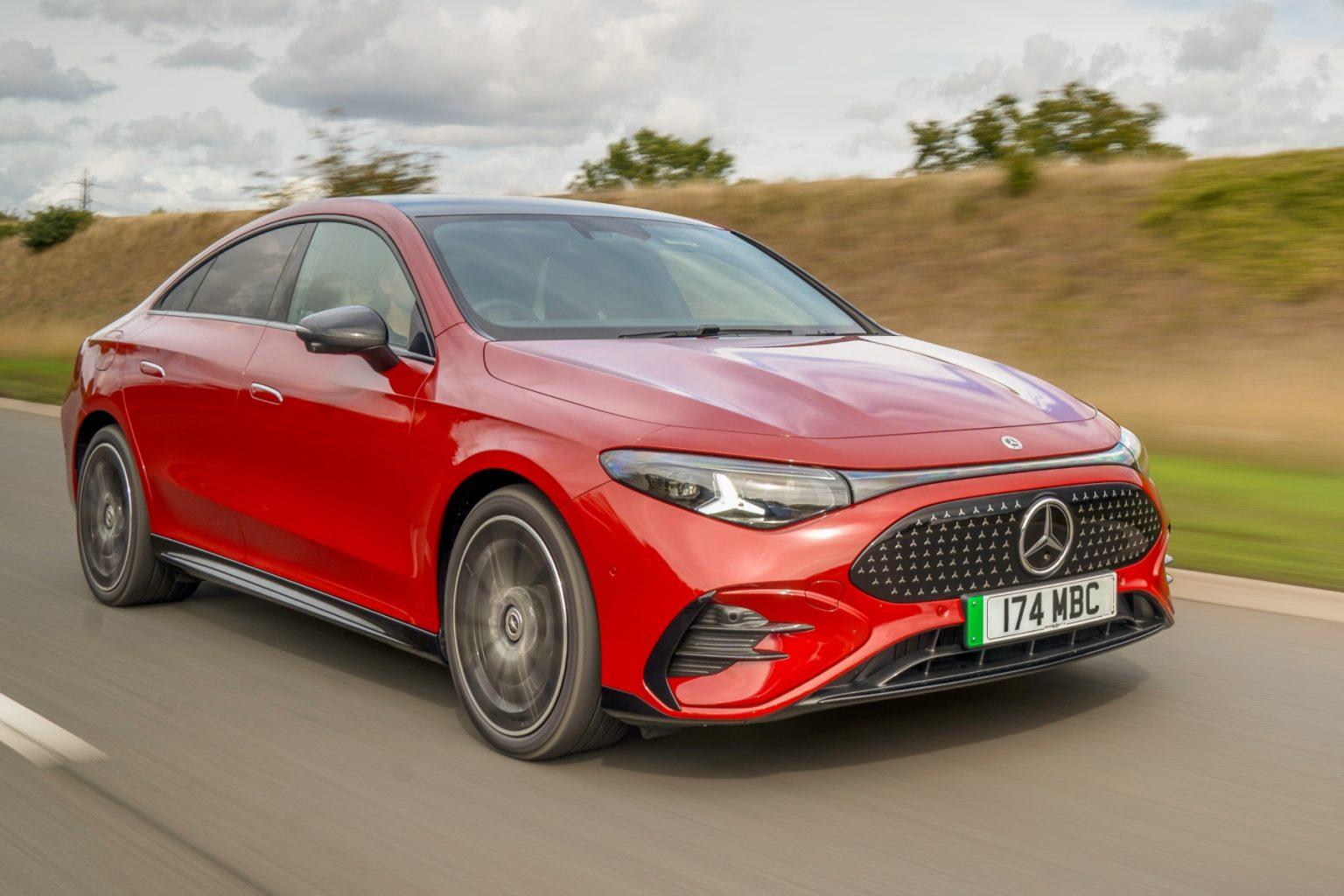
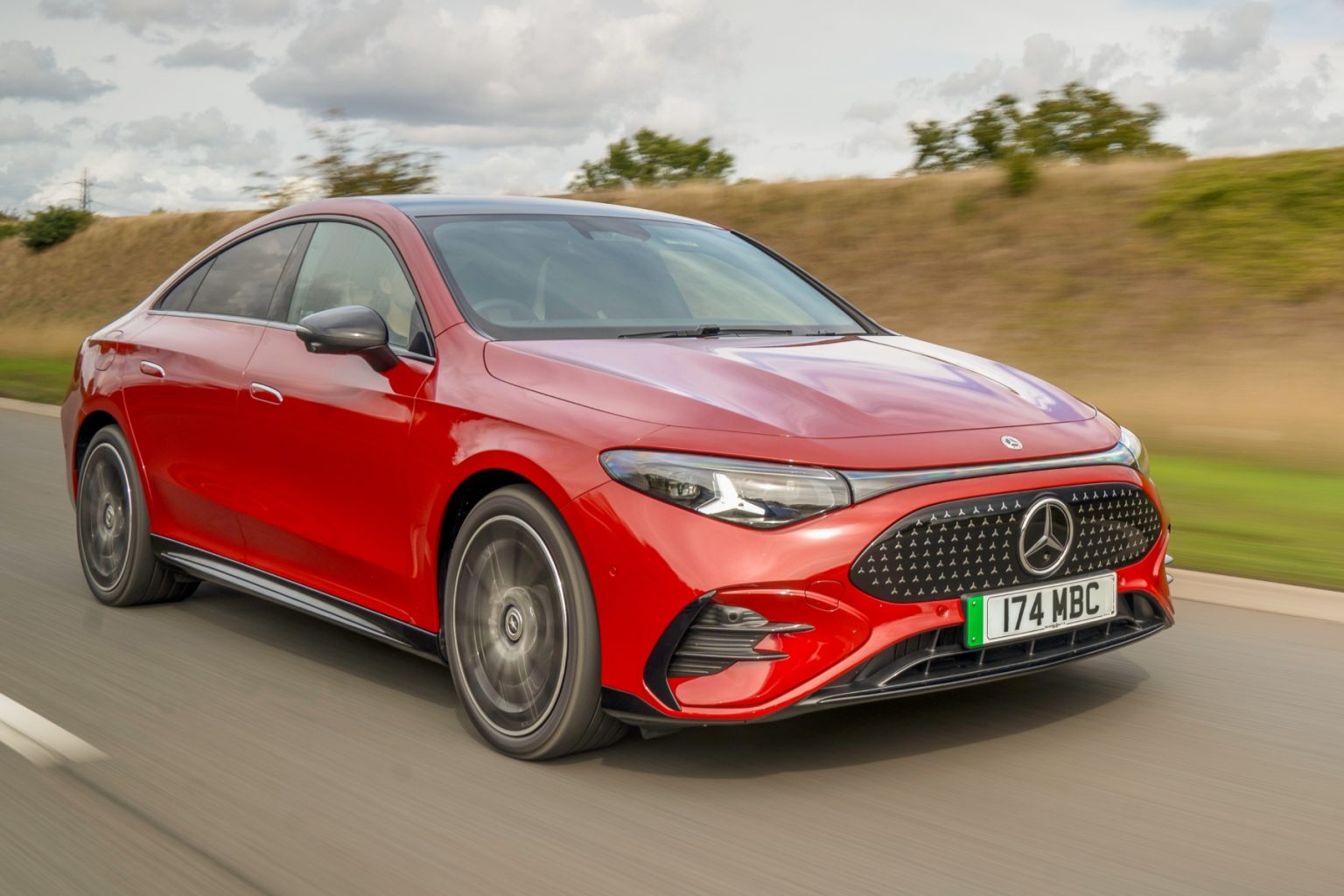
The Suzuki e Vitara features a design focused on practicality and daily urban utility. (Credit: Brett Jordan via Unsplash)
Why You Can Trust This
My assessment of the e Vitara is based on a deep dive into the vehicle’s technical architecture and real-world performance metrics. I have cross-referenced the manufacturer’s claims against the realities of current EV infrastructure, specifically looking at how the 70kW charging limit and the 61kWh battery capacity translate to actual road usage. My analysis focuses on the long-term ownership experience, prioritizing reliability and warranty value over marketing buzzwords.
Design and Development: The Toyota Connection
The e Vitara is a product of a strategic partnership, developed alongside the Toyota Urban Cruiser. Both vehicles roll off the same production line in India. However, Suzuki has carved out a distinct identity for its version. While the Toyota is strictly front-wheel drive, the e Vitara introduces the "eAllGrip" 4x4 system, staying true to the brand’s heritage of offering capable, all-weather vehicles.
The Hardware Breakdown
Under the skin, the e Vitara is built for longevity rather than cutting-edge performance. The powertrain options are tiered: a 49kWh battery paired with a 142bhp motor, and a 61kWh battery available in either 172bhp FWD or 180bhp AWD configurations. The inclusion of a standard heat pump is a critical hardware choice, as it significantly mitigates the range loss typically seen in colder temperatures. The cabin tech centers on a 10.1-inch touchscreen and a 10.25-inch digital cluster, which benefits from the inclusion of physical buttons for climate and volume, a design choice that significantly reduces driver distraction.
Suzuki prioritizes driver ergonomics with physical controls for climate and volume. (Credit: Brice Cooper via Unsplash)
Performance and Powertrain Breakdown
The performance figures reflect the car's intended use. The entry-level 49kWh model hits 0-62mph in 9.6 seconds, while the 61kWh FWD model improves this to 8.7 seconds. If you opt for the dual-motor AWD version, that time drops to 7.4 seconds. While the AWD model is the quickest, it is worth noting that for the vast majority of urban and suburban drivers, the 61kWh FWD model provides the most efficient and cost-effective experience.
Many industry analysts are quick to criticize the e Vitara for its 70kW peak charging speed, labeling it "slow" compared to competitors that hit 150kW or higher. I disagree that this is a dealbreaker. For the average owner who charges at home or at work, the difference between a 20-minute and 45-minute charge is negligible. By prioritizing a lower-cost, durable battery architecture over ultra-fast charging, Suzuki has likely ensured a longer lifespan for the battery pack, which is a far more valuable trade-off for the long-term owner.
Range, Charging, and Real-World Efficiency
Efficiency is where the e Vitara shines. While the official range is 264 miles for the larger battery, real-world conditions, especially highway driving, will likely bring that closer to the 200-mile mark. It is a reliable, predictable range that suits the daily commute perfectly.
Will It Survive Daily Use?
This is where the e Vitara makes its strongest case. The interior materials are not designed to feel like a luxury lounge; they are designed to be hard-wearing. The doors have a solid, reassuring "clunk," and the overall build quality suggests a vehicle that will handle the wear and tear of family life for years. The 10-year/100,000-mile warranty, contingent on annual servicing, is a massive vote of confidence from the manufacturer. It effectively removes the "EV anxiety" regarding battery degradation that keeps many buyers on the sidelines.
Interior Tech and Practicality
The cabin is a masterclass in space management. The long wheelbase allows for a surprisingly roomy interior, and the sliding rear seats are a standout feature, allowing you to prioritize either legroom or boot space. The boot itself starts at 244 litres, but with the seats slid forward, it expands to 310 litres, and folding them flat opens up a generous 562 litres. It’s a flexible space that adapts to your needs, rather than forcing you to adapt to the car.
The Decision Matrix
Not sure which e Vitara is right for you? Use this simple guide:
If you live in a city and rarely drive long distances: The 49kWh FWD model is your best value.
If you want the best all-rounder for commuting and family trips: The 61kWh FWD model is the "sweet spot."
If you live in a rural area with frequent snow or mud: The 61kWh AWD model is the only logical choice.
My Recommended Setup
To get the most out of an EV like the e Vitara, I recommend keeping a few essentials in your kit:
A dedicated home wallbox: Essential for taking advantage of off-peak electricity rates.
A high-quality charging cable bag: Keeps your cables organized and prevents them from cluttering the boot.
A tire pressure gauge: Since EVs are heavier than combustion cars, keeping your tires at the correct pressure is vital for maintaining efficiency.
What Do You Think?
The e Vitara is a calculated, conservative entry into the electric space that prioritizes long-term reliability over flashy tech. Does the promise of a 10-year warranty and proven Suzuki durability outweigh the appeal of faster charging speeds found in newer, less-established competitors? I will be in the comments for the next 24 hours to discuss your thoughts on this shift in the market.
The 61kWh battery model offers an official range of 264 miles, though real-world highway driving may bring this closer to 200 miles.
The e Vitara has a peak charging speed of 70kW. While slower than some competitors, this design choice is intended to prioritize long-term battery health and durability.
Suzuki offers a potential 10-year/100,000-mile warranty, provided the vehicle undergoes annual servicing at an authorized dealership.
Active Engagement
Was this information helpful?
Join Discussions
0 Thoughts
Editorial Team • Question of the Day
"If you were buying your first electric car today, would you prioritize a 10-year warranty or the fastest possible charging speeds?"