Garden for Life: How to Keep Growing Without the Physical Strain
Elijah TobsBy Elijah Tobs
Garden
May 25, 2026 • 1:01 PM
7m7 min read
Verified
Source: Unsplash
The Core Insight
Gardening is a lifelong pursuit, but it requires strategic evolution as we age. Rhonda Fleming Hayes, author of 'Garden for Life,' provides a blueprint for 'right-sizing' your landscape to ensure it remains a source of joy rather than a physical burden. By focusing on ergonomic techniques, vertical planting, and zone-based maintenance, gardeners can continue to nurture their connection with nature well into their later years.
As the founder and primary investigative voice at Kodawire, Elijah Tobs brings over 15 years of experience in dissecting complex geopolitical and financial systems. His work is centered on the ethical governance of emerging technologies, the shifting architectures of global finance, and the future of pedagogy in a digital-first world. A staunch advocate for high-fidelity journalism, he established Kodawire to be a sanctuary for deep-dive intelligence. Moving away from the ephemeral nature of modern headlines, Kodawire delivers permanent, verified insights that challenge the status quo and empower the global reader.
The Art of Right-Sizing: Gardening for the Long Haul
The Short Version
Zone Your Space: Keep high-maintenance plants near the house and let distant areas go wild.
Elevate Everything: Use raised beds and containers to save your back and knees.
Work Smarter: Follow the 20-20-20 rule, 20 minutes of work, then switch tasks or stretch.
Be Savage: Remove plants that cause you more stress than joy.
I’ve spent decades with my hands in the dirt, and I’ve learned one hard truth: the garden that brought you joy at forty can feel like a second job at seventy. We often fall into the trap of thinking that "real" gardening requires endless hours of weeding, deadheading, and heavy lifting. But as Rhonda Fleming Hayes points out in her work, the goal isn't to quit, it's to evolve.
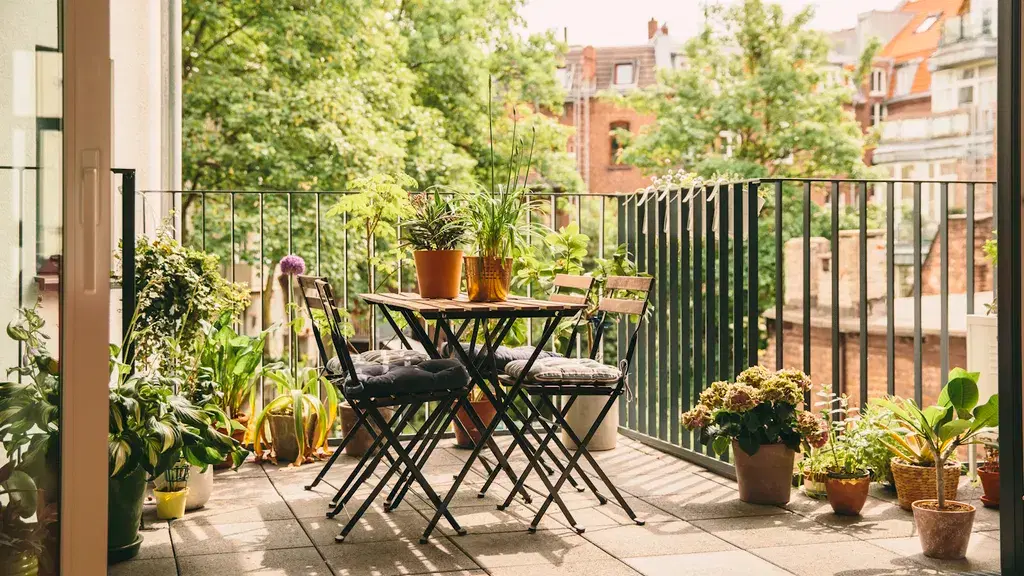
Right-sizing your garden allows you to continue gardening comfortably as you age. (Credit: Maëva Catteau via Unsplash)
When to Actually Do This
The best time to "right-size" your garden is during the shoulder seasons, early spring or late autumn. In the spring, you can assess what survived the winter and decide what to remove before the heavy growth begins. In the fall, you have the perfect window to move perennials or install new raised beds while the soil is still workable but the heat has subsided. Regardless of your hardiness zone, don't wait for the peak of summer heat to start a major overhaul; your body will thank you for working in cooler temperatures.
5 Strategies to Reduce Garden Maintenance
Right-sizing is about aligning your landscape with your current physical capacity. Start by zoning your garden. The area immediately surrounding your home should be your "high-intensity" zone, where you keep your favorite, most rewarding plants. As you move further out, transition to low-maintenance shrubs or groundcovers that don't demand constant attention. You might consider native plant swaps to replace high-maintenance species with those better adapted to your local environment.
Next, get off the ground. Elevated beds are a game-changer. By bringing the soil up to waist height, you eliminate the need for painful bending and kneeling. If you love annuals, stop planting them in the ground. Move them into containers that you can group together for easier watering and maintenance. For those who love vegetables, switch to vertical gardening. Growing pole beans and vining cucumbers keeps your harvest at eye level, saving your back and your knees.
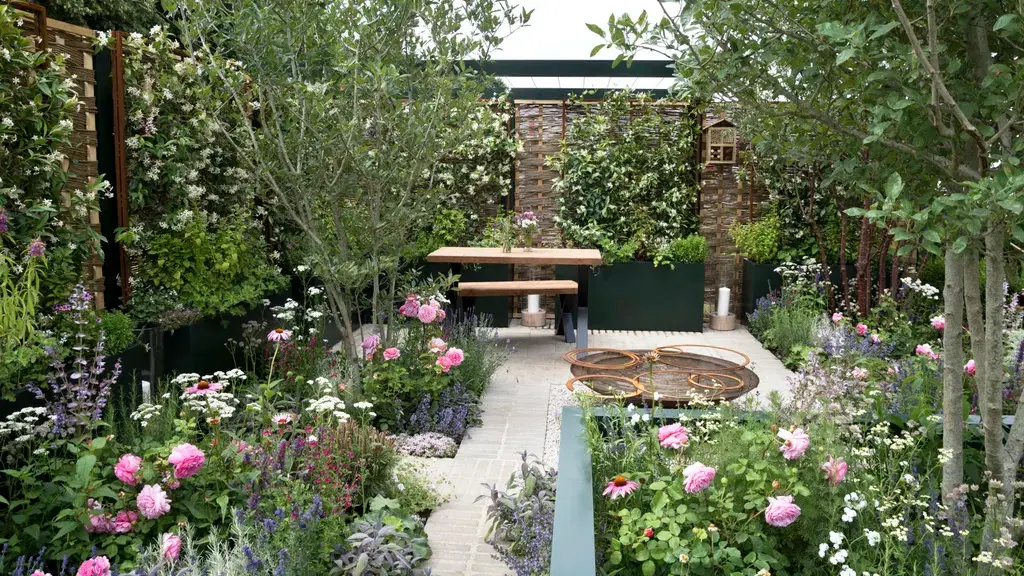
Vertical gardening keeps harvests at eye level, reducing physical strain. (Credit: Annie Spratt via Unsplash)
The Natural Approach
Sustainability isn't just about the planet; it's about your own energy reserves. To keep your garden organic and low-effort:
Choose Native Plants: They are adapted to your local soil and climate, requiring less water and fertilizer.
Mulch Heavily: A thick layer of organic mulch suppresses weeds naturally, saving you hours of manual labor.
Replace High-Maintenance Perennials: Swap plants that require constant deadheading for flowering or fruiting shrubs that provide beauty with minimal intervention.
Protecting Your Body: The 20-20-20 Rule
I’ve had my share of sore backs after a long day of weeding, and I’ve learned that the "push through the pain" mentality is a recipe for injury. Adopt the 20-20-20 rule: work on a specific task for no more than 20 minutes, then switch to a different muscle group or take a break to stretch. Use ergonomic tools that keep your wrists in a neutral position, and please, leave the ladders in the shed. The risk of a fall simply isn't worth the view from the top of a hedge. For more on managing your garden ecosystem without overexertion, check out our guide on ecological gardening.
The Lazy Gardener's Shortcut
If you only do one thing, install a permanent drip irrigation system. Hand-watering is the most time-consuming, physically taxing chore in the garden. A simple timer and a soaker hose setup will keep your plants hydrated while you sit on the porch with a glass of iced tea. This is a key component of growing edimentals, which often require consistent moisture but minimal fuss.
The Emotional Side of 'Savage' Gardening
We often hold onto plants out of guilt or sentimentality, even when they’ve become a burden. I’ve been there, nursing a rose bush that attracts more Japanese beetles than blooms. You have to be "savage" about removing plants that cause excessive labor. Think of it as a gift to your future self. If a plant is invasive or constantly fighting you, let it go. Your garden should be a sanctuary, not a source of stress. Learn more about why you should stop cleaning your garden too aggressively, which can actually help maintain a healthier, lower-maintenance ecosystem.
How have you adapted your own gardening habits as you’ve gotten older? I’d love to hear your favorite "lazy" gardening hacks in the comments below, I’ll be replying to everyone for the next 24 hours.
The best time is during the shoulder seasons, early spring or late autumn, when the weather is cooler and the soil is easier to work with.
It is a safety practice where you work on a specific task for no more than 20 minutes, then switch to a different muscle group or take a break to stretch.
You can reduce strain by using raised beds, vertical gardening, installing a drip irrigation system, and zoning your garden to keep high-maintenance plants closer to the house.
Active Engagement
Was this information helpful?
Join Discussions
0 Thoughts
Editorial Team • Question of the Day
"What is the one plant in your garden that you know you should remove, but haven't been able to part with yet?"