The 'Bad Naturalist' Guide: Why Your Garden Isn't Working
Elena RossBy Elena Ross
Garden
May 28, 2026 • 5:24 PM
7m7 min read
Source: Unsplash
The Core Insight
Paula Whyman, author of 'Bad Naturalist,' shares her journey of transforming 200 acres of wild Virginia mountaintop. Her experience highlights the shift from idealistic 'perfect' gardening to the pragmatic, often messy reality of ecological restoration, emphasizing that nature rarely follows a human to-do list.
Sponsored
E
Master Gardener
Elena Ross
Elena Ross is a certified Master Gardener and botanist. She loves sharing sustainable gardening practices, permaculture tips, and houseplant care guides.
The Kodawire Editorial Team consists of experienced journalists and subject matter experts dedicated to delivering accurate, well-researched, and engaging content.
The Myth of the Perfect Garden: Lessons from the Wild
What You Need to Know
Shift your mindset: Stop trying to "get rid of" nature and start "managing" it. Perfection is an illusion.
Start small: Focus on one corner or container to avoid burnout and see immediate results.
Prioritize your passion: Choose plants that support the specific wildlife you care about, like monarchs or bees.
Seek local expertise: Use your local Soil and Water Conservation District or groups like Blue Ridge PRISM for guidance.
We often start our gardening journeys with a vision of a pristine, controlled paradise. I’ve been there myself, dreaming of a meadow that looks like a movie set, where every bloom is perfectly placed and every weed is banished. But when you take on a project, whether it’s a 200-acre mountaintop or a small backyard, nature quickly reminds you who is actually in charge. The reality is that ecological restoration isn't a finished product; it’s an ongoing, messy, and beautiful experiment.
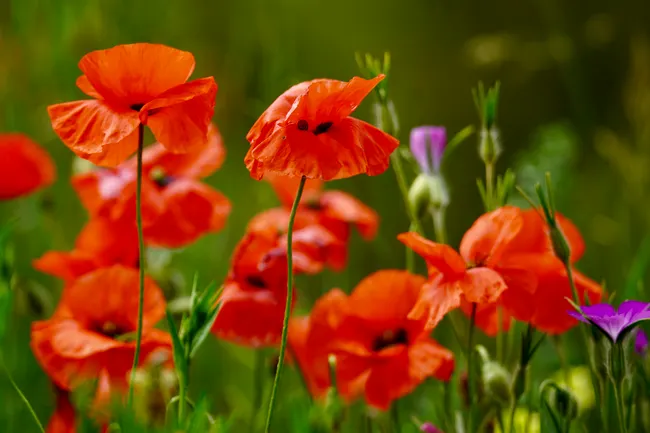
Embracing the natural, unmanicured beauty of a meadow. (Credit: Jon Tyson via Unsplash)
Working With the Seasons
Timing is everything when managing a wild space. In the Blue Ridge foothills, late summer is often the time to identify what’s actually growing, as the heat brings out the true character of the meadow. However, invasive management, like pulling woody species, is best done when the soil is moist enough to allow for root removal but not so saturated that you cause erosion. Always check your local hardiness zone and regional extension office for the specific "burn" or "mow" windows in your area, as these are strictly regulated to protect local wildlife.
The biggest hurdle for most of us is the "whack-a-mole" nature of invasive species. You clear a patch of autumn olive, only to find jimsonweed popping up a half-mile away. It’s easy to feel defeated, but the secret is to stop viewing your land as a battleground. Instead, view it as a system you are stewarding. You will have to make trade-offs, sometimes removing an invasive vine might risk disturbing a native milkweed. These are the hard choices that define a true naturalist, as discussed in our guide on keystone plants.
The Unpopular Opinion
Most people think "native" means "perfect" and "invasive" means "evil." But nature doesn't work in such clean binaries. Native pioneer species, like tulip poplar and black birch, can be just as aggressive as non-native invasives when they decide to colonize a meadow. Sometimes, the most "natural" thing you can do is intervene to prevent a monoculture, even if that means cutting down a native tree that is simply in the wrong place at the wrong time.
Using the right tools makes invasive management more sustainable. (Credit: Steve A Johnson via Unsplash)
The Natural Approach
Sustainability isn't about using zero tools; it's about using the right ones. Learn more about ecological garden strategies to refine your approach.
Manual Removal: Use a weed wrench for woody invasives like autumn olive.
Strategic Mowing: Use a bush hog to keep shrubland in check without resorting to broadcast spraying.
Expert Collaboration: Before you spray, talk to your local conservation district. They often have non-chemical management strategies that are far more effective in the long run.
The Decision Matrix
Not sure where to start? Use this simple guide:
If you have 1 hour: Identify one invasive species in your yard and research its removal method.
If you have 1 weekend: Clear a small 10x10 patch and plant a native species that supports a specific pollinator.
If you only do one thing, stop trying to manage the whole property at once. Pick a "viewing zone", the area you see from your kitchen window or porch, and focus all your energy there. Let the rest of the land be wild. You’ll get the satisfaction of a managed garden without the burnout of trying to tame an entire ecosystem.
Why You Can Trust This
I’ve spent years digging in the dirt, learning that the best way to understand a landscape is to walk it with experts. My approach to this guide is based on independent research into ecological succession and the practical, often difficult, realities of land management. I’ve vetted these strategies against the experiences of those who have spent years managing large-scale native habitats, ensuring that the advice provided is grounded in real-world application rather than theory.
A sturdy weed wrench: Essential for pulling woody invasives by the root.
Local Field Guides: Keep a regional plant identification book handy; knowing your enemy is the first step to managing it.
The "Wild Ones" Network: Connecting with local chapters is the best way to find neighbors who have already solved the problems you are currently facing.
What Do You Think?
Have you experimented with shifting any of your landscape to a more eco-focused style, or are you just starting to ponder it? Tell me about your experience and where you are located in the comments below. I will be replying to every comment within the first 24 hours.
Nature is inherently messy and dynamic. Trying to force a garden into a static, perfect state ignores the reality of ecological succession and leads to burnout.
Focus on manual removal using tools like a weed wrench for woody plants, strategic mowing to keep shrubland in check, and consulting with local conservation districts for non-chemical management strategies.
Focus your efforts on a 'viewing zone', a small area visible from your home, and allow the rest of the property to remain wild.
Active Engagement
Was this information helpful?
Join Discussions
0 Thoughts
Editorial Team • Question of the Day
"What is the one invasive plant in your area that you find the most difficult to manage?"