1m ago31h ago1 min read
Why Politics Has Become So Frenzied
PoliticsDiscussion of 'hyperpolitics' theory

Kodawire AI Summary70% consensus
The theory of 'hyperpolitics' is proposed by political historian Anton Jäger
- Anton Jäger is a political historian.
- He has a theory called 'hyperpolitics'.
- The theory attempts to explain the current state of politics.
- Politics has become more frenzied.
- Jäger's theory may provide insight into the current era.
The concept aims to explain the intense and frenzied nature of current politics
Media Spectrum
How different news outlets are covering this story.
100%0%0%
LeftCenterRight
Left-leaning
100% of coverage
The New York TimesTN
The New York Times
What ‘Hyperpolitics’ Explains About This Era
The New York TimesTN
The New York Times
The political historian Anton Jäger on his theory of “hyperpolitics.”
Center
0% of coverage
Right-leaning
0% of coverage
Bias & Framing Analysis
AI comparison of narrative angles and framing
Top Framing Differences
- Left: The political historian Anton Jäger on his theory of “hyperpolitics.”
- Center: Prioritizes chronological records, official filings, and primary factual documentation regarding "Why Politics Has Become So Frenzied".
- Right: Highlights procedural integrity, governance standards, and institutional repercussions stemming from "Why Politics Has Become So Frenzied".
Overall Tone
Center
Slightly neutral overall tone across the coverage.
Coverage Blindspots
Editorial AsymmetryCritical angles and context underreported by specific political desks
Left-Leaning BlindspotUnderreported by Left
Left-leaning coverage concentrated on systemic impact and public interest questions, placing less emphasis on procedural institutional defense arguments.
Right-Leaning BlindspotUnderreported by Right
Right-leaning outlets offered scarce direct reporting on "Why Politics Has Become So Frenzied", focusing editorial priority on broader ideological commentary.
The Friday Truth Briefing
Sick of the media echo chambers?
Get every side of the week's biggest story in your inbox.
Left vs. Right blindspotsZero spin, just facts5-min read every Friday
What's Next
Forward OutlookProjected milestones, strategic ramifications, and attributed stakeholder perspectives
Expected Outcomes
- Further understanding of the 'hyperpolitics' theory
- Upcoming court filings, judicial hearings, or administrative motions.
- Responses and accountability statements from oversight bodies and legal counsel.
- Potential regulatory adjustments and policy reviews by relevant institutions.
Why It Matters
To explain the current state of politics
Key Perspective
“Observers and legal analysts are closely tracking subsequent filings to assess broader governance implications.”
— The New York Times Editorial Desk
Credibility & Editorial Standards
Verified StandardsMulti-factor evaluation of reporting rigor, editorial baselines, and ownership transparency
Story FramingLeft
Evaluated across 2 reporting sources (100% Left · 0% Center · 0% Right)
Lead reporting from The New York Times. Bias rating reflects overall narrative framing and source selection.
L 100%C 0%R 0%
Outlet ConsensusLeft
Historical editorial baseline for The New York Times
Historical editorial rating for The New York Times based on high factuality standards and corporate governance.
PoliticsLeft
Politics & GovernanceLeft
Credibility ScoreHigh Credibility
89/ 100
Multi-factor accuracy index for The New York Times and related desks based on verifiable sourcing and editorial standards.
Factuality: High 100%
Ownership: The New York Times (Corporate)
Timeline of this story
Key moments and updates
- Sep 8The New York Times: The political historian Anton Jäger on his theory of “hyperpolitics.”
- Sep 9The New York Times: The political historian Anton Jäger on his theory of “hyperpolitics.”
Historical Context
Understanding the bigger picture
Related
More coverage like this story
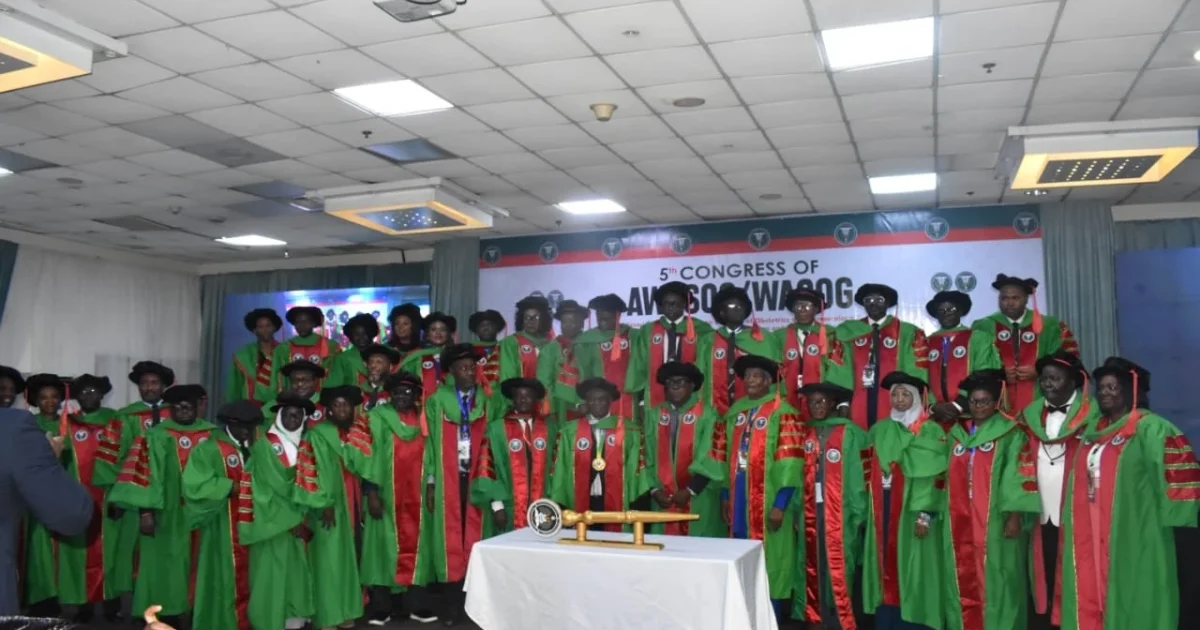
Fund family planning to fight insecurity in West Africa, gynaecologists tell govts
Multiple outlets • 32h ago
Gynaecologists urge West African governments to fund family planning, linking high fertility rates and population growth to regional insecurity and extremi
L 0%C 100%R 0%
2 sources • 2

Ogoni youths oppose oil resumption without state creation
Multiple outlets • 32h ago
Ogoni youths threaten massive protests, opposing any Ogoni oil resumption until the Federal Government creates Bori State and dissolves the dialogue commit
L 0%C 100%R 0%
1 sources • 1

Republicans’ Midterms Strategy Will Test Trump’s Political Power as Polling Sags
Multiple outlets • 32h ago
Republicans’ Midterms Strategy Will Test Trump’s Political Power as Polling Sags
L 40%C 60%R 0%
5 sources • 5
Lawal tasks new head of service on dedication
Multiple outlets • 32h ago
Governor Dauda Lawal of Zamfara appointed Alhaji Shehu Baraya as the new Head of Service of the state. The appointment followed the retirement of the former Head of Service, Malam Yakubu Haidara. This is contained in a statement on Thursday in Gusau by the Secretary to the State Government, Malam Abubakar Nakwada. The appointment takes […] The post Lawal tasks new head of service on dedication appeared first on Vanguard News .
L 0%C 100%R 0%
1 sources • 1

Lagos launches Eko Digital Training for Youths
Multiple outlets • 32h ago
— Flags off Badagry, Ikorodu programmes By Olasunkanmi Akoni LAGOS — The Lagos State Government, through the Ministry of Tertiary Education, has launched the Eko Digital Training initiative to equip youths in the Badagry and Ikorodu divisions with digital and entrepreneurial skills. The week-long training, which began on September 7 and ends September 11, 2026, […] The post Lagos launches Eko Digital Training for Youths appeared first on Vanguard News .
L 0%C 100%R 0%
2 sources • 2
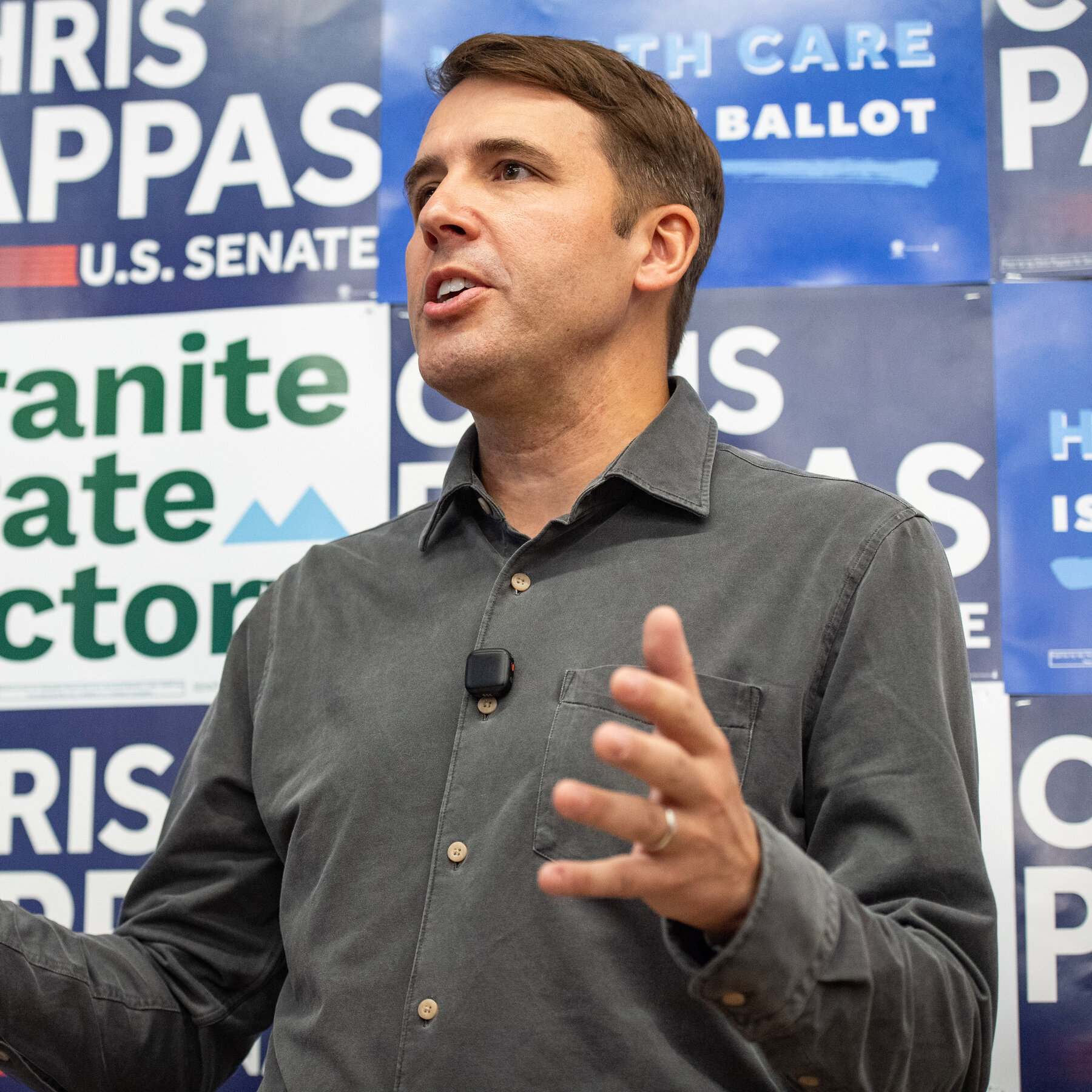
Chris Pappas Defeats Progressive Challenger in New Hampshire Senate Primary
Multiple outlets • 32h ago
Mr. Pappas, a moderate Democrat who has served four terms in the House, will face former Senator John E. Sununu, the Republican nominee, in November.
L 100%C 0%R 0%
1 sources • 1

Almost half of Victoria’s roads in poor condition, as decline outpaces repairs
Multiple outlets • 32h ago
A new report has found that government-managed roads across the state are deteriorating faster than they’re being fixed, as parties scramble for solutions before the election.
L 50%C 50%R 0%
2 sources • 2
Meet the Lehigh Valley's newest political bosses
Multiple outlets • 33h ago
Meet the Lehigh Valley's newest political bosses
L 0%C 100%R 0%
1 sources • 1
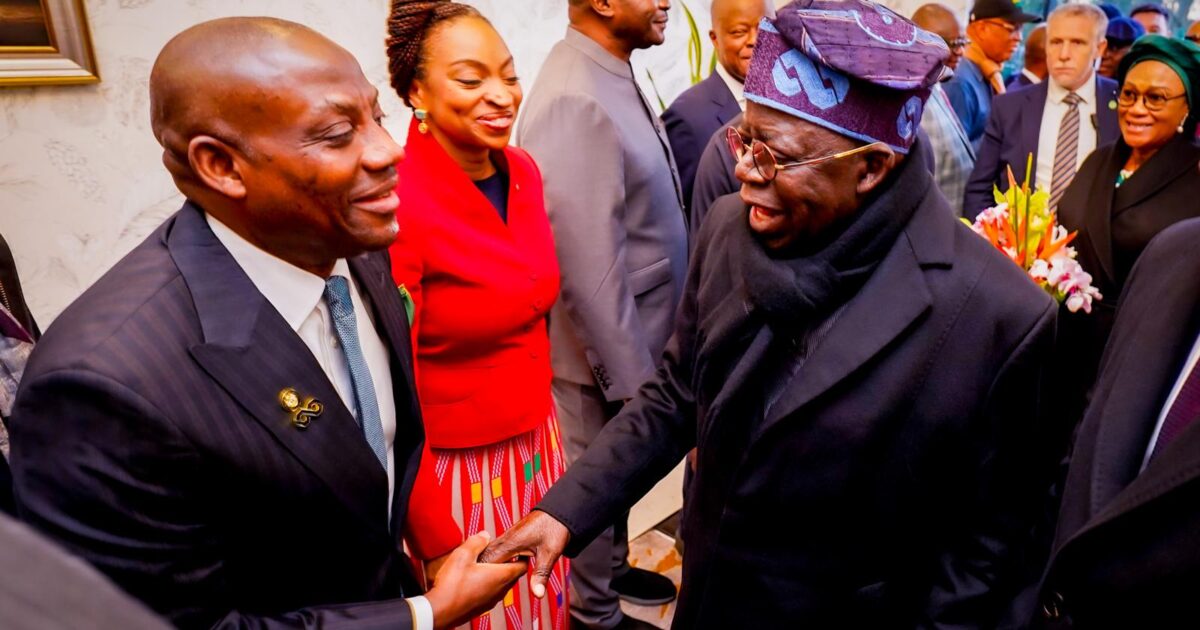
Certificate fraud: FG, NYSC move to link education records
Multiple outlets • 33h ago
The Federal Government and NYSC are linking education records to tackle certificate fraud, strengthen qualification verification, and protect genuine gradu
L 0%C 100%R 0%
2 sources • 2

ASUU strike hits UNIZIK, NANS seeks intervention in Nasarawa varsity
Multiple outlets • 33h ago
ASUU begins indefinite strike at UNIZIK over unpaid salaries, as NANS urges government intervention to end the prolonged industrial action at Nasarawa vars
L 0%C 100%R 0%
1 sources • 1
Reader Discussion
Loading comments…
Explore More Stories
Developing headlines and related coverage across the wire
Fund family planning to fight insecurity in West Africa, gynaecologists tell govts
L 0%C 100%R 0%
Multiple outlets32h ago
Ogoni youths oppose oil resumption without state creation
L 0%C 100%R 0%
Multiple outlets32h ago
Republicans’ Midterms Strategy Will Test Trump’s Political Power as Polling Sags
L 40%C 60%R 0%
Multiple outlets32h ago
Lawal tasks new head of service on dedication
L 0%C 100%R 0%
Multiple outlets32h ago
Lagos launches Eko Digital Training for Youths
L 0%C 100%R 0%
Multiple outlets32h ago
Chris Pappas Defeats Progressive Challenger in New Hampshire Senate Primary
L 100%C 0%R 0%
Multiple outlets32h ago
Almost half of Victoria’s roads in poor condition, as decline outpaces repairs
L 50%C 50%R 0%
Multiple outlets32h ago
Meet the Lehigh Valley's newest political bosses
L 0%C 100%R 0%
Multiple outlets33h ago
Certificate fraud: FG, NYSC move to link education records
L 0%C 100%R 0%
Multiple outlets33h ago
ASUU strike hits UNIZIK, NANS seeks intervention in Nasarawa varsity
L 0%C 100%R 0%
Multiple outlets33h ago
Solomon Islands Domestic Political Squabbles Could Frustrate Diplomatic Engagement
L 0%C 100%R 0%
Multiple outlets33h ago

John E. Sununu Wins Republican Senate Primary in New Hampshire
L 100%C 0%R 0%
Multiple outlets33h ago
Aviation sector faces fresh revenue, sustainability debate
L 0%C 100%R 0%
Multiple outlets33h ago
Post
L 0%C 100%R 0%
Multiple outlets33h ago

LASG opens Ikorodu bridge to traffic
L 0%C 100%R 0%
Multiple outlets33h ago

Anti
L 0%C 100%R 0%
Multiple outlets33h ago

Who’s afraid of Ede?
L 0%C 100%R 0%
Multiple outlets33h ago
Cody Ford, ex
L 0%C 100%R 0%
Multiple outlets33h ago

John E. Sununu Wins Republican Senate Primary in New Hampshire
L 50%C 50%R 0%
Multiple outlets33h ago
John Sununu, Chris Pappas win New Hampshire Senate primaries in race to replace Jeanne Shaheen
L 0%C 0%R 100%
Multiple outlets33h ago