1m ago20h ago1 min read
U.S. Strikes Iranian Oil Tankers, Drawing Threat of Reprisal
AmericasUS strike on Iranian oil tankers
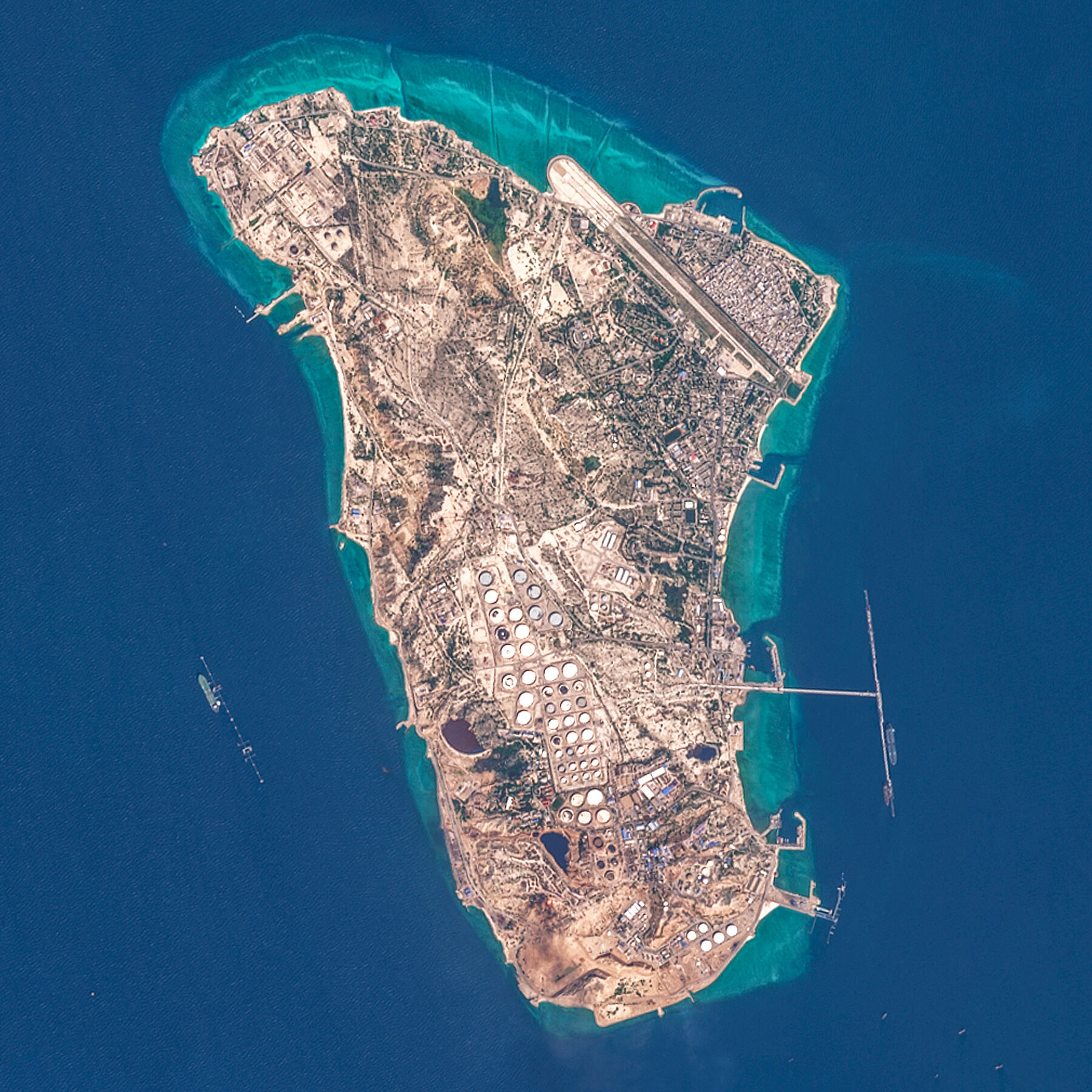
Kodawire AI Summary70% consensus
American forces hit multiple Iranian vessels in response to attempted strikes on a US warship.
- US forces struck multiple Iranian oil tankers.
- The strike was in response to Iranian attempts to hit a US warship.
- Iran has threatened reprisal.
- The incident involves 5 Iranian oil tankers.
- The US cited attempted strikes on a warship as the reason for the strike.
The incident has drawn a threat of reprisal from Iran.
Media Spectrum
How different news outlets are covering this story.
100%0%0%
LeftCenterRight
Left-leaning
100% of coverage
The New York TimesTN
The New York Times
U.S. Strikes Iranian Oil Tankers, Drawing Threat of Reprisal
The New York TimesTN
The New York Times
American forces were said to have hit multiple vessels in response to Iranian attempts to hit a U.S. warship.
Center
0% of coverage
Right-leaning
0% of coverage
Bias & Framing Analysis
AI comparison of narrative angles and framing
Top Framing Differences
- Left: American forces were said to have hit multiple vessels in response to Iranian attempts to hit a U.S. warship.
- Center: Prioritizes chronological records, official filings, and primary factual documentation regarding "U.S. Strikes Iranian Oil Tankers, Drawing Threat of Reprisal".
- Right: Highlights procedural integrity, governance standards, and institutional repercussions stemming from "U.S. Strikes Iranian Oil Tankers, Drawing Threat of Reprisal".
Overall Tone
Center
Slightly neutral overall tone across the coverage.
Coverage Blindspots
Editorial AsymmetryCritical angles and context underreported by specific political desks
Left-Leaning BlindspotUnderreported by Left
Left-leaning coverage concentrated on systemic impact and public interest questions, placing less emphasis on procedural institutional defense arguments.
Right-Leaning BlindspotUnderreported by Right
Right-leaning outlets offered scarce direct reporting on "U.S. Strikes Iranian Oil Tankers, Drawing Threat of Reprisal", focusing editorial priority on broader ideological commentary.
The Friday Truth Briefing
Sick of the media echo chambers?
Get every side of the week's biggest story in your inbox.
Left vs. Right blindspotsZero spin, just facts5-min read every Friday
What's Next
Forward OutlookProjected milestones, strategic ramifications, and attributed stakeholder perspectives
Expected Outcomes
- Potential escalation of US
- Ongoing factual verification and additional primary source disclosures.
- Statements from key community stakeholders and institutional leaders.
- Broader impact assessments on local and regional communities.
Why It Matters
The incident could lead to further conflict in the region
Key Perspective
“Media and policy analysts note that thorough, multi-source reporting will remain critical as further details develop.”
— The New York Times Editorial Desk
Credibility & Editorial Standards
Verified StandardsMulti-factor evaluation of reporting rigor, editorial baselines, and ownership transparency
Story FramingLeft
Evaluated across 2 reporting sources (100% Left · 0% Center · 0% Right)
Lead reporting from The New York Times. Bias rating reflects overall narrative framing and source selection.
L 100%C 0%R 0%
Outlet ConsensusLeft
Historical editorial baseline for The New York Times
Historical editorial rating for The New York Times based on high factuality standards and corporate governance.
AmericasLeft
Politics & GovernanceLeft
Credibility ScoreHigh Credibility
89/ 100
Multi-factor accuracy index for The New York Times and related desks based on verifiable sourcing and editorial standards.
Factuality: High 100%
Ownership: The New York Times (Corporate)
Timeline of this story
Key moments and updates
- 20h agoThe New York Times: American forces were said to have hit multiple vessels in response to Iranian attempts to hit a U.S. warship.
- 18h agoThe New York Times: Iran said it had retaliated by launching missiles at Jordan, raising the specter of still more fighting.
Historical Context
Understanding the bigger picture
Related
More coverage like this story

Iran says it captured US submarine drone in Strait of Hormuz
Multiple outlets • 33h ago
WASHINGTON, Sept 8 (Reuters) - Iran's Revolutionary Guards said on Tuesday it had captured a U.S. uncrewed submarine at the entrance to the Strait of Hormuz, offering a rare glimpse into how underwater drones are being used in military operations.
L 14%C 86%R 0%
7 sources • 7
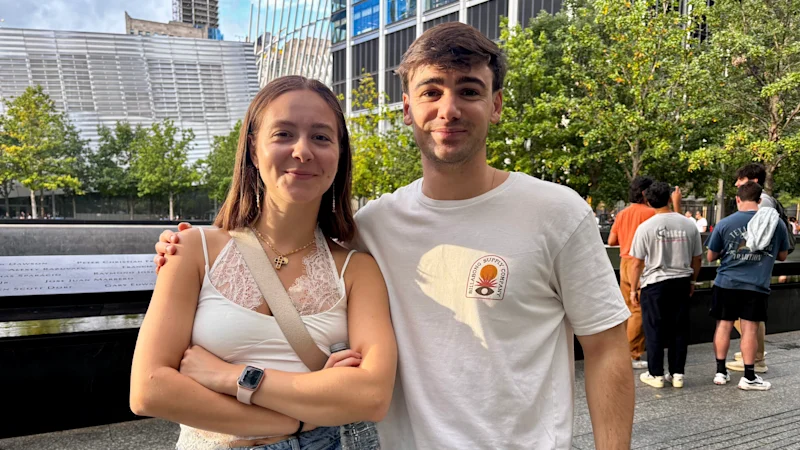
‘I don’t know what happened’: Those too young to remember September 11 are prone to conspiracy
Multiple outlets • 33h ago
After 25 years, 100 million Americans have no memory of the day that changed everything. In an age of social media, disinformation and mistrust, that can be dangerous.
L 22%C 78%R 0%
9 sources • 9

‘Go get my gun’: Aussie boxing legend reveals wild truth behind infamous US sparring war
Multiple outlets • 34h ago
‘Go get my gun’: Aussie boxing legend reveals wild truth behind infamous US sparring war
L 0%C 100%R 0%
1 sources • 1
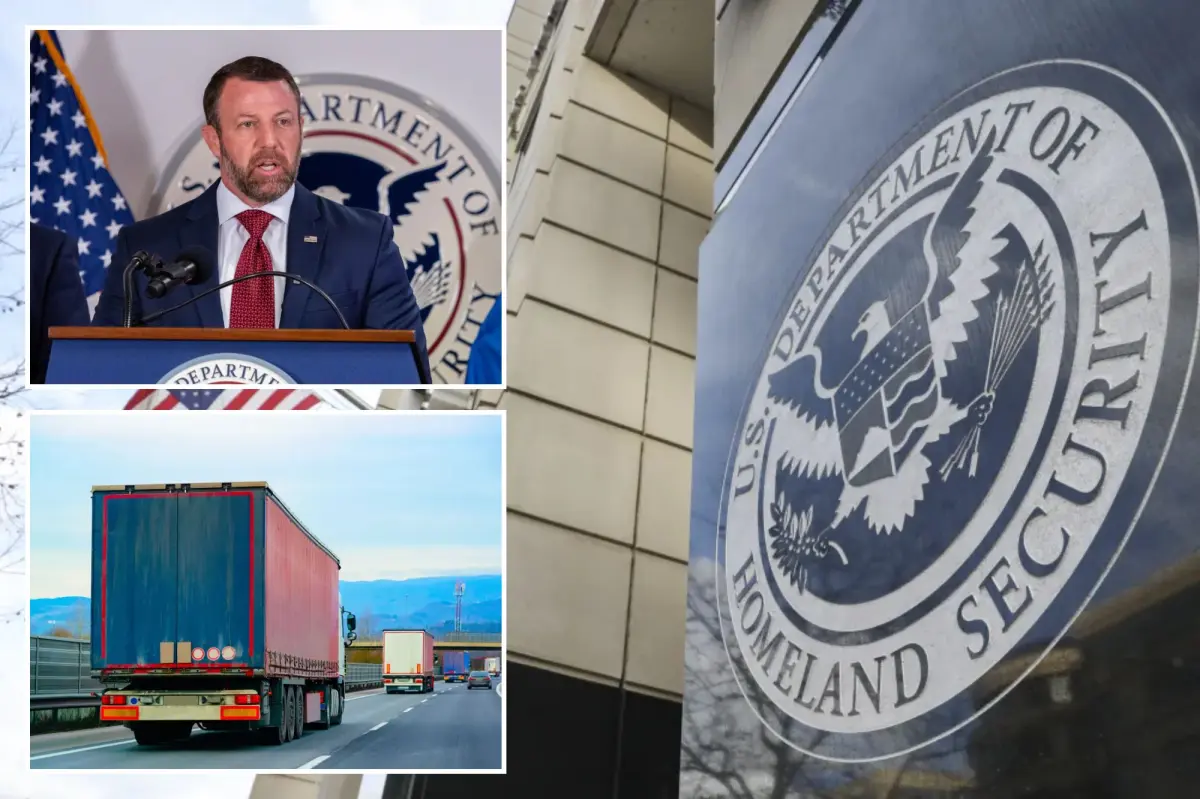
ICE launching tipline to report CDL fraud following series of deadly crashes by illegal migrants
Multiple outlets • 34h ago
Americans can report suspected fraud by calling 866-347-2423.
L 0%C 100%R 0%
1 sources • 1
Elsight (ASX:ELS): US$2M Follow
Multiple outlets • 34h ago
Elsight (ASX:ELS): US$2M Follow
L 0%C 100%R 0%
1 sources • 1
‘Please come to us’: Perfect fit for Dees champ; Blues duo in limbo
Multiple outlets • 34h ago
‘Please come to us’: Perfect fit for Dees champ; Blues duo in limbo — Seven AFL bargain pick
L 0%C 100%R 0%
2 sources • 2
US bans Canadian dairy, alcohol and motorcycles amid tariff retaliation
Multiple outlets • 34h ago
The latest measures deepen a rupture between two closely integrated economies as Ottawa seeks greater independence from its largest trading partner.
L 0%C 67%R 33%
3 sources • 3
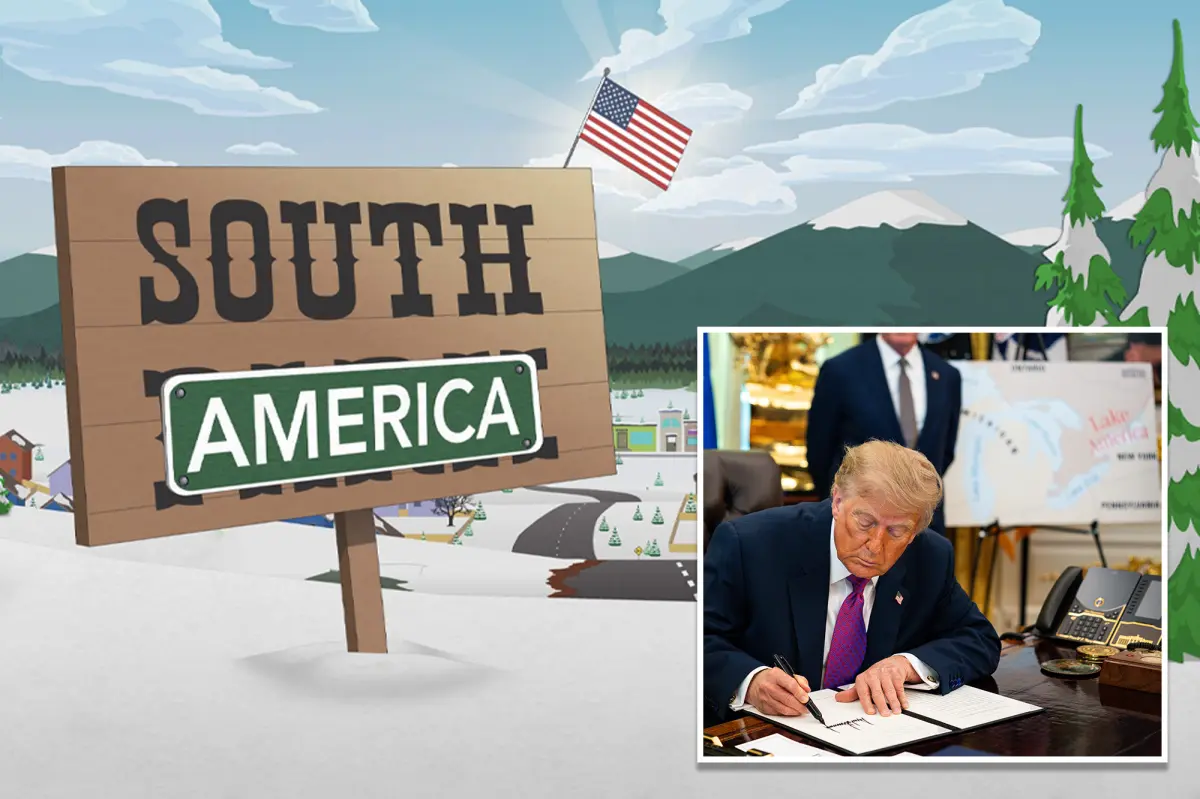
‘South Park’ to rebrand as ‘South America’ ahead of Season 29 premiere in cheeky jab at President Trump
Multiple outlets • 34h ago
Trump's recent patriotic renaming spree included the Gulf of Mexico and Lake Ontario, newly dubbing them the Gulf of America and Lake America, respectively.
L 0%C 0%R 100%
1 sources • 1
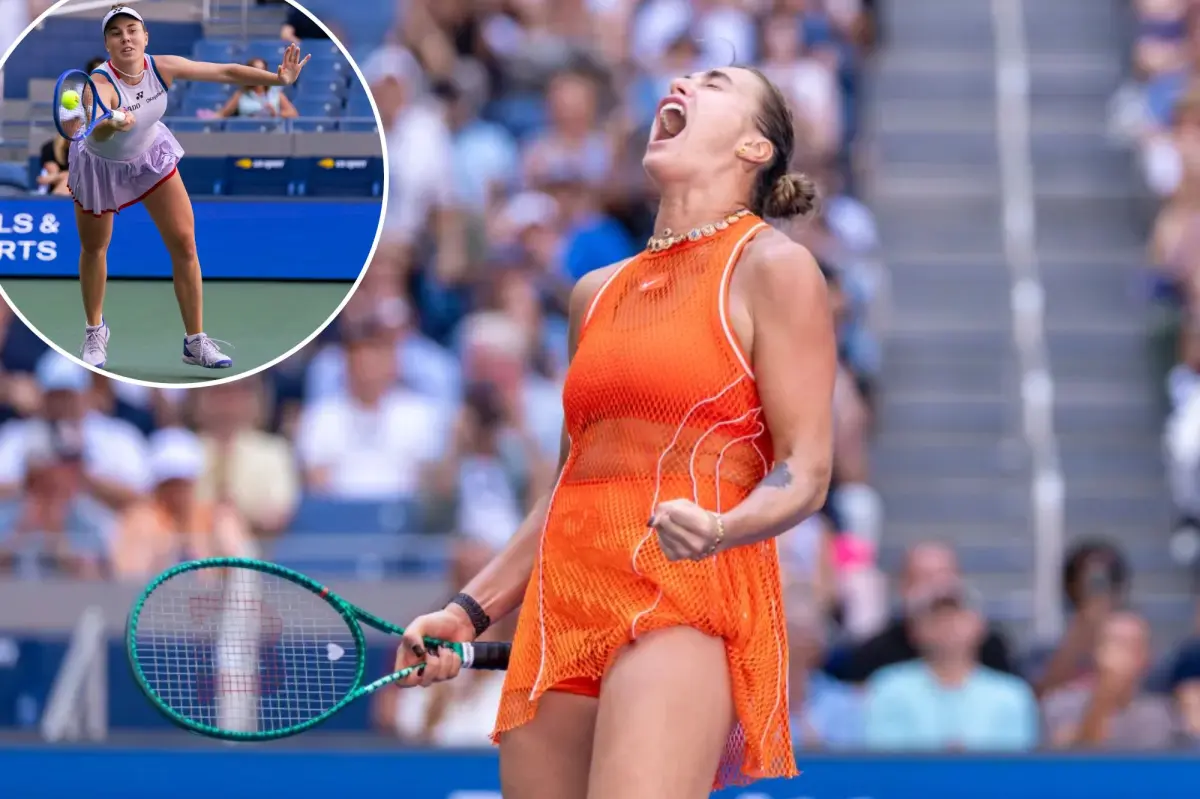
Aryna Sabalenka’s US Open three
Multiple outlets • 34h ago
Czechia’s Linda Nosková was not to be underestimated, but Aryna Sabalenka’s bid for a three-peat in Flushing is still on.
L 0%C 100%R 0%
1 sources • 1
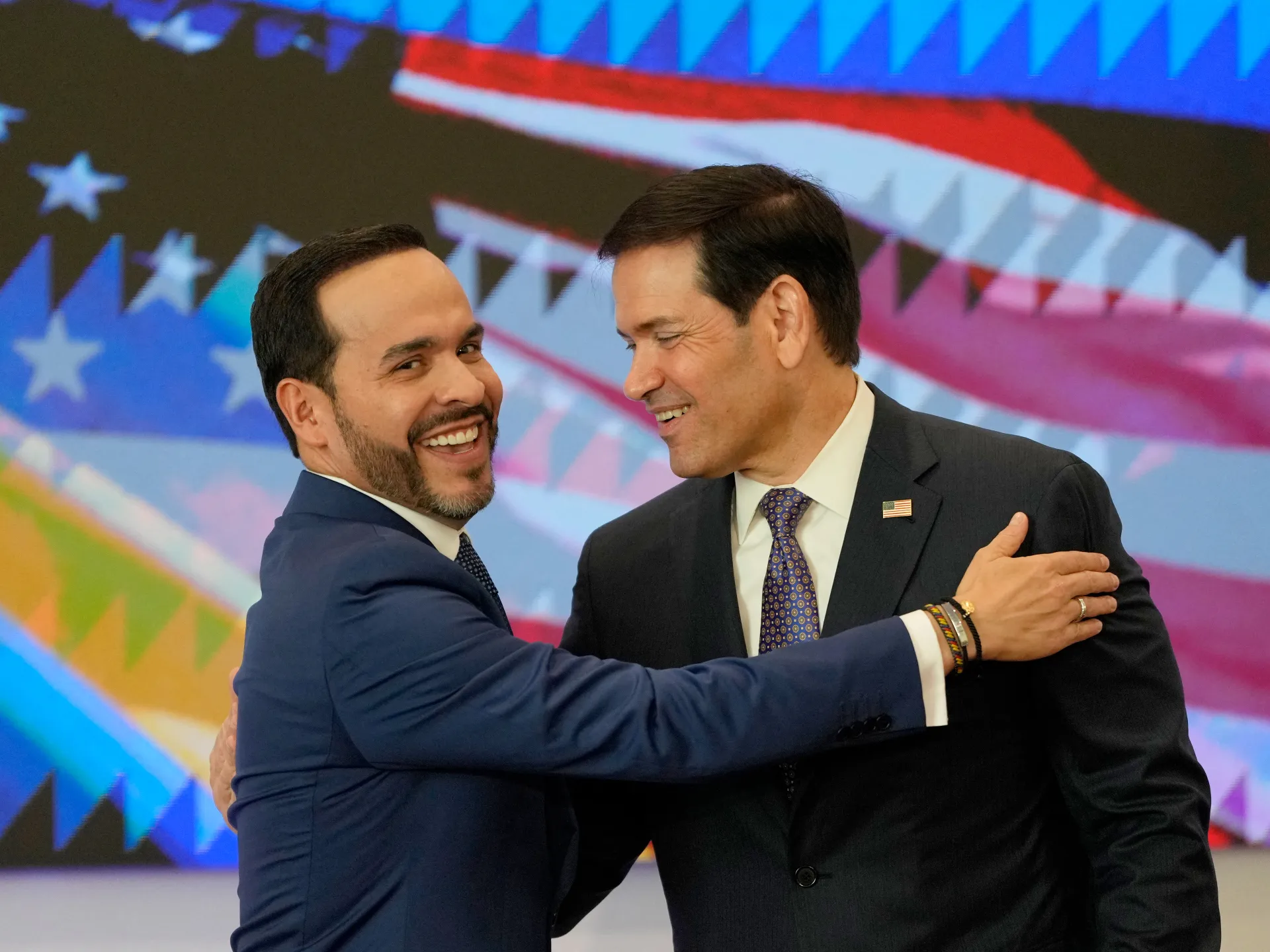
Marco Rubio says US seeks more economic and security ties in Latin America
Multiple outlets • 35h ago
The US secretary of state visits Colombia, Ecuador and Peru in a bid to enhance cooperation with right-wing allies.
L 0%C 100%R 0%
1 sources • 1
Reader Discussion
Loading comments…
Explore More Stories
Developing headlines and related coverage across the wire
Iran says it captured US submarine drone in Strait of Hormuz
L 14%C 86%R 0%
Multiple outlets33h ago
‘I don’t know what happened’: Those too young to remember September 11 are prone to conspiracy
L 22%C 78%R 0%
Multiple outlets33h ago
‘Go get my gun’: Aussie boxing legend reveals wild truth behind infamous US sparring war
L 0%C 100%R 0%
Multiple outlets34h ago
ICE launching tipline to report CDL fraud following series of deadly crashes by illegal migrants
L 0%C 100%R 0%
Multiple outlets34h ago
Elsight (ASX:ELS): US$2M Follow
L 0%C 100%R 0%
Multiple outlets34h ago
‘Please come to us’: Perfect fit for Dees champ; Blues duo in limbo
L 0%C 100%R 0%
Multiple outlets34h ago
US bans Canadian dairy, alcohol and motorcycles amid tariff retaliation
L 0%C 67%R 33%
Multiple outlets34h ago
‘South Park’ to rebrand as ‘South America’ ahead of Season 29 premiere in cheeky jab at President Trump
L 0%C 0%R 100%
Multiple outlets34h ago
Aryna Sabalenka’s US Open three
L 0%C 100%R 0%
Multiple outlets34h ago
Marco Rubio says US seeks more economic and security ties in Latin America
L 0%C 100%R 0%
Multiple outlets35h ago
US Open 2026 results: Francis Tiafoe beats Alex Michelsen after trailing by two sets and break
L 0%C 100%R 0%
Multiple outlets35h ago
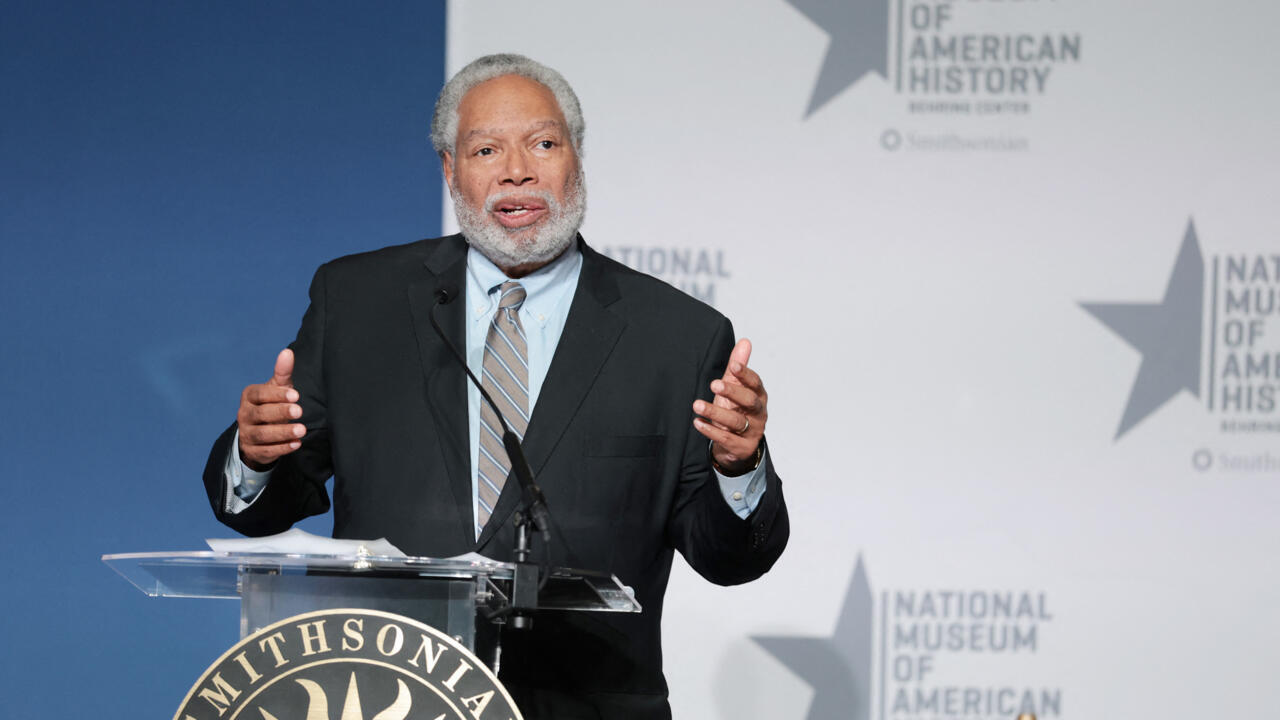
Smithsonian chief Lonnie Bunch steps down amid Trump administration pressure
L 0%C 100%R 0%
Multiple outlets35h ago
US suspends Cognizant’s permanent labour certification filings amid visa fraud probe
L 0%C 100%R 0%
Multiple outlets35h ago
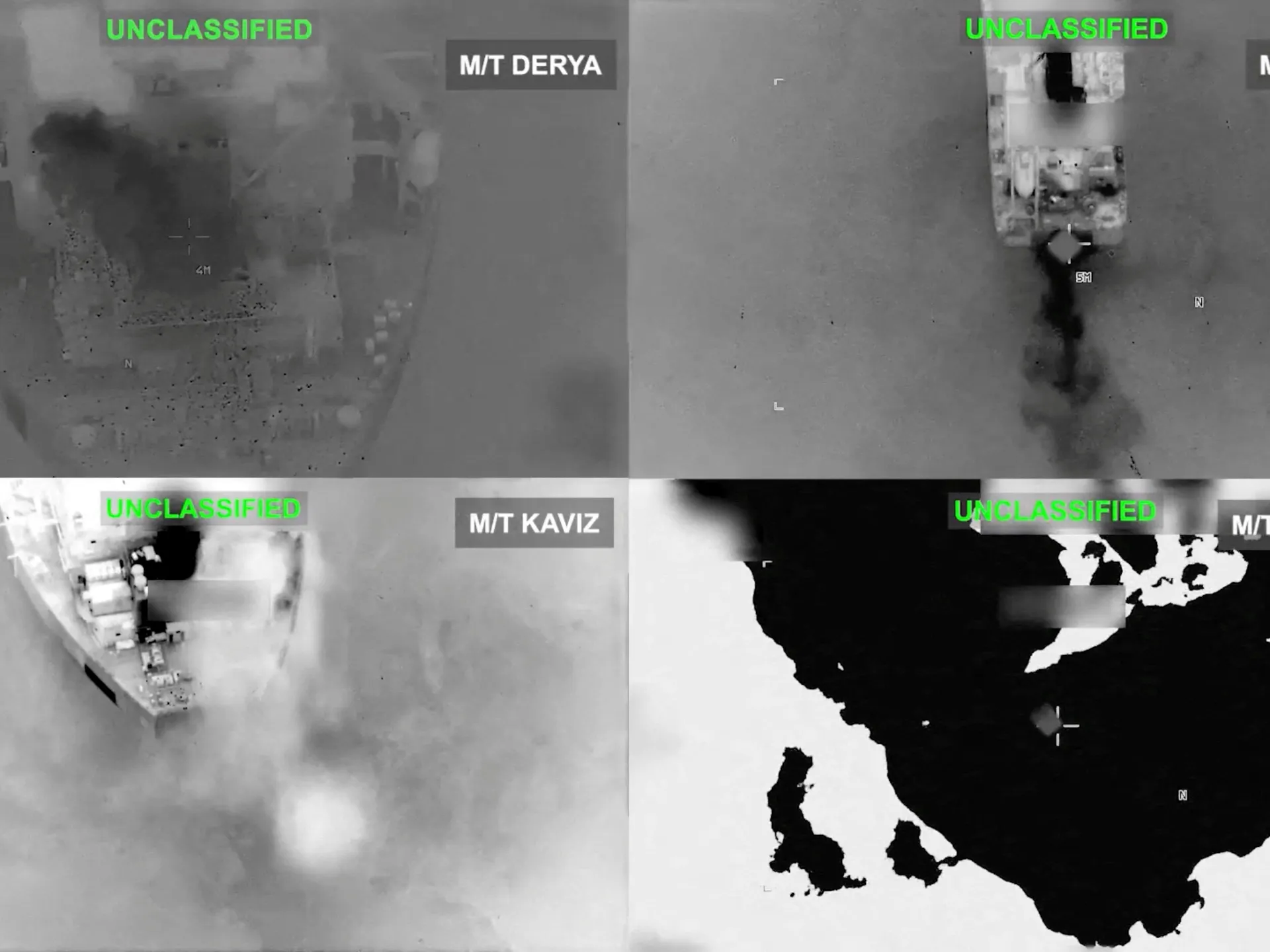
US destroys five Iranian tankers, Iran retaliates with attacks on Jordan
L 0%C 100%R 0%
Multiple outlets35h ago
Seven years after being displaced, Kurdish families return to Serekaniye
L 0%C 100%R 0%
Multiple outlets35h ago
Trump’s trade war with Canada is becoming a prominent issue for American voters
L 0%C 100%R 0%
Multiple outlets35h ago

6 Minutes Of Extra Ocarina Of Time Remake Gameplay
L 0%C 100%R 0%
Multiple outlets35h ago
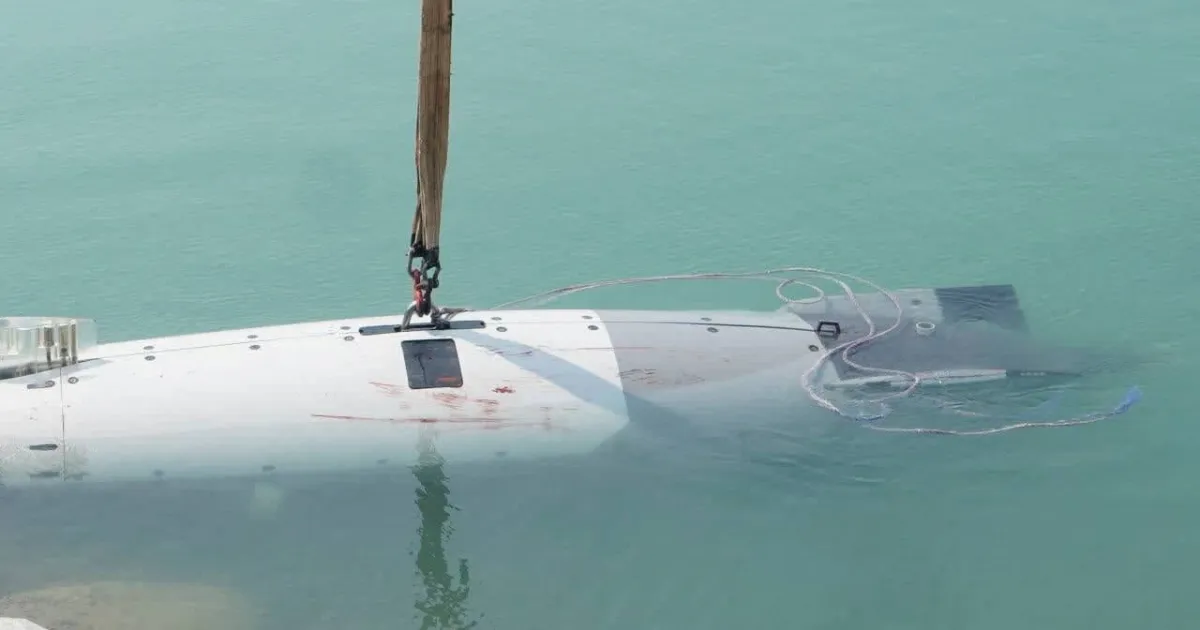
Iran war live: US hits Iranian tankers, IRGC attacks US base in Jordan
L 0%C 100%R 0%
Multiple outlets35h ago
US to ban Canadian motorcycle, dairy, alcohol imports
L 0%C 100%R 0%
Multiple outlets35h ago

New 11
L 0%C 100%R 0%
Multiple outlets35h ago