

Scientists Found Ancient Human DNA on Cave Walls for the First Time, and Some Came From Rock No One Ever Painted
Researchers reporting in ACS Omega used ultraviolet fluorescence spectroscopy from a protected walkway to investigate 37,000-year-old Chauvet Cave drawings without touching them, revealing mineral deposits that may help explain how the ancient art survived.

Coverage across the spectrum
How we rate outletsThe story so far
- A Glowing Clue to How Ancient Cave Artworks Survived.
- Fluorescent Glow Reveals Hidden Glaze on Chauvet Cave’s Ancient Art.
- UV scans uncover natural varnish that may have preserved ancient Chauvet Cave drawings.
Who's reporting it
- TDThe Daily GalaxyCenter
Scientists Found Ancient Human DNA on Cave Walls for the First Time, and Some Came From Rock No One Ever Painted
- SSciTechDailyCenter
Scientists Discover Ancient Human DNA Hidden in Cave Walls for Thousands of Years
- Phys.orgPPhys.orgCenter
UV scans uncover natural varnish that may have preserved ancient Chauvet Cave drawings
- Sci.NewsSSci.NewsCenter
Fluorescent Glow Reveals Hidden Glaze on Chauvet Cave’s Ancient Art
- NNewswiseCenter
A Glowing Clue to How Ancient Cave Artworks Survived
Latest stories

The AFL fixture is like a lottery. Here are the biggest winners (and losers)
Multiple outlets • 2h ago
The fixture arrives like lottery tickets: It might be good, but probably won’t be, and we won’t really know until later. We’ve ranked every club’s 2027 task, in order of difficulty.
3 sources

NDIS managers on leave after COVID cover-up findings
Multiple outlets • 2h ago
Two senior managers overseeing the $50 billion National Disability Insurance Scheme are on leave while the agency reviews damning findings made against them in a Victorian integrity investigation into COVID-19 business grant rorts.
3 sources
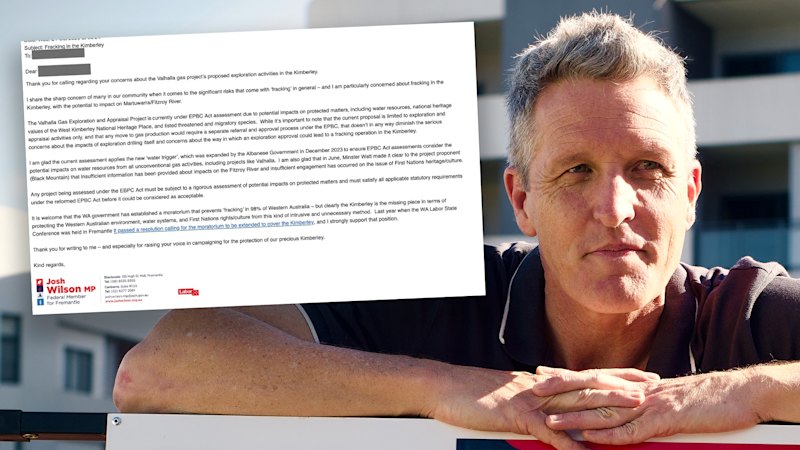
Leaked letter reveals growing Labor rift over Kimberley fracking
Multiple outlets • 3h ago
Federal Member for Fremantle Josh Wilson has become the first Labor member based in WA to reveal he has concerns over the possibility of fracking being undertaken in the Kimberley.
3 sources
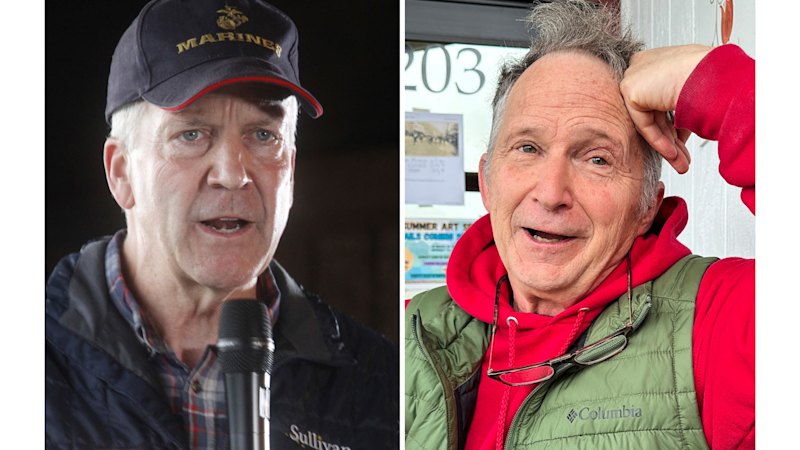
‘Decoy Dan’ dirty trick has sent Trump on the warpath in Alaska
Multiple outlets • 3h ago
The New York Times has revealed a Democratic plot to confuse voters in Alaska by recruiting a “Dan Sullivan” to run against the Republicans’ Dan Sullivan in the state Senate race.
3 sources

Physicists produce X-ray photons above the usual energy threshold
Multiple outlets • 4h ago
Researchers produced X-ray photons above the usual theoretical energy threshold by synchronizing the return of two helium electrons.
2 sources

Adam Liaw’s easy baked chicken pilaf
Multiple outlets • 1h ago
This one-pot pilaf is a delicious dinner when you don’t have the energy to make a biryani.
3 sources
Reader Discussion
Loading comments…