1m ago55m ago2 min read
Corruption and the peso’s growing vulnerability

The Philippine peso’s persistent devaluation reflects a convergence of global shocks and domestic structural weaknesses. While high import dependence, rising debt service and weak industrial competitiveness are widely acknowledged, this paper identifies corruption as a hidden accelerator of peso devaluation. The paper estimates that ₱8.8 trillion was lost to corruption from 2016 to 2025, eroding fiscal buffers, discouraging foreign direct investment, or FDI, and magnifying the peso cost of impor
- The Philippine peso’s persistent devaluation reflects a convergence of global shocks and domestic structural weaknesses. While high import dependence, rising debt service and weak industrial competitiveness are widely acknowledged, this paper identifies corruption as a hidden ...
Key Takeaways
- Corruption and the peso’s growing vulnerability
Media Spectrum
Total: 1 source•Published: 55m ago•Last Updated: 1m ago
0%100%0%
LeftCenterRight
Left-leaning
Coverage Gap
Unreported by left-leaning outlets. Coverage is currently concentrated on other perspectives.
Center
100% of coverage
Inquirer.net (PH)I(
Inquirer.net (PH)
Corruption and the peso’s growing vulnerability
Right-leaning
Coverage Gap
Unreported by right-leaning outlets. Coverage is currently concentrated on other perspectives.
Bias & Framing Analysis
Top Framing Differences
- Left: Coverage gap: Currently unaddressed by verified outlets on this side of the spectrum.
- Center: The Philippine peso’s persistent devaluation reflects a convergence of global shocks and domestic structural weaknesses. While high import dependence, rising debt service and weak industrial competitiveness are widely acknowledged, this paper identifies corruption as a hidden accelerator of peso devaluation. The paper estimates that ₱8.8 trillion was lost to corruption from 2016 to 2025, eroding fiscal buffers, discouraging foreign direct investment, or FDI, and magnifying the peso cost of impor
- Right: Coverage gap: Currently unaddressed by verified outlets on this side of the spectrum.
Overall Tone
Center
Coverage Blindspots
Left
Coverage blindspot: Reporting on this development is currently concentrated in other segments of the media landscape.
Right
Coverage blindspot: Reporting on this development is currently concentrated in other segments of the media landscape.
Sick of the media echo chambers?
Get every side of the week's biggest story in your inbox.
Left vs. Right blindspotsZero spin, just facts5-min read every Friday
Credibility & Editorial Standards
Story FramingCenter
Evaluated across 1 reporting source (0% Left · 100% Center · 0% Right)
L 0%C 100%R 0%
Outlet ConsensusCenter
Historical editorial baseline for Inquirer.net (PH)
WorldCenter
Politics & GovernanceCenter
Credibility ScoreHigh Credibility
89/ 100
Multi-factor accuracy index for Inquirer.net (PH) and related desks based on verifiable sourcing and editorial standards.
Factuality: High 100%
Ownership: Inquirer.net (PH) (Corporate)
Timeline of this story
- 55m agoInquirer.net (PH): The Philippine peso’s persistent devaluation reflects a convergence of global shocks and domestic structural weaknesses. While high import d
Historical Context
Posts on X
Public conversation related to this story
Related

KKL-JNF unveils archival photos showcasing Sukkot celebrations in honor of the holiday
Multiple outlets • 1m ago
The restricted areas - IDF training grounds - are located throughout the Golan Heights, the Carmel region, Ramot Menashe, and the Netofa area.
L 0%C 100%R 0%
2 sources • 2

AFLW round seven: Roos finally leap to life after stunning start by Dees on grand final eve
Multiple outlets • 26m ago
Follow all the action of, and reaction to, round seven – including the grand final eve quadruple header.
L 50%C 50%R 0%
2 sources • 2
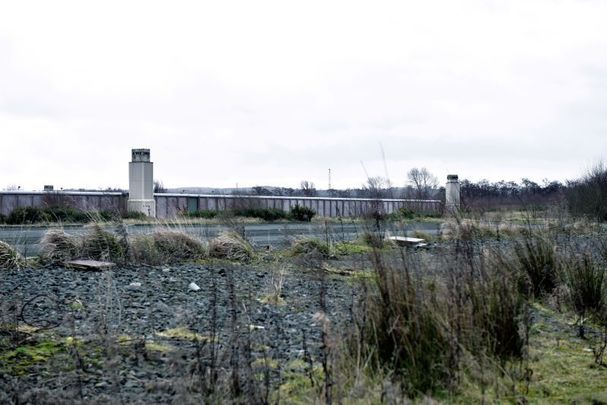
The day 38 IRA prisoners escaped the Maze in the biggest jailbreak in British history
Multiple outlets • 1m ago
The day 38 IRA prisoners escaped the Maze in the biggest jailbreak in British history
L 0%C 100%R 0%
1 sources • 1

Foreign Ministry aims at online younger generation in new digital public diplomacy efforts
Multiple outlets • 1m ago
Data from the UNmasked UN campaign shows that one of the most prominent age groups it reaches is people aged 25 to 35, with significant success in English-speaking countries, led by the US and UK.
L 0%C 100%R 0%
1 sources • 1

Israel is fighting a new war on the financial front – and it is not ready - opinion
Multiple outlets • 1m ago
Settler violence has been treated as a nuisance rather than as a strategic threat that hands Israel’s adversaries ammunition on a silver platter.
L 0%C 100%R 0%
1 sources • 1
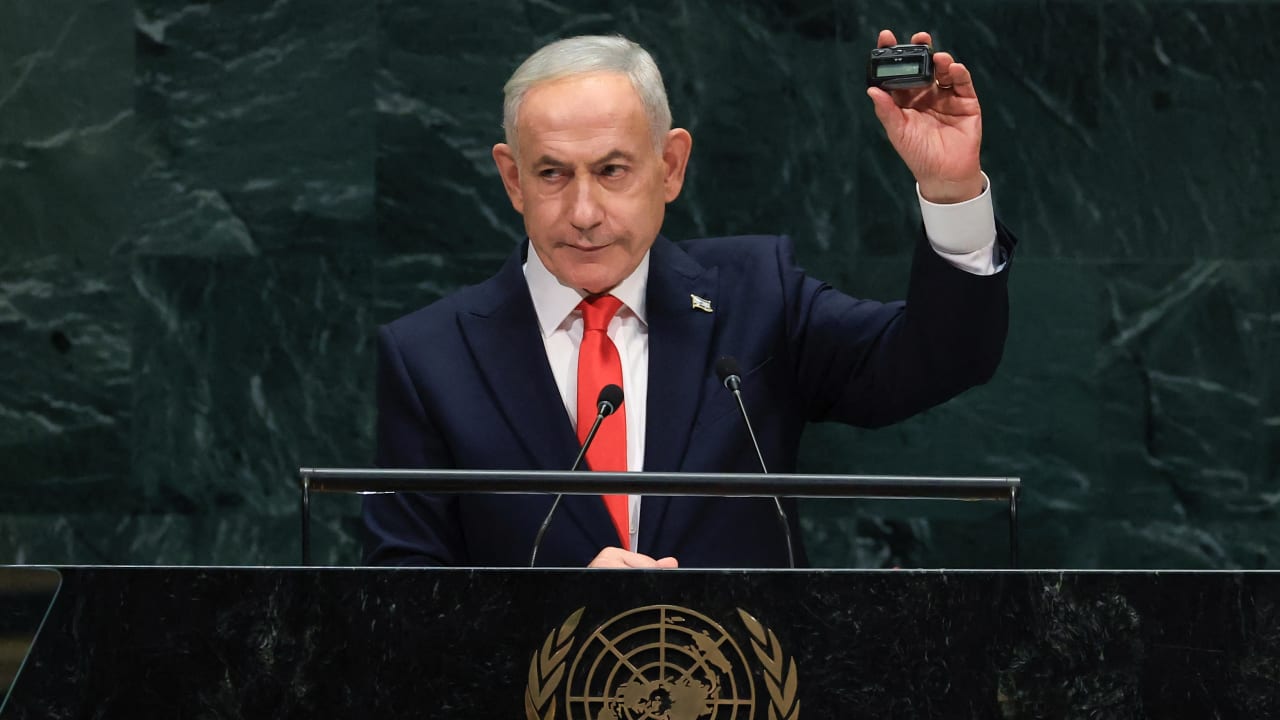
Netanyahu turned the UN into campaign theater – but will Israelis buy the show?
Multiple outlets • 1m ago
NATIONAL AFFAIRS: The prime minister presents himself on the global stage as a leader uniquely equipped to defend Israel in a hostile world, seeking to bring that same message home to Israeli voters.
L 0%C 100%R 0%
1 sources • 1

Prominent Kabbalist Rabbi David Batzri dies at 85 after collapsing at home
Multiple outlets • 1m ago
Batzri served as the head of Yeshivat Hashalom in Jerusalem.
L 0%C 100%R 0%
1 sources • 1

IDF chief Zamir establishes expert team to investigate drone accident that killed two soldiers
Multiple outlets • 1m ago
The team, led by a Ground Forces brigadier-general, will examine the incident in order to ensure a similar one does not occur again.
L 0%C 100%R 0%
1 sources • 1

Gov't warns against bringing Four Species into Israel without authorization ahead of Sukkot
Multiple outlets • 1m ago
The warning was issued with special consideration for the situation at Ben-Gurion Airport, which has become a bustling hub, with chaos on the rise.
L 0%C 100%R 0%
1 sources • 1

Argentine President Javier Milei dances with yeshiva students after receiving Lover of Israel prize
Multiple outlets • 1m ago
In his speech at the yeshiva, Milei thanked his hosts for presenting him with the award and said he viewed it as a commitment to continue supporting the Jewish people.
L 0%C 100%R 0%
1 sources • 1
Reader Discussion
Loading comments…
Explore More Stories
KKL-JNF unveils archival photos showcasing Sukkot celebrations in honor of the holiday
L 0%C 100%R 0%
Multiple outlets1m ago
AFLW round seven: Roos finally leap to life after stunning start by Dees on grand final eve
L 50%C 50%R 0%
Multiple outlets26m ago
The day 38 IRA prisoners escaped the Maze in the biggest jailbreak in British history
L 0%C 100%R 0%
Multiple outlets1m ago
Foreign Ministry aims at online younger generation in new digital public diplomacy efforts
L 0%C 100%R 0%
Multiple outlets1m ago
Israel is fighting a new war on the financial front – and it is not ready - opinion
L 0%C 100%R 0%
Multiple outlets1m ago
Netanyahu turned the UN into campaign theater – but will Israelis buy the show?
L 0%C 100%R 0%
Multiple outlets1m ago
Prominent Kabbalist Rabbi David Batzri dies at 85 after collapsing at home
L 0%C 100%R 0%
Multiple outlets1m ago
IDF chief Zamir establishes expert team to investigate drone accident that killed two soldiers
L 0%C 100%R 0%
Multiple outlets1m ago
Gov't warns against bringing Four Species into Israel without authorization ahead of Sukkot
L 0%C 100%R 0%
Multiple outlets1m ago
Argentine President Javier Milei dances with yeshiva students after receiving Lover of Israel prize
L 0%C 100%R 0%
Multiple outlets1m ago

Three million people alive today may descend from one Irish High King
L 0%C 100%R 0%
Multiple outlets1m ago

Qatar criticizes Israel democracy, promotes own advancing social rights during UN General Assembly
L 0%C 100%R 0%
Multiple outlets1m ago

FULL LIST: S’Arabia, Iran, others walk out as Netanyahu attacks Mamdani
L 0%C 100%R 0%
Multiple outlets5m ago

Salisbury: The National League South club about to embark on a once-in-a-lifetime trip to Kuwait
L 100%C 0%R 0%
Multiple outlets18m ago

Bay City Rollers guitarist Neil Henderson dies aged 73
L 0%C 100%R 0%
Multiple outlets19m ago

New pedestrian and cycle path opens between Carrigart and Downings
L 0%C 100%R 0%
Multiple outlets19m ago

Finn Harps’ postponement plea rejected as three players on international duty
L 0%C 100%R 0%
Multiple outlets19m ago

Motorists warned to expect delays for resurfacing works in West Donegal
L 0%C 100%R 0%
Multiple outlets19m ago

Loreto Letterkenny 'rain' supreme with brilliant 5k
L 0%C 100%R 0%
Multiple outlets19m ago

Letterkenny man faces charge over €1,900 cannabis stash
L 0%C 100%R 0%
Multiple outlets19m ago