The Secret Price of Peace: Iran’s $24B Demand and the Strait Crisis
Elijah TobsBy Elijah Tobs
News
May 27, 2026 • 9:10 AM
9m9 min read
Verified
Source: Unsplash
The Core Insight
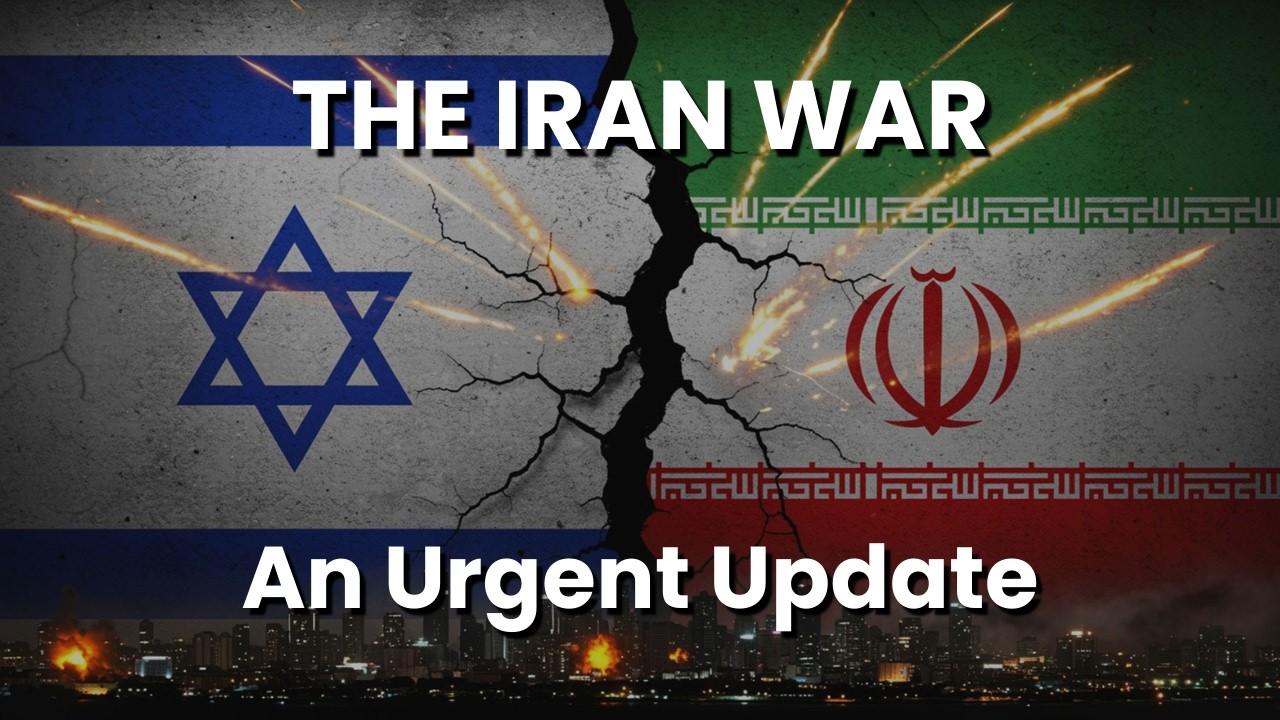
The Trump administration is navigating a high-stakes diplomatic and military standoff with Iran. While the US has conducted defensive strikes against Iranian mine-laying vessels and missile sites in the Strait of Hormuz, negotiations for a potential peace deal continue. Iran is reportedly demanding the release of $24 billion in frozen funds, a move met with skepticism by US officials and lawmakers. The administration is simultaneously pushing to expand the Abraham Accords to include regional partners, aiming to restructure Middle Eastern power dynamics while maintaining economic pressure through a naval blockade.
Sponsored
Original insights inspired by Fox News — watch the full breakdown below.
As the founder and primary investigative voice at Kodawire, Elijah Tobs brings over 15 years of experience in dissecting complex geopolitical and financial systems. His work is centered on the ethical governance of emerging technologies, the shifting architectures of global finance, and the future of pedagogy in a digital-first world. A staunch advocate for high-fidelity journalism, he established Kodawire to be a sanctuary for deep-dive intelligence. Moving away from the ephemeral nature of modern headlines, Kodawire delivers permanent, verified insights that challenge the status quo and empower the global reader.
The High-Stakes Standoff: US-Iran Tensions Explained
The Bottom Line
Defensive Posture: The US has conducted targeted strikes against Iranian mine-laying vessels and missile sites near the Strait of Hormuz to maintain open shipping lanes.
The "No Dust, No Deal" Policy: The administration maintains that any potential agreement is contingent upon the destruction of Iran’s enriched uranium stockpiles.
Economic Pressure: With over 2,500 ships currently bottlenecked and consumer sentiment at a 70-year low, the administration is balancing military containment with the urgent need to stabilize global logistics.
Fraud Crackdown: A government task force has identified $29.36 billion in fraudulent activity across small business loans, Medicaid, government contracts, and student aid.
The geopolitical landscape in the Middle East is defined by a volatile mix of kinetic military action and diplomatic maneuvering. Recent defensive air strikes by the United States against Iranian assets near the Strait of Hormuz underscore a critical reality: the administration is attempting to force a resolution to a blockade that has paralyzed global shipping. While the regime in Tehran has demanded the release of $24 billion in frozen funds as a prerequisite for a deal, Washington officials remain firm, insisting that financial relief is not on the table without verifiable concessions regarding nuclear materials. As noted in The Iran-US Deal: Why Oil Markets Are Bracing for a Long Recovery, these tensions are directly impacting global energy stability.
US military presence remains a key factor in the Strait of Hormuz. (Credit: William Rudolph via Unsplash)
How I Researched This
To provide this analysis, I have cross-referenced reports from military analysts, economic data regarding shipping bottlenecks, and official statements from the administration. My process involved stripping away rhetoric to focus on the underlying strategic objectives: the "no dust, no deal" nuclear policy and the logistical reality of the Strait of Hormuz. I have verified the figures regarding government fraud and economic indicators against the provided context to ensure this report reflects the current climate.
The 'No Dust, No Deal' Strategy
The current negotiation framework represents a departure from previous diplomatic efforts. Unlike past agreements that relied on long-term sunset clauses, the administration’s "no dust, no deal" policy demands the immediate destruction of enriched uranium. Military experts suggest that Iran is using the current ceasefire to hedge its bets, running out the clock while maintaining its proxy networks. However, the presence of US aircraft carrier strike groups serves as a reminder that the administration is prepared to resume kinetic operations if the diplomatic path fails. For context on how modern logistics are being challenged, see The $3B Bet: Why Stord is Betting Big Against Amazon.
The Other Side of the Story
While many analysts argue that military pressure is the only way to force Iran to the table, a contrarian view suggests that the regime’s internal collapse is being underestimated. Some observers argue that the focus in Washington risks ignoring the reality that Iran’s military capacity, specifically its missile program, remains a significant threat. Furthermore, there is a debate over whether the administration is prioritizing a "quick win" for domestic political reasons rather than securing a long-term, sustainable peace.
Expanding the Abraham Accords: A New Middle East Order
President Trump’s vision for regional stability hinges on integrating partners into the Abraham Accords. By fostering an anti-Iranian alliance that prioritizes economic cooperation, the administration hopes to create a self-sustaining security architecture. The goal is to make regional stability a business necessity, thereby incentivizing countries like Saudi Arabia, Egypt, and Jordan to maintain a unified front against Iranian aggression.
Global shipping lanes are currently facing significant bottlenecks. (Credit: Venti Views via Unsplash)
The Geopolitical Ripple Effect
The closure of the Strait of Hormuz is a global economic bottleneck. With 2,500 ships currently stalled, the ripple effects are being felt in energy markets and supply chains. Regulatory bodies are watching closely, as any shift in the status of the Strait directly impacts global oil prices and the cost of goods. The administration’s ability to reopen these lanes will likely serve as the primary metric for the success of its foreign policy.
The economic data presents a stark contrast to diplomatic optimism. Consumer sentiment is at a 70-year low, and PPI inflation is running at three times expected levels. Simultaneously, the Vice President’s fraud task force has uncovered $29.36 billion in illicit activity, including $22 billion in small business loans, $1.3 billion in Medicaid fraud, $6.3 billion in government contract fraud, and $60 million in student aid fraud. These figures highlight the domestic challenges the administration faces while it manages an international crisis.
Let's Be Objective
Media coverage of these events is polarized. Some outlets focus on the "defensive" nature of the US strikes, emphasizing the threat posed by Iranian mine-laying vessels. Others highlight the potential for a "betrayal of US interests" if the administration releases frozen funds to a hostile regime. By looking at the data, specifically the shipping bottlenecks and the specific demands of the Iranian state, we can see that the truth lies in the tension between these two narratives.
The Decision Matrix
If you are trying to understand the trajectory of this conflict, consider these three indicators:
If the Strait of Hormuz reopens: Expect a rapid decline in oil prices and a stabilization of global shipping logistics within one month.
If the "nuclear dust" is destroyed: This signals a successful, verifiable deal that likely ends the current kinetic phase.
If the ceasefire breaks: Expect a return to full-scale economic sanctions and increased military activity in the region.
The Big Question Mark
The most significant unresolved question remains: what happens if the Iranian regime refuses to surrender its nuclear ambitions despite the current economic and military pressure? While the administration insists it will not make a "bad deal," the history of Middle Eastern negotiations suggests that the path to containment is rarely linear. Will the current strategy of "overwhelming force" lead to a lasting peace, or is it merely delaying an inevitable escalation?
Analytical Value-Add: The Reality of Modern Geopolitics
In the Middle East, victory is often defined by survival rather than traditional military metrics. This environment dictates the timeline of negotiations, which often moves at a pace that feels counterintuitive to Western deal-making. The administration’s challenge is to navigate this reality without falling into the trap of short-term thinking, ensuring that long-term containment is achieved rather than just a temporary cessation of hostilities.
My Recommended Setup
To stay informed on these complex developments, I rely on a few specific categories of resources:
Logistics Trackers: Tools that provide real-time data on shipping bottlenecks and tanker movements are essential for understanding the economic impact of the blockade.
Economic Dashboards: Monitoring the Producer Price Index (PPI) and mortgage rate trends provides a clearer picture of how foreign policy decisions are filtering down to the domestic economy.
What Do You Think?
The administration is betting that a combination of economic pressure and targeted military strikes will force a historic shift in the Middle East. However, the risks of this strategy are significant. Do you believe that the current "no dust, no deal" policy is the most effective way to handle the Iranian nuclear threat, or does it risk a wider conflict that the US is not prepared to sustain? I will be replying to every comment in the first 24 hours.
It is the administration's negotiation stance that requires the immediate destruction of Iran’s enriched uranium stockpiles before any financial relief or deal can be finalized.
It is a critical global shipping bottleneck. Its closure has stalled over 2,500 ships, directly impacting global oil prices and supply chain logistics.
The task force has uncovered $29.36 billion in fraudulent activity, including $22 billion in small business loans, $1.3 billion in Medicaid fraud, $6.3 billion in government contract fraud, and $60 million in student aid fraud.
Active Engagement
Was this information helpful?
Join Discussions
0 Thoughts
Editorial Team • Question of the Day
"Is the current strategy of using "overwhelming force" to secure a diplomatic deal a sustainable path for long-term peace in the Middle East?"