Nigeria’s Crisis: Why Leaders and Citizens Are at a Breaking Point
Elijah TobsBy Elijah Tobs
News
May 27, 2026 • 9:13 AM
2m2 min read
Verified
The Core Insight
This report synthesizes the current state of Nigeria, highlighting the intersection of political posturing, severe security challenges, and economic despair. From the APC's claims of massive membership dominance to the harrowing reality of kidnappings in Kebbi and Kwara, the discourse reflects a nation grappling with a disconnect between leadership rhetoric and the lived experience of its citizens.
Sponsored
Original insights inspired by Arise News — watch the full breakdown below.
As the founder and primary investigative voice at Kodawire, Elijah Tobs brings over 15 years of experience in dissecting complex geopolitical and financial systems. His work is centered on the ethical governance of emerging technologies, the shifting architectures of global finance, and the future of pedagogy in a digital-first world. A staunch advocate for high-fidelity journalism, he established Kodawire to be a sanctuary for deep-dive intelligence. Moving away from the ephemeral nature of modern headlines, Kodawire delivers permanent, verified insights that challenge the status quo and empower the global reader.
The State of the Nation: Political Maneuvering, Security Crises, and the Search for Accountability
The Short Version
Political Membership Claims: APC leadership claims 12.9 million members, yet critics demand forensic verification amid reports of irregular vote counting.
Escalating Insecurity: From midnight abductions in Kebbi to deadly attacks in Kwara, the security apparatus is under fire for failing to protect citizens.
Economic Reality: Public discourse is split between government claims of "personal sacrifice" and widespread frustration over inflation and the devaluation of the Naira.
Institutional Reform: Experts argue that electoral laws alone cannot fix systemic issues without a fundamental shift in political character and accountability.
As we move through 2026, the Nigerian political and social landscape is defined by a widening chasm between official narratives and the lived reality of its citizens. While political parties gear up for the 2027 cycle with bold membership claims and primary contests, the average Nigerian is grappling with a security crisis that has turned prayer grounds and homes into sites of tragedy. I have spent the last few days digging into the data and the rhetoric surrounding these events, and it is clear that the "business of politics" is currently operating on a frequency entirely different from the "business of survival."
The Political Landscape: 2027 Maneuvering and Membership Claims
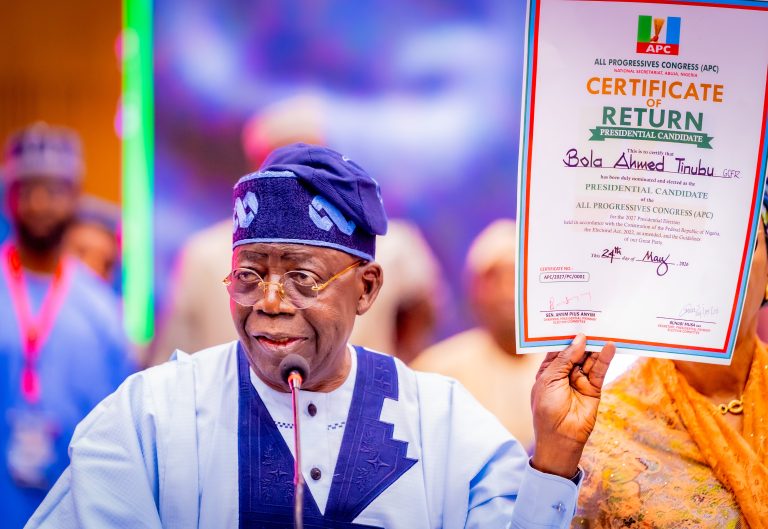
APC National Chairman Nenate Yilwata recently asserted that the ruling party holds 12.9 million registered members, a figure he claims dwarfs the combined strength of all opposition parties. However, these numbers are being met with significant skepticism. The scrutiny is not merely about the raw data; it is about the process. Viral footage from party primaries has shown officials skipping numbers during vote counts, leading many to label the "Option A4" open ballot system as "Option A Fraud." For deeper context on how these internal party dynamics are shifting, see our analysis of the Tinubu Strategy and 2027 APC primary results.
The integrity of the electoral process remains a central concern for Nigerian voters. (Credit: Chela B. via Unsplash)
How I Researched This
To provide this analysis, I have cross-referenced official party statements with independent reports from electoral observers and viral documentation of primary processes. I have focused on the discrepancy between the "official" membership figures and the lack of forensic evidence to support these claims. My goal is to strip away the partisan spin and focus on the structural integrity of the electoral process as it stands in 2026.
The concern is that these inflated membership figures are being used to build a narrative of inevitability for 2027. When party officials claim near-unanimous support, they often ignore the lack of transparency in how those votes are tallied. If a party cannot accurately count a few dozen people in a primary, the public remains rightfully wary of the integrity of a national election. For a look at how other parties are positioning themselves, read our report on Nigeria's 2027 Power Play.
Insecurity: A Nation Under Siege
The human cost of the current security climate is staggering. In Kebbi state, 13 people were abducted from their homes at 1:00 a.m. In Kwara, a prayer vigil at a mountain site ended in the death of three worshippers and the kidnapping of 15 others. These are not isolated incidents; they are part of a pattern that has left communities feeling abandoned. The United Nations has frequently highlighted the need for better protection of civilians in conflict-affected regions.
"The irony of the Kwara prayer ground is that it is called a 'victory mountain,' yet the attackers cynically converted that title to its opposite."
Perhaps most disturbing are the allegations raised by Enoch Yana regarding the "business of terrorism." Yana claims that rehabilitated insurgents are receiving monthly stipends of 50,000 to 70,000 Naira and one-off payments of 3 million Naira, while victims remain displaced and forgotten. The public is increasingly demanding to know why perpetrators appear to be receiving financial support while the families of the victims struggle to bury their dead.
The Other Side of the Story
While many argue that Nigeria is a "hopeless case," there is a counter-argument that the nation is not dead, but merely dormant. The belief here is that the country’s potential remains intact, waiting for a citizenry that demands accountability. The "hopelessness" narrative, while understandable given the economic and security pressures, may actually serve to keep the population docile. True change begins when the public stops accepting the "shenanigans" of leadership as the status quo.
Economic Hardship and the 'Nigeria is Dead' Debate
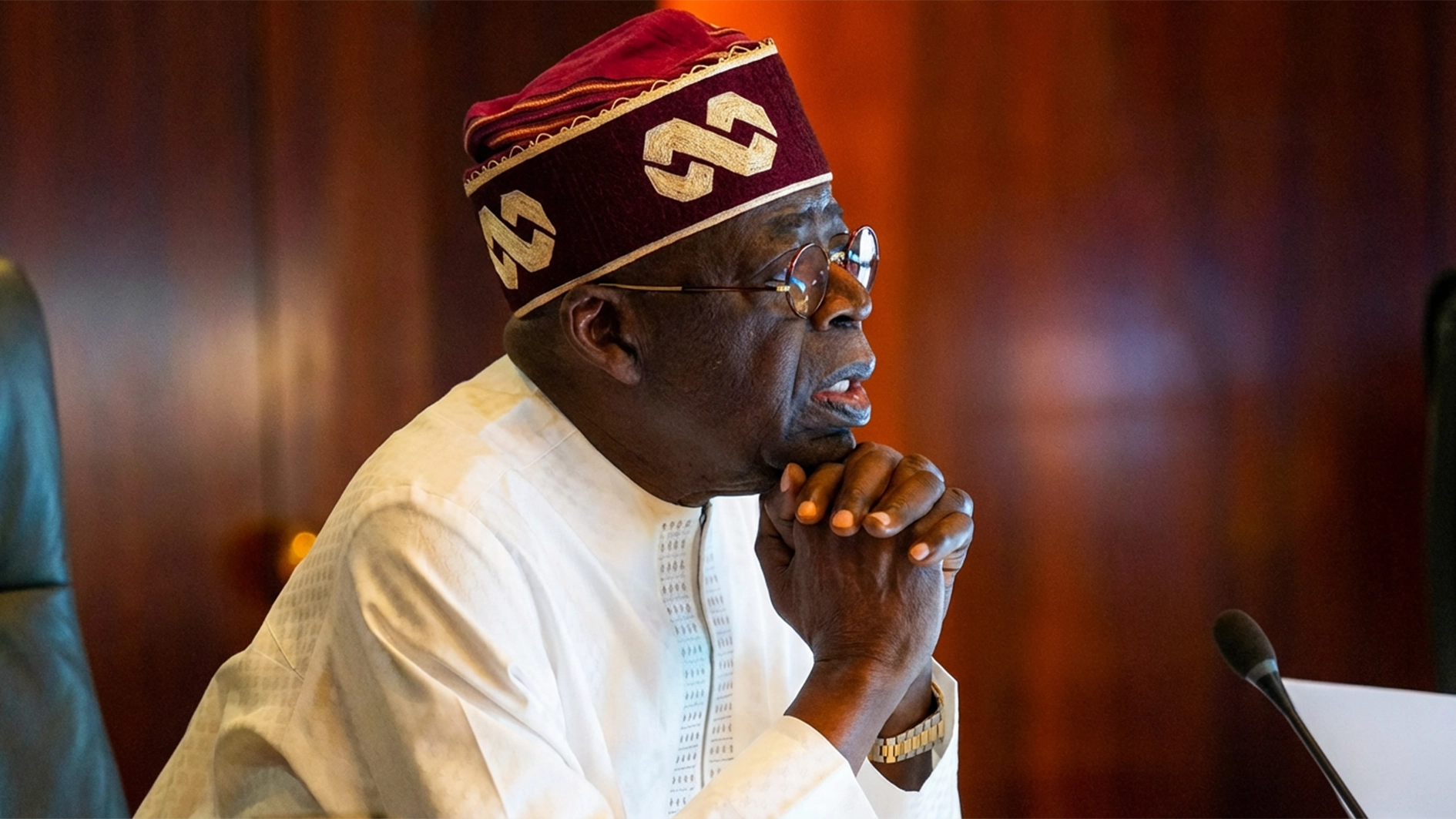
President Bola Ahmed Tinubu has defended his economic reforms, citing personal weight loss and lost sleep as evidence of his commitment to the nation’s future. However, for the average household, the rhetoric of "sacrifice" rings hollow. Pastor Paul Adefarasin’s recent sermon, in which he declared "Nigeria is dead" and warned that counting wealth in Naira is a sign of poverty, has struck a nerve. It reflects a deep-seated anxiety about the loss of purchasing power and the devaluation of the national currency. For more on the economic landscape, see our coverage on why Nigeria cancelled a $717M World Bank power loan.
Economic volatility continues to impact the daily lives of Nigerian citizens. (Credit: Tope. A Asokere via Unsplash)
The Geopolitical Ripple Effect
The instability in Nigeria is not occurring in a vacuum. As the nation struggles with internal security, its ability to project influence in the West African sub-region is diminished. Furthermore, the global context, including US military strikes in Iran and the Pope’s historic apology for the Church’s role in slavery, highlights a world in flux. Nigeria’s internal security failures are increasingly drawing calls for international intervention, which could shift the country’s diplomatic standing in the coming years.
Analytical Synthesis: The Crisis of Trust
The core issue facing Nigeria in 2026 is a crisis of trust. Whether it is the electoral process, the rehabilitation of insurgents, or the management of the economy, the gap between the government and the governed is widening. The "Option A4" system, once celebrated as a landmark reform, is now being weaponized. Without institutional reform that prioritizes transparency over political optics, the cycle of distrust will likely continue.
The Unfiltered Truth
Media coverage of these events is heavily polarized. Pro-government outlets often emphasize the "visionary" nature of economic reforms and the success of security operations, while opposition-leaning platforms focus on the failures and the human suffering. The truth lies in the data that neither side wants to highlight: the lack of independent verification for both electoral results and security success stories.
What Should You Do Next?
If you are concerned about the state of the nation, consider these steps:
Verify, Don't Just Consume: When you see viral videos of vote counting, look for context and official observer reports before sharing.
Engage Locally: Support community-led security initiatives that have proven effective in protecting neighborhoods.
Demand Accountability: Use your voice to ask specific questions of your local representatives regarding the allocation of security budgets.
The Big Question Mark
The most lingering question remains: If the government is indeed investing in the rehabilitation of insurgents, where is the tracking mechanism to ensure these individuals do not return to the battlefield? Until there is a transparent, public-facing audit of these programs, the suspicion that the "business of terrorism" is being funded by taxpayers will continue to erode national morale.
My Recommended Setup
To stay informed and secure in 2026, I rely on a few specific categories of tools:
Fact-Checking Aggregators: I use platforms that specialize in cross-referencing viral claims against official electoral and police records.
Encrypted Communication: For community safety, I recommend using end-to-end encrypted messaging apps to coordinate with trusted neighbors and local security groups.
Financial Tracking Apps: Given the volatility of the Naira, I use personal finance tools that allow for real-time tracking of inflation-adjusted purchasing power.
What Do You Think?
We have covered a lot of ground today, from the halls of power to the frontlines of the security crisis. I want to hear from you: Do you believe that the current electoral reforms are sufficient to ensure a credible 2027 election, or is the system fundamentally broken beyond repair? I will be in the comments section for the next 24 hours to discuss your thoughts.
Critics are skeptical of the 12.9 million member figure due to a lack of forensic evidence and reports of irregular vote counting during primary processes.
There are claims that rehabilitated insurgents receive monthly stipends and one-off payments, while victims of the violence remain displaced and without support.
The devaluation of the Naira and rising inflation have led to widespread frustration, with some public figures declaring that the current economic state is unsustainable.
Active Engagement
Was this information helpful?
Join Discussions
0 Thoughts
Editorial Team • Question of the Day
"If you had the power to implement one immediate change to Nigeria's electoral process, would you prioritize technology-driven verification or a return to manual, community-monitored transparency?"