The Secret Reason You’re Always Tired: Reset Your Body Clock Today
Elijah TobsBy Elijah Tobs
Health
May 28, 2026 • 4:15 PM
2m2 min read
Source: Shutterstock
The Core Insight
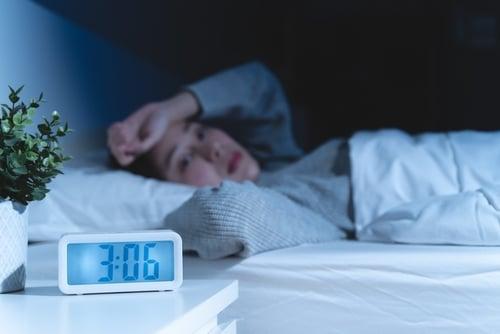
Many people suffer from chronic fatigue due to a misaligned circadian rhythm. This guide explores how erratic sleep schedules, lack of wind-down routines, and artificial light exposure disrupt biological functions, and provides a three-step framework to reset your internal clock for better energy and long-term health.
As the founder and primary investigative voice at Kodawire, Elijah Tobs brings over 15 years of experience in dissecting complex geopolitical and financial systems. His work is centered on the ethical governance of emerging technologies, the shifting architectures of global finance, and the future of pedagogy in a digital-first world. A staunch advocate for high-fidelity journalism, he established Kodawire to be a sanctuary for deep-dive intelligence. Moving away from the ephemeral nature of modern headlines, Kodawire delivers permanent, verified insights that challenge the status quo and empower the global reader.
The Hidden Link Between Your Body Clock and Daily Energy
The Bottom Line
Sync Your Schedule: Wake up and go to bed at the same time every day to anchor your internal clock.
Create a Buffer Zone: Dedicate 30–60 minutes before bed to non-stimulating activities like reading or a warm bath.
Kill the Light: Eliminate artificial light from screens and lamps to signal to your brain that it is time for rest.
Consistency is Key: Treat your circadian rhythm like a precision instrument that requires daily calibration.
We have all been there: the alarm clock rings, and despite spending eight hours in bed, you feel as though you haven't slept at all. You drag yourself through the morning, relying on caffeine to bridge the gap between grogginess and functionality. I have spent years observing how my own energy levels fluctuate, and I have learned that this persistent fatigue is rarely just about the quantity of sleep. More often, it is a symptom of a fundamental misalignment between your lifestyle and your internal biology, specifically, your circadian rhythm.
In my own experience, I found that treating my sleep as a "whenever I get to it" activity was the primary driver of my afternoon slumps. When I finally began to view my body clock as a high-precision instrument rather than a flexible suggestion, the quality of my rest, and my waking life, changed entirely. If you are looking to optimize your rest, you might also find value in exploring the science of bedtime routines to further refine your evening habits.
The Hidden Link Between Your Body Clock and Daily Energy
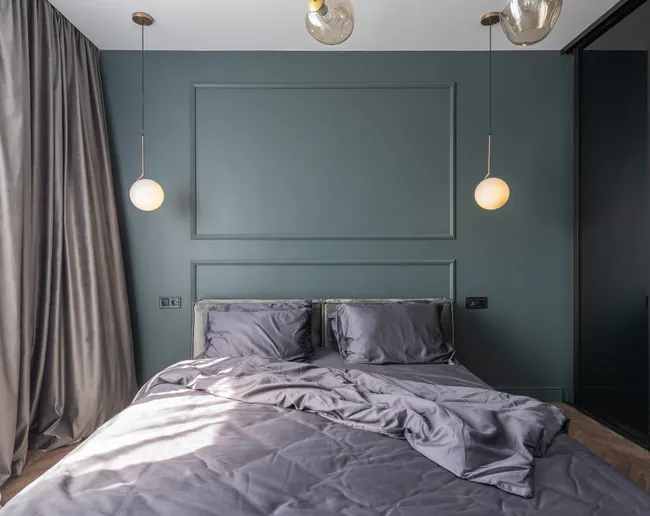
A consistent sleep environment is essential for circadian health. (Credit: Jp Valery via Unsplash)
At its core, the circadian rhythm is the internal regulator of your wakefulness and sleepiness. It is the biological conductor of your daily symphony. When this rhythm is synchronized with the natural environment, you should wake up feeling genuinely energized. However, when that clock is "out-of-whack," the consequences extend far beyond a bad morning.
Disruption to this rhythm interferes with your brain’s wave patterns, hormone production, and essential cell regulation. This is not merely a matter of feeling tired; it is a systemic issue. Research has linked chronic circadian misalignment to serious health outcomes, including depression, obesity, cancer, and cardiovascular disease. When we ignore our biology, we are essentially asking our cells to function in a state of constant confusion. For more on how systemic health is interconnected, consider reading about the hidden link between oral health and heart function.
Important Medical Context
The information provided here is for educational purposes only and does not constitute medical advice, diagnosis, or treatment. If you are experiencing chronic sleep disturbances, persistent fatigue, or symptoms of depression, please consult a qualified healthcare professional. Always seek the advice of your physician regarding any medical condition.
Step 1: Master Your Sleep Schedule
The most common mistake I see people make is treating their sleep schedule as a variable. If you go to bed at 10:00 PM on Tuesday but stay up until 2:00 AM on Friday, you are effectively giving your body "jet lag" every single week. An erratic sleep schedule is the fastest way to throw off your internal clock.
To wake up feeling refreshed, you must commit to a fixed bedtime and a consistent wake-up time. This consistency acts as a biological trigger. When you maintain a set schedule, the realization that it is "past your bedtime" becomes a psychological cue that helps you relax, signaling to your nervous system that the day’s demands have concluded.
The Unpopular Opinion
Most people believe that "catching up" on sleep over the weekend is a valid strategy for recovery. I disagree. Attempting to "bank" sleep on Saturday morning only serves to further scramble your circadian rhythm, making it even harder to fall asleep on Sunday night. Consistency, even on weekends, is far more effective than intensity.
Step 2: The 30-60 Minute Wind-Down Ritual
Creating a buffer zone with low-stimulation activities helps the brain transition to sleep. (Credit: Dev Prajapati via Unsplash)
If you are working or watching high-stimulation television up until the moment your head hits the pillow, you are denying your brain the transition period it requires to shift from "alert" to "rest." You need a dedicated pre-sleep ritual to set aside the day's anxieties.
Whether it is taking a warm bath or reading a book, the activity itself matters less than the intent: creating a buffer zone. During these 30 to 60 minutes, you must avoid anything stimulating, such as professional emails or browsing the internet. By creating this space, you allow your mind to gear down naturally.
The Clinical Reality
Clinical observations suggest that the brain requires a "cool-down" phase to transition from beta waves (associated with active thinking) to alpha and theta waves (associated with relaxation and sleep). If you remain in a state of high stimulation, you may experience:
Increased cortisol levels near bedtime.
Difficulty initiating sleep (sleep latency).
Fragmented sleep cycles throughout the night.
Step 3: Eliminating Light Pollution in Your Bedroom
Your body’s clock is hardwired to respond to light. This is an evolutionary mechanism: we are designed to be alert when the sun is shining and to prepare for rest when the environment darkens. In our modern world, we have effectively "broken" this sensor by surrounding ourselves with artificial light from phones, TVs, and computers. According to the National Sleep Foundation, light exposure is the primary zeitgeber (time-giver) for the human circadian system.
When you expose yourself to these light sources late at night, you are sending a false signal to your brain that it is still daytime. This confusion makes it nearly impossible for your body to determine when it should be producing the hormones necessary for deep, restorative sleep. If you want to reset your clock, the bedroom must be a sanctuary of darkness.
The Decision Matrix
Not sure where to start? Use this simple guide to identify your biggest hurdle:
If you stay up late on your phone: Start by charging your device in another room.
If you have a chaotic schedule: Set a "lights out" alarm for 30 minutes before your target bedtime.
If you feel anxious at night: Replace screen time with 15 minutes of reading a physical book.
How I Researched This
My approach to this topic involved cross-referencing established biological principles regarding circadian rhythms with current behavioral health research. I focused on identifying the physiological mechanisms, such as light sensitivity and hormonal regulation, that dictate sleep quality. By stripping away the "wellness industry" hype, I have focused on the core, evidence-based habits that allow the body to recalibrate itself naturally.
The 10-Second Micro-Habit
Tonight, before you do anything else, set your phone to "Do Not Disturb" and place it face down across the room. This 10-second action removes the temptation to browse and reduces the immediate impact of blue light on your eyes.
Analytical Synthesis: Why Modern Life Fights Your Biology
We live in an "always-on" culture that is fundamentally at odds with our biology. We treat our bodies like machines that can be switched on and off at will, but the reality is that we are biological organisms that require calibration. The "always-on" lifestyle creates a constant state of biological mismatch, where our internal clocks are perpetually chasing a schedule that doesn't exist in nature. For those interested in how other lifestyle factors impact longevity, you might look into the benefits of dietary choices on long-term health.
The key takeaway is that you cannot force your body to sleep; you can only create the conditions that allow sleep to happen. By prioritizing consistency over intensity, you stop fighting your biology and start working with it. If you wake up feeling groggy, do not look for a new supplement or a "hack." Look at your pre-sleep habits, look at your light exposure, and look at your schedule. The solution is almost always found in the basics.
Analog Alarm Clock: Using a dedicated clock removes the need to have a phone on your nightstand.
Blue-Light Blocking Glasses: If you must use a screen in the evening, these can help mitigate the impact of artificial light on your circadian sensors.
Physical Books: A low-stimulation way to transition the mind away from the day's stressors.
What Do You Think?
Have you noticed a specific time of day where your energy levels consistently crash, or have you successfully "reset" your own body clock using a specific routine? I am curious to hear what works for you. I will be replying to every comment in the first 24 hours.
An erratic sleep schedule disrupts your circadian rhythm, which acts as your body's internal clock. When you change your sleep times frequently, you essentially give your body 'jet lag,' preventing it from regulating hormones and sleep cycles effectively.
Your body is hardwired to respond to light as a signal for alertness. Exposure to artificial light from screens and lamps at night tricks your brain into thinking it is still daytime, which inhibits the production of hormones necessary for deep, restorative sleep.
No. Attempting to 'bank' sleep on the weekend further scrambles your circadian rhythm and makes it more difficult to fall asleep on Sunday night. Consistency is more effective than trying to recover with extra sleep.
Active Engagement
Was this information helpful?
Join Discussions
0 Thoughts
Editorial Team • Question of the Day
"What is the one habit you find hardest to break when trying to wind down for the night?"