The Secret to Raising Clean Kids: A Parent’s Guide to Hygiene Habits
Tobiloba OdejinmiBy Tobiloba Odejinmi
Education
May 28, 2026 • 4:25 PM
2m2 min read
Verified
The Core Insight
Establishing hygiene habits early is essential for long-term health. This guide breaks down the core pillars of childhood hygiene, hand washing, bathing, and dental care, while offering creative, gamified strategies to ensure children actually adopt these routines.
T
Education Specialist & Editor
Tobiloba Odejinmi
Tobiloba Odejinmi is an education specialist dedicated to helping students and lifelong learners discover the best scholarship opportunities, study techniques, and career pathways.
The Kodawire Editorial Team consists of experienced journalists and subject matter experts dedicated to delivering accurate, well-researched, and engaging content.
Teaching Your Kids Good Personal Hygiene: A Foundation for Lifelong Health
It is a familiar irony for many parents: the toddler who once treated every bath like a high-stakes aquatic adventure eventually evolves into a preteen who seems to view basic cleanliness as an optional lifestyle choice. I have spent years observing this transition, and if there is one thing I have learned, it is that the battle for hygiene is rarely won through lectures. Instead, it is won through the quiet, consistent establishment of habits that prioritize health over mere appearance. Maintaining these routines is just as vital as supporting your child's internal wellness through proper nutrition.
The Bottom Line
Health-First Framing: Position hygiene as a tool to prevent illness rather than a chore to satisfy adults.
The 20-Second Standard: Follow the CDC-recommended protocol: wet, lather, scrub for 20 seconds, and rinse.
Dental Vigilance: Start brushing as soon as four teeth appear; supervise back molars until the child is older.
Gamification: Use visual aids like glitter or washable paint to demonstrate how germs spread and why thorough scrubbing is necessary.
Why Hygiene Habits Start in the Toddler Years
When we frame hygiene as a way to avoid "getting sick," we shift the narrative from compliance to empowerment. Children may not understand the complex biology of pathogens, but they certainly understand the discomfort of a cold or a runny nose. By focusing on the health-protective benefits of these habits, we help children internalize that their body is something they are responsible for maintaining. This early foundation is not just about keeping a room clean; it is about fostering a sense of autonomy that will serve them well into their adult years, much like adopting long-term healthy eating patterns.
Establishing consistent hand-washing routines early builds lifelong health habits. (Credit: Jep Gambardella via Pexels)
How I Researched This
To provide you with the most accurate guidance, I have cross-referenced standard pediatric hygiene protocols with established public health guidelines. My research process involved reviewing the specific recommendations from the Centers for Disease Control and Prevention (CDC) regarding hand hygiene and synthesizing clinical data on early childhood dental health. I have stripped away the "parenting advice" fluff to focus on the mechanics of habit formation and the physiological realities of why these specific steps, like the 20-second scrub, are non-negotiable for effective pathogen removal.
Mastering the Art of Hand Washing
Hand washing is the single most effective way to prevent the spread of illness, yet it is often performed incorrectly. To be effective, the process must be deliberate. The CDC recommends a specific four-step method: wet the hands with warm water, apply enough soap to create a lather, scrub for 20 seconds (covering both palms and the backs of the hands), and rinse thoroughly before drying with a clean towel.
Why 20 seconds? From a microbiological perspective, this duration is the "gold standard" because it provides sufficient time for the surfactants in soap to physically disrupt the lipid membranes of viruses and bacteria, allowing them to be rinsed away. Without this time, you are essentially just moving germs around rather than removing them.
The 5 Critical Triggers for Hand Washing:
Before handling food.
Before sitting down for meals.
Immediately after using the bathroom.
After blowing your nose.
After playing with pets.
Important Medical Context
The information provided here is for educational purposes only and does not constitute medical advice, diagnosis, or treatment. Every child’s sensory needs and developmental pace are different. If you have concerns about your child’s health, skin sensitivity, or developmental milestones, please consult your pediatrician or a qualified healthcare provider.
Bath Time: From Fear to Fun
For many children, bath time can trigger sensory overload or anxiety. If your child resists, consider using specialized kid-friendly soaps or tub toys to change the association from "chore" to "play." Consistency is the key to reducing this friction. By integrating baths into a predictable routine, such as before dinner, before bed, or after school, you remove the element of surprise that often leads to resistance. Just as you might optimize your home environment to reduce stress, a calm bathroom atmosphere can make hygiene less daunting.
When teaching the mechanics of bathing, ensure they learn to clean the full nine-point checklist: face, hair, hands, fingernails, armpits, genitals, bottom, feet, and between the toes. This thoroughness is essential for preventing skin irritation and maintaining overall hygiene.
The Unpopular Opinion: Why "Just Get It Done" Fails
Many parents believe that as long as the child is "clean enough," the method doesn't matter. I disagree. If you prioritize speed over technique, you are teaching your child that hygiene is a box to be checked rather than a skill to be mastered. By rushing the process, you miss the opportunity to teach them why they are scrubbing their fingernails or why the back molars need extra attention. The "good enough" approach is exactly why so many preteens struggle to maintain basic standards later on.
Dental Hygiene: Protecting the First Teeth
The statistics are sobering: 20% of children under the age of 3 are affected by tooth decay, according to the National Institute of Dental and Craniofacial Research. This is a preventable issue that requires early intervention. You should begin the dental routine as soon as your child has four teeth in a row. Use a soft-bristled brush, if the bristles feel too firm, soaking the brush in hot water for a moment can soften them significantly.
Dosage Matters:
Under 3 years: Use a grain-of-rice-sized amount of toothpaste.
3 years and older: Transition to a pea-sized amount.
The most common failure point is the "Back Molar Trap." Children rarely have the dexterity or the patience to reach their back molars effectively. As a parent, you must supervise and assist with brushing until they are old enough to handle the precision required for those hard-to-reach areas. Aim for a schedule that includes morning, bedtime, and post-sugary-treat brushing.
Supervised brushing is critical until children develop the dexterity to reach back molars. (Credit: MART PRODUCTION via Pexels)
The Clinical Reality
Research consistently shows that early childhood caries (tooth decay) are largely driven by the frequency of sugar exposure and the lack of mechanical plaque removal. Clinical symptoms to watch for include white spots on the teeth (an early sign of demineralization) or sensitivity to cold. If you notice these, consult a pediatric dentist immediately. The goal is to establish a biofilm-disruption routine before decay can take hold.
Gamifying Hygiene: 2 Creative Methods to Teach Germs
Children learn best through visual feedback loops. When you make the invisible visible, compliance increases dramatically.
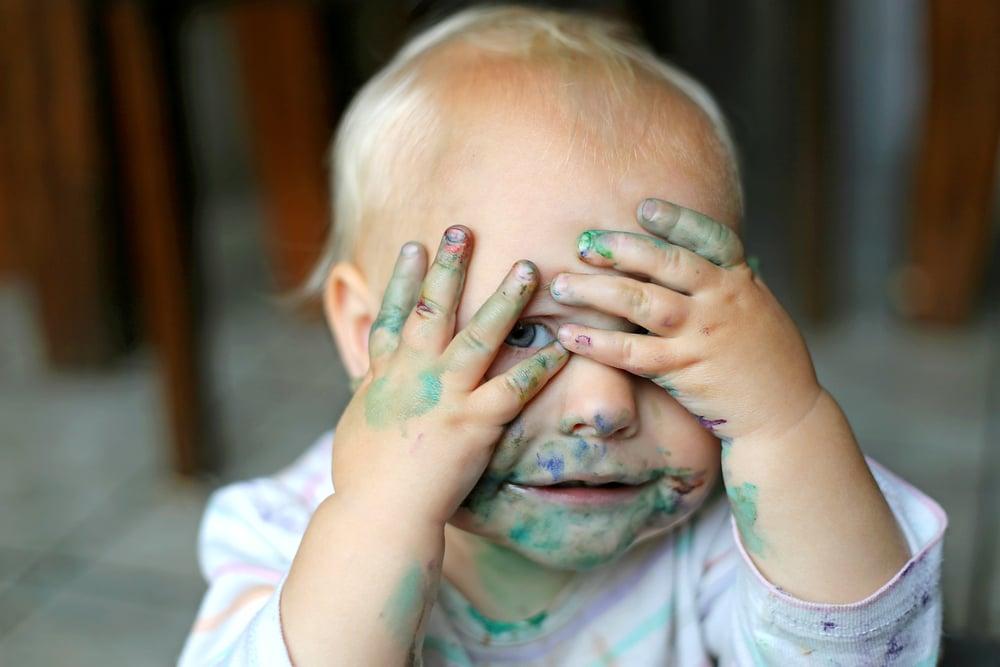
1. The Chalk/Paint Method: Cover your hands in washable paint or chalk powder and shake hands with your child. Then, have them touch various surfaces in the room. This provides a stark, visual demonstration of how quickly "germs" transfer from person to person and surface to surface.
2. The Glitter Challenge: Sprinkle glitter on your child’s hands and challenge them to wash it off using only soap and water. It usually takes at least 30 seconds of vigorous scrubbing to remove every speck. This turns a boring task into a game and proves exactly why a quick rinse is insufficient.
The 10-Second Micro-Habit
If you want to start today, implement the "Soap-First" rule. Before your child touches the faucet, they must apply soap to dry hands. This simple 10-second habit ensures that the soap is ready to work the moment the water hits, making the 20-second scrub much more effective.
The Decision Matrix: What Should You Do Next?
Not sure where to start? Use this simple guide:
If your child is under 3: Focus on the "4-tooth" rule and start the grain-of-rice toothpaste habit tonight.
If your child is resistant to baths: Introduce one new "fun" element (a toy or a specific scent) and stick to a strict pre-bedtime routine for one week.
If your child is "forgetting" to wash hands: Use the glitter challenge this weekend to show them why the 20-second rule exists.
My Recommended Setup
I have found that the following categories of tools make the biggest difference in my own household:
Visual Timers: A simple sand timer or a digital visual timer helps children understand the concept of "20 seconds" without needing to watch a clock.
Soft-Bristle Pediatric Brushes: Look for brushes specifically labeled for the 0-3 age range to ensure the head size is appropriate for small mouths.
Step Stools: Ensuring the child can reach the sink comfortably is half the battle; if they are struggling to reach, they are more likely to rush the process.
What Do You Think?
We have all had those moments where the "hygiene battle" felt like it was being lost. What is the one trick or game that finally got your child to take their dental or hand-washing routine seriously? I will be replying to every comment in the next 24 hours to hear your experiences.
The 20-second duration is the gold standard because it provides sufficient time for soap surfactants to physically disrupt the lipid membranes of viruses and bacteria, allowing them to be rinsed away effectively.
You should begin a dental hygiene routine as soon as your child has four teeth in a row.
Children under 3 years old should use a grain-of-rice-sized amount of toothpaste.
It refers to the difficulty children have in reaching their back molars due to a lack of dexterity or patience, requiring parental supervision and assistance until they are older.
Active Engagement
Was this information helpful?
Join Discussions
0 Thoughts
Editorial Team • Question of the Day
"What is the most effective way you have found to explain the "why" behind hygiene to a toddler who just wants to keep playing?"