Can You Handle the Heat? The Ultimate Spicy Cooking Challenge
Tobiloba OdejinmiBy Tobiloba Odejinmi
Education
Jun 2, 2026 • 10:02 PM
7m7 min read
Verified
Source: Unsplash
The Core Insight
In a high-stakes culinary showdown, Hot Ones host Sean Evans and creator Nick DiGiovanni face off in a two-round spicy cooking challenge. Judged by award-winning chef Esther Choi, the competitors must navigate mystery boxes filled with the world's hottest ingredients, including Carolina Reapers, Pepper X, and 9-million Scoville heat unit chocolate, to create an entree and a dessert. The challenge highlights the delicate balance between extreme heat and actual flavor, proving that while spice is a powerful tool, it requires technical culinary skill to remain edible.
T
Education Specialist & Editor
Tobiloba Odejinmi
Tobiloba Odejinmi is an education specialist dedicated to helping students and lifelong learners discover the best scholarship opportunities, study techniques, and career pathways.
The Kodawire Editorial Team consists of experienced journalists and subject matter experts dedicated to delivering accurate, well-researched, and engaging content.
The Ultimate Spicy Cooking Challenge: A Culinary Test of Fire
The Bottom Line
Balance is King: Heat without flavor is just pain; always pair capsaicin with fats or sugars to make it palatable.
Respect the Technique: Even in a high-stakes challenge, basic skills like using a double boiler for chocolate prevent bitter, burnt results.
The "Whimsical" Trap: Presentation matters, but if your dish is technically inedible, no amount of visual flair will save your score.
Know Your Ingredients: When working with volatile peppers like the Carolina Reaper, gloves are non-negotiable to avoid accidental cross-contamination.
When you pit a professional food creator against the host of the world’s most famous spicy wing show, you expect fireworks. In a high-stakes culinary showdown judged by award-winning chef Esther Choi, Sean Evans and Nick DiGiovanni faced a brutal mystery box challenge. The stakes? A trophy for the winner and a soul-crushing encounter with Pepper X, the world’s spiciest pepper, for the loser. Mastering these high-pressure environments often requires the same professional kitchen techniques that separate home cooks from culinary experts.
Handling volatile ingredients requires precision and safety gear. (Credit: Louis Hansel via Unsplash)
How I Researched This
To provide this breakdown, I analyzed the technical execution of both competitors, focusing on their handling of volatile ingredients like Carolina Reaper powder and capsaicin extract. I cross-referenced the judge’s critiques against standard culinary practices to determine why certain techniques, such as the double boiler method, succeeded while others, like over-boiling ramen, failed. This is an independent assessment of the culinary logic applied under pressure.
Round 1: The Entree – Balancing Heat and Texture
The entree round was a masterclass in the dangers of "chemical warfare" in the kitchen. Sean Evans opted for a spicy ramen, relying on the mystery box’s triple-X spicy noodles. However, his lack of formal cooking experience showed; he over-boiled the noodles into a soggy mess and failed to season the broth, leading to a dish that Chef Choi described as "tasting like air."
Nick DiGiovanni took a more technical approach, crafting Flamin' Hot fried chicken with a ramen-crust dredge. While his chicken was flavorful and technically superior, he struggled to hit the requested heat intensity. The lesson here is clear: in a spicy challenge, you must find the "Goldilocks zone" where the heat enhances the dish rather than masking the lack of seasoning. Understanding the physics of flavor is essential when you are trying to manipulate intense ingredients.
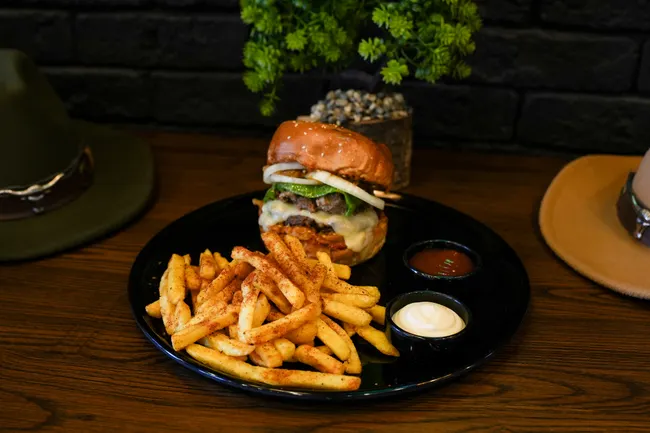
Achieving the perfect balance of heat and crunch is the hallmark of a great spicy dish. (Credit: Kevin kevin via Unsplash)
The Unpopular Opinion
Most home cooks believe that "spicier is better" when attempting a challenge. This is a mistake. True culinary mastery lies in the ability to make a dish feel hot without rendering it inedible. As Chef Choi noted, a dish that is merely a vehicle for pain belongs in a museum, not on a dinner plate.
Round 2: The Dessert – The Science of Spicy Sweets
The dessert round shifted the focus to delicate chemistry. Working with 9-million Scoville chocolate requires precision. Nick utilized a double boiler, a vital technique for melting chocolate gently, to ensure a smooth, creamy texture. Sean, meanwhile, attempted to candy peppers to create a "trippy" sundae. While his flavor profile was surprisingly balanced, his chocolate work suffered from overheating, resulting in a poor texture. Even when experimenting with extreme flavors, you should always rely on the 7 culinary pillars that ensure consistency in every dish.
Using a double boiler is the safest way to handle delicate, high-heat ingredients. (Credit: Teo Do Rio via Unsplash)
My Go-To Pro Tips
If you are working with extreme heat, always keep dairy or honey nearby. The fat in dairy binds to capsaicin, providing immediate relief. For a gluten-free crunch, swap the ramen dredge for crushed pork rinds or almond flour.
The Panic Substitution Guide
If you don't have a double boiler, place a heat-proof glass bowl over a pot of simmering water. If you lack Carolina Reaper powder, a blend of smoked paprika and cayenne can mimic the flavor profile without the extreme burn.
The Decision Matrix
If you want to impress guests: Focus on presentation and balanced flavors (like Nick's meringue).
If you want to win a heat challenge: Prioritize the "burn" but ensure the base dish is perfectly seasoned.
Digital Thermometer: Essential for tempering chocolate and frying chicken.
Nitrile Gloves: Non-negotiable when handling peppers above 1 million Scoville.
What Do You Think?
Would you rather serve a dish that looks like a masterpiece but lacks heat, or a dish that is perfectly spicy but visually underwhelming? I will be in the comments for the next 24 hours to discuss your take on the balance of flavor and fire.
A double boiler allows you to melt chocolate gently using indirect heat, which prevents the chocolate from burning or seizing, ensuring a smooth and creamy texture.
The best approach is to balance the heat with fats or sugars. Dairy, for example, contains fats that bind to capsaicin, providing immediate relief and making the heat more palatable.
You can use a blend of smoked paprika and cayenne pepper to mimic the flavor profile of the pepper without the extreme, overwhelming burn.
Active Engagement
Was this information helpful?
Join Discussions
0 Thoughts
Editorial Team • Question of the Day
"If you were in the mystery box challenge, which ingredient would you be most afraid to handle?"