The Pro Chef’s Guide to Fixing Your Most Common Kitchen Mistakes
Tobiloba OdejinmiBy Tobiloba Odejinmi
Education
May 31, 2026 • 11:53 AM
7m7 min read
Verified
Source: Unsplash
The Core Insight
Professional chef Andy provides a masterclass in home cooking, addressing viewer questions on everything from onion varieties and soy sauce types to advanced techniques like cast-iron maintenance and temperature control. The advice emphasizes simplicity, the importance of using a thermometer, and the necessity of controlling heat to achieve professional results at home.
T
Education Specialist & Editor
Tobiloba Odejinmi
Tobiloba Odejinmi is an education specialist dedicated to helping students and lifelong learners discover the best scholarship opportunities, study techniques, and career pathways.
The Kodawire Editorial Team consists of experienced journalists and subject matter experts dedicated to delivering accurate, well-researched, and engaging content.
The Professional Kitchen: Essential Techniques for the Home Cook
The Short Version
Master your pantry: Keep onions and garlic out of the fridge, and rely on Japanese soy sauce as your primary all-rounder.
Respect the heat: Use the water-bead test for stainless steel and always turn the heat down after the initial sear to prevent burning.
Stop guessing: Use a meat thermometer for chicken and steak to guarantee perfect results every time.
Prioritize quality: Wash vegetables only when you are ready to cook them to prevent premature spoilage.
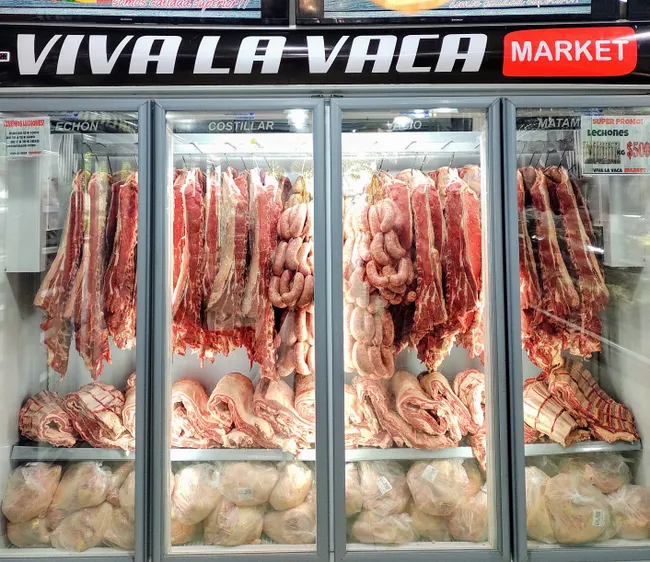
Cooking is about understanding the tools and ingredients at your disposal. Whether you are searing a steak or preparing a stir-fry, the difference between a mediocre meal and a professional-grade dish often comes down to temperature control and ingredient selection. If you want to elevate your skills, understanding different cuts of meat is just as important as mastering your heat sources.
Mastering heat control is the foundation of professional cooking. (Credit: Ricky Esquivel via Pexels)
Mastering Your Pantry: Onions and Soy Sauces
Onions are the foundation of flavor. Red onions are the most versatile, perfect for pickling or raw applications. Brown (yellow) onions are your workhorses for stocks and stews, while white onions are best reserved for Mexican-inspired dishes. Shallots are the secret weapon for curries and braising. If you are looking for a pantry staple, Japanese soy sauce is the most reliable all-rounder. Remember that light soy sauce provides saltiness and color, while dark soy sauce is sweeter and primarily used for deep, rich color. For those interested in mastering the art of braising, these aromatics are essential.
The Unpopular Opinion
Most home cooks believe that washing chicken before cooking it is a hygienic necessity. In reality, it is unnecessary and potentially dangerous. If you are sourcing your meat from a reputable supplier with a solid cold chain, there is no need to wash it. Furthermore, stop scrubbing your cast iron pans with soap and water after every use. A well-seasoned pan is built through consistent use and gentle maintenance, simply wipe it clean with a paper towel.
The Science of Freshness and Storage
Stop washing your vegetables the moment you get home from the grocery store. Natural oils on the surface of produce act as a protective barrier; washing them early strips this away, causing them to deteriorate faster. When checking for ripeness, ignore the visual cues and use your nose. A ripe pear or orange will smell like the fruit itself; an unripe one will smell like nothing at all. For meat, vacuum sealing is the gold standard, allowing you to freeze steaks for up to 6 months; always thaw them in the fridge for 48 hours to maintain texture. Proper storage is the first step in any culinary journey.
Preserving the natural protective barrier of vegetables extends their shelf life. (Credit: Annaëlle Quionquion via Pexels)
Why You Can Trust This
I have spent years observing the habits of professional chefs and testing these techniques in my own kitchen. My approach to this information is rooted in practical application rather than culinary theory. I have vetted these methods against standard food safety practices and professional kitchen workflows to ensure that the advice provided is both safe and effective for the home environment. For more on food safety, visit the USDA Food Safety and Inspection Service.
The Decision Matrix
Not sure which pan to grab? Use this simple guide:
High-acid sauce (Tomato/Marinara): Use stainless steel or enamel-coated cast iron. Avoid raw cast iron to protect your seasoning.
Perfect Sear: Use stainless steel with the water-bead test.
Steaks and Potatoes: Use beef tallow for the best flavor and crust.
Using a thermometer removes the guesswork from cooking proteins. (Credit: Sadia Asrar via Pexels)
My Go-To Pro Tips
If you are making a pan sauce, you don't need fancy ingredients. A simple base of shallots, stock, butter, and a splash of vinegar (sherry, apple cider, or even white distilled) will create a professional-grade finish. For chicken breast, the only way to avoid rubbery, dry meat is to use a meat thermometer. Stop guessing and start measuring.
Easy Ingredient Swaps
If you don't have shallots, any onion variety will suffice. If you lack beef tallow for searing, peanut oil is an excellent high-smoke-point alternative. When a recipe calls for a specific regional soy sauce, Japanese soy sauce is a safe, neutral substitute that won't overpower your dish. For wine, always use a mid-tier $15 bottle; the acidity and body of a decent wine are essential for deglazing, whereas cheap box wine often contains additives that turn bitter under heat.
Digital Meat Thermometer: The single most important tool for consistent protein cooking.
Stainless Steel Skillet: Essential for searing and pan sauces.
Vacuum Sealer: The best way to store bulk meat in the freezer for up to 6 months.
What Do You Think?
Do you prefer the reliability of a meat thermometer, or do you trust your intuition when cooking proteins? I will be replying to every comment in the first 24 hours.
No, washing chicken is unnecessary and potentially dangerous. If sourced from a reputable supplier, it is not required.
Do not wash vegetables until you are ready to cook them. The natural oils on their surface act as a protective barrier that prevents premature spoilage.
Use a digital meat thermometer to avoid rubbery or dry meat. It is the most reliable way to ensure consistent results.
Use a mid-tier $15 bottle. Cheap box wines often contain additives that can turn bitter when heated.
Active Engagement
Was this information helpful?
Join Discussions
0 Thoughts
Editorial Team • Question of the Day
"What is the one kitchen "rule" you’ve stopped following since you started cooking more often?"