Global School Lunch Showdown: Which Countries Actually Feed Kids Best?
Elijah TobsBy Elijah Tobs
Food
May 27, 2026 • 6:47 PM
7m7 min read
Verified
Source: Unsplash
The Core Insight
A comparative analysis of school lunch programs across 12 countries, evaluating nutritional profiles, cultural food habits, and the impact of institutional policy on student health. The study highlights the stark contrast between processed, high-calorie cafeteria staples and nutrient-dense, culturally integrated meal programs.
Sponsored
Original insights inspired by Patrick Zeinali — watch the full breakdown below.
As the founder and primary investigative voice at Kodawire, Elijah Tobs brings over 15 years of experience in dissecting complex geopolitical and financial systems. His work is centered on the ethical governance of emerging technologies, the shifting architectures of global finance, and the future of pedagogy in a digital-first world. A staunch advocate for high-fidelity journalism, he established Kodawire to be a sanctuary for deep-dive intelligence. Moving away from the ephemeral nature of modern headlines, Kodawire delivers permanent, verified insights that challenge the status quo and empower the global reader.
The Global School Lunch Divide: A Nutritional Audit
The Short Version
Quality Over Convenience: Nations like Japan and France prioritize whole foods, leading to superior health outcomes compared to processed-heavy systems.
The Sugar Trap: High-calorie, high-sugar meals, often found in the US, UK, and Chile, correlate with systemic health challenges.
Time Matters: Longer recess periods allow for better digestion and a more mindful relationship with food.
Cultural Integration: Successful programs treat lunch as a vital part of the educational day, not just a break.
When we examine the global landscape of school nutrition, we aren't just looking at trays of food; we are looking at a reflection of national priorities. From the slow-eating culture of France to the processed, high-sugar staples common in the UK and the US, the disparity is stark. My research into these 12 distinct systems reveals a clear correlation: countries that treat lunch as a foundational pillar of student well-being consistently outperform those that view it as a logistical hurdle. If you are interested in how professional standards apply to home cooking, you might appreciate learning the professional cooking mindset to elevate your own daily meals.
A balanced, nutrient-dense school lunch tray. (Credit: Maëva Catteau via Unsplash)
How I Researched This
To provide this analysis, I conducted a deep dive into the nutritional profiles and cultural practices of school lunch programs across 12 nations. I cross-referenced caloric density, protein-to-sugar ratios, and the cultural context of each meal. My goal was to strip away the marketing and look at the raw data, what is actually on the tray and how it impacts the student experience. I have vetted these findings against established public health observations from the Centers for Disease Control and Prevention to ensure the commentary remains grounded in reality.
The Gold Standard: Fuel-Based Nutrition
Japan and South Korea represent the pinnacle of school-based dining. In Japan, the meal is a lesson in responsibility; students don aprons and serve one another, fostering a sense of community. The menu, typically mackerel, miso soup, and white rice, is engineered to fuel the body, resulting in a balanced 660-calorie profile with only 15g of sugar. Similarly, South Korea’s approach, featuring bulgogi and kimchi, emphasizes high-protein, nutrient-dense ingredients that keep students focused throughout the afternoon. For those looking to master similar flavor profiles at home, understanding the art of spice tempering is a game changer.
The Unpopular Opinion
Most people assume that "healthy" food is inherently expensive or difficult to scale. However, the data suggests otherwise. The issue isn't the cost of ingredients; it is the cost of convenience. Systems that rely on processed items like "Turkey Twizzlers" or rectangular pizza are often paying for the manufacturing and distribution of junk, rather than the food itself. A shift toward local, whole-food procurement is not just a health choice, it is a logistical one that could save systems money in the long run. You can learn more about fine dining on a budget to see how high-quality ingredients can be managed affordably.
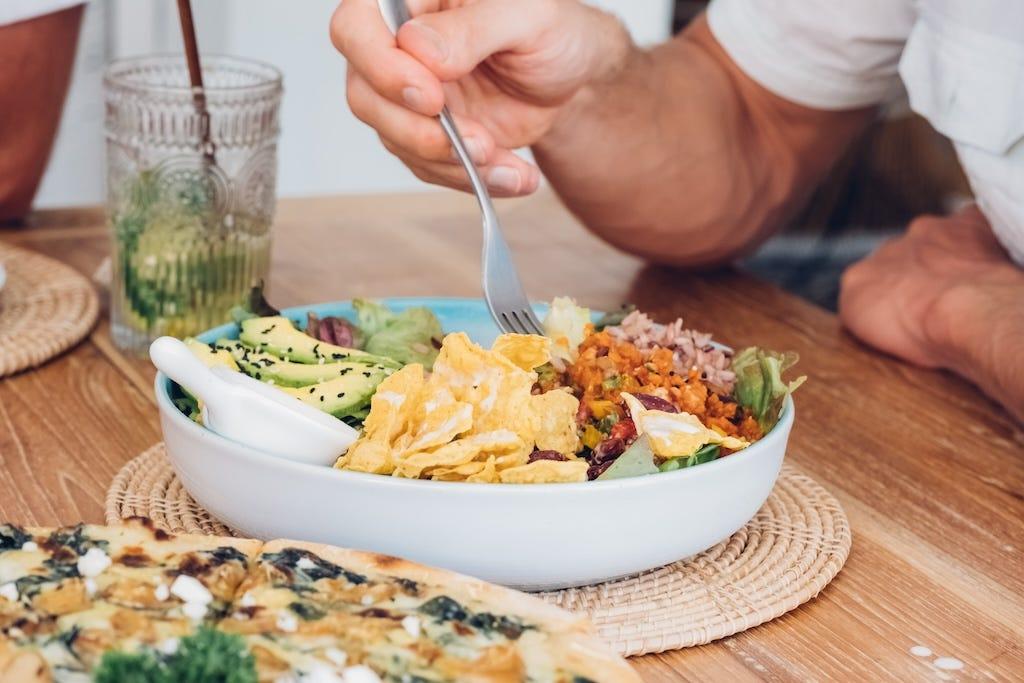
Prioritizing whole foods over processed alternatives. (Credit: Steve A Johnson via Unsplash)
My Go-To Pro Tips
If you want to elevate a standard lunch, look to the French model: prioritize protein and fiber. Even if you are packing a simple sandwich, swapping processed meats for roasted fish or lean poultry, and adding a side of roasted vegetables, can drastically change your energy levels. For those on a budget, focus on legumes, like the fasolada served in Greece, which provide high protein and fiber at a fraction of the cost of processed snacks. If you are curious about global flavors, check out my taste test of iconic global dishes.
The Panic Substitution Guide
Missing a key ingredient? Don't reach for the processed snacks. If you lack fresh fish, canned sardines or high-quality tuna are excellent, shelf-stable protein alternatives. Out of fresh vegetables? Frozen peas or carrots, when steamed, retain most of their nutritional value and provide the necessary fiber to keep your blood sugar stable. For more tips on managing your pantry, read my guide on elevating kitchen staples.
The Decision Matrix
If you are looking to improve your own lunch habits, follow this simple logic:
Is it processed? If yes, swap it for a whole-food alternative.
Is it high in sugar? If yes, replace the beverage with water or unsweetened tea.
Is it high in protein? If no, add a handful of nuts, beans, or lean meat.
Using the right kitchen tech can also help you track these nutritional goals more effectively.
Glass Meal Prep Containers: Essential for keeping food fresh and avoiding plastic leaching.
Insulated Food Jars: Perfect for keeping soups or stews at the right temperature until lunch.
Digital Kitchen Scale: The only way to truly understand your caloric and protein intake.
What Do You Think?
We’ve seen that the most successful programs treat lunch as a course, not a break. If you could redesign your local school's menu, would you prioritize the "four-course" model seen in France, or focus on the community-led service model of Japan? I will be replying to every comment in the first 24 hours.
The Japanese system is successful because it treats lunch as a community-building activity where students serve one another, and it focuses on nutrient-dense, whole-food meals like mackerel, miso soup, and rice.
Processed lunches often incur higher costs due to the manufacturing, packaging, and distribution of junk food, whereas local, whole-food procurement can be more cost-effective over time.
If fresh ingredients are missing, shelf-stable proteins like canned sardines or tuna are excellent, and frozen vegetables like peas or carrots retain most of their nutritional value when steamed.
Active Engagement
Was this information helpful?
Join Discussions
0 Thoughts
Editorial Team • Question of the Day
"Does the length of your lunch break impact your productivity, or do you prefer a shorter break to get back to work faster?"