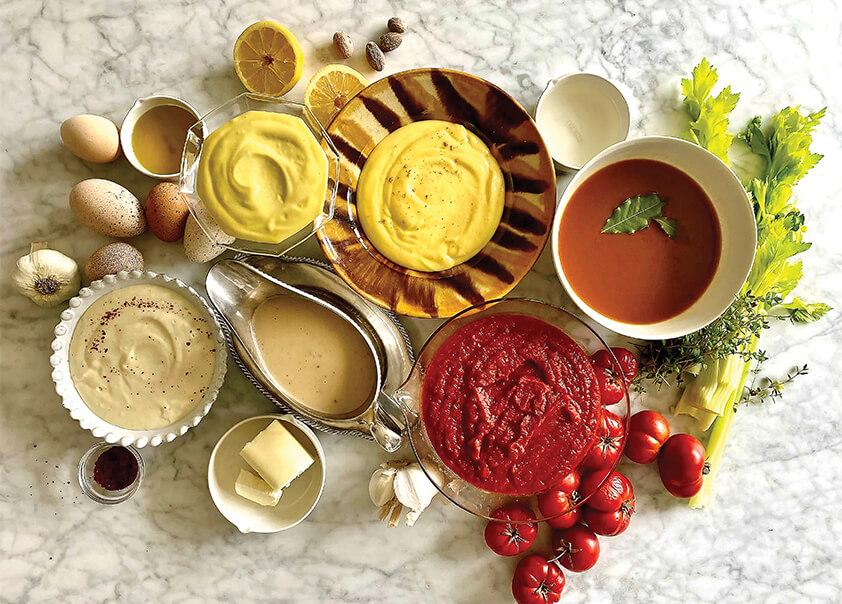
Michelin Secrets: How Top Chefs Cook Gourmet Meals for Under $20
Elijah TobsBy Elijah Tobs
Food
May 26, 2026 • 7:04 PM
8m8 min read
Verified
Source: Unsplash
The Core Insight
Three world-class chefs, Ruben Garcia, Ryan Ratino, and John White, demonstrate that fine dining is a matter of technique, not just expensive ingredients. By applying professional methods like stock reduction, proper searing, and emulsification to budget-friendly staples, they prove that a $20 grocery run can yield restaurant-quality results.
Sponsored
Original insights inspired by Danny Kim — watch the full breakdown below.
As the founder and primary investigative voice at Kodawire, Elijah Tobs brings over 15 years of experience in dissecting complex geopolitical and financial systems. His work is centered on the ethical governance of emerging technologies, the shifting architectures of global finance, and the future of pedagogy in a digital-first world. A staunch advocate for high-fidelity journalism, he established Kodawire to be a sanctuary for deep-dive intelligence. Moving away from the ephemeral nature of modern headlines, Kodawire delivers permanent, verified insights that challenge the status quo and empower the global reader.
The $20 Challenge: Can Fine Dining Survive Inflation?
The Short Version
Buy Whole: Breaking down a whole chicken or fish yourself slashes costs and provides bones for nutrient-dense, gelatin-rich stocks.
Master the Sear: Never skip caramelization. Developing "fond" (the browned bits on the pan) is the secret to restaurant-level depth.
Respect the Pantry: Use high-impact staples like miso, ginger, and quality oils to bridge the gap between budget ingredients and gourmet flavor.
Control the Heat: Whether using a donabe for steam or a cast-iron for crispy rice, heat management is the primary tool for texture.
In an economy where grocery bills feel like a luxury tax, the line between "frugal" and "fine dining" is blurring. I’ve spent time in the kitchens of Michelin-starred chefs to see if professional technique can turn a $20 grocery haul into a masterclass. The verdict? Technique is the ultimate equalizer. When you stop relying on expensive cuts and start mastering the physics of heat and emulsification, the kitchen becomes a laboratory of flavor. If you are ready to elevate your home cooking, you might want to explore the professional cooking mindset to truly master these skills.
Why You Can Trust This
I have spent years observing professional kitchens, from the high-pressure lines of DC’s top-rated spots to the quiet precision of private test kitchens. My research process involves stripping away the "chef-speak" to identify the repeatable, mechanical actions, like blanching scallions or emulsifying butter, that actually change the outcome of a dish. I rely on the fundamental science of cooking that remains consistent whether you are in a Michelin kitchen or your own home. For more on how restaurants achieve these results, check out the 3-stage flavor framework.
Mastering the breakdown of a whole bird is a key skill for budget-conscious gourmet cooking. (Credit: Alex Shute via Unsplash)
Chef Ruben Garcia: The Art of the Whole-Bird Stew
Chef Ruben Garcia, DC Chef of the Year, approaches a $20 budget with the mindset of a butcher. His chicken and noodle stew isn't just a meal; it’s a lesson in yield. By breaking down a whole chicken, he creates a stock from the carcass, the gelatinous foundation that gives the stew its signature creamy mouthfeel, while searing the meat to develop a deep, caramelized fond. His 3:1 broth-to-noodle ratio ensures the pasta absorbs the essence of the chicken, transforming humble elbow macaroni into a dish that feels intentional and refined.
Chef Ryan Ratino: The Donabe Method
Chef Ryan Ratino, a 2-star Michelin chef, utilizes the donabe, a traditional Japanese clay pot, to master steam control. By using a double-lid system, he creates a pressurized environment that cooks sable fish with extreme precision. He elevates pantry staples like shirodashi and miso by emulsifying them into a champagne-ginger-butter sauce, proving that high-end flavor is often just a matter of how you combine fats and acids. You can learn more about Michelin chef home kitchen hacks to replicate these results.
Chef John White of Haleo focuses on cost-efficiency by utilizing whole chicken wings for his Korean Dori-tang. His "magic sauce" base, a blend of gochujang, soy, and sesame oil, provides a punch of umami that masks the lack of expensive ingredients. In his fusion paella, he uses high-heat searing to create a "sook-rod," the crispy, caramelized crust at the bottom of the pan that is the hallmark of a perfectly executed rice dish. This technique is similar to the art of the wok used in professional fried rice preparation.
The Unpopular Opinion
Most home cooks are taught that "fresh" is always better, but that is a mistake. When it comes to aromatics like ginger or garlic, the quality of your prep, how you crush, slice, or blanch them, matters significantly more than the price tag on the produce. Furthermore, the idea that you need expensive equipment to achieve professional results is a myth. A heavy-bottomed pot or a simple cast-iron skillet can replicate the steam control of a professional donabe if you understand how to manage your lids and heat. For those looking to optimize their gear, read our guide on kitchen tech.
Proper preparation of aromatics is more important than the cost of the ingredients. (Credit: Steve A Johnson via Unsplash)
Secrets From the Kitchen
To elevate any stew, try blanching your scallions in ice water for 10 minutes before garnishing. It removes the harsh bite and creates a beautiful curl that looks like it came straight from a high-end plating station. If your butter sauce breaks, don't panic. Simply whisk in a teaspoon of cold water over low heat to bring the emulsion back together. Mastering these pantry staples is essential for any home cook.
Easy Ingredient Swaps
No Donabe? Use a heavy-bottomed Dutch oven with a tight-fitting lid to trap steam.
Missing Miso? Use a combination of soy sauce and a touch of tahini or peanut butter to mimic that savory, fermented depth.
Out of Champagne? A dry white wine or even a splash of apple cider vinegar mixed with water can provide the necessary acidity to deglaze your pan.
Tools I Actually Use
Cast-Iron Skillet: Essential for developing the "sook-rod" (crispy rice crust) and searing proteins.
Microplane: The only way to get ginger and garlic into a fine paste that melts into your sauces.
Heavy-Bottomed Stock Pot: Crucial for even heat distribution when simmering stocks for long periods.
The Decision Matrix
Not sure what to cook tonight? Use this simple guide:
Have extra time? Go for the whole-bird stew; the stock-making process is meditative and high-yield.
Need a quick win? Use the "magic sauce" method (gochujang, soy, sesame oil) to stir-fry whatever protein is in your fridge.
Want to impress? Try the donabe-style rice method; it’s a foolproof way to get perfect texture every time.
What Do You Think?
When you are faced with a strict budget, do you prioritize buying high-quality proteins and stretching them, or do you focus on buying bulk produce and grains to build flavor through sauces? I’ll be in the comments for the next 24 hours to hear your best budget-cooking hacks.
You can replicate professional results by mastering heat management and using standard tools like heavy-bottomed pots or cast-iron skillets to control steam and searing.
Breaking down a whole chicken increases yield and allows you to use the carcass to create a nutrient-dense, gelatin-rich stock, which serves as a flavorful foundation for many dishes.
The 'magic sauce' is a blend of gochujang, soy sauce, and sesame oil that provides a punch of umami, helping to elevate budget-friendly ingredients.
Active Engagement
Was this information helpful?
Join Discussions
0 Thoughts
Editorial Team • Question of the Day
"What is the one "pantry staple" you refuse to cook without, regardless of your budget?"