Copernicus' New Satellites Revolutionize Emissions, Ice & Crop Tracking
The Core Insight
Copernicus Expansion: Six New Satellites to Supercharge Climate Monitoring

(Credit: Berke Can via Pexels)
Europe's space ambitions just leveled up. The Copernicus program, the EU's flagship for Earth observation, locked in funding for six groundbreaking satellite missions. These aren't just eyes in the sky,they're game-changers for tracking everything from melting ice caps to farm fields gasping for water. Led by the European Space Agency (ESA), this push comes at a pivotal moment, with the UK jumping back in after Brexit hiccups. But let's cut through the press releases. I watched the original video so you don't have to. The creator nailed the basics but glossed over how these birds stack up against NASA's efforts and what real-world policy headaches they might solve,or ignore.
My Take: The Climate Reality Check from a Decade in the Trenches

(Credit: skigh_tv via Pexels)
Look, I've been chasing space stories for over 10 years now, from ESA launches in French Guiana to poring over satellite data during Europe's brutal 2022 droughts. Right now, grabbing a coffee in Berlin amid these gray November skies, I can't help but feel a mix of hope and skepticism. These Copernicus upgrades? They're essential. **Polar ice is vanishing faster than my morning espresso**, and farmers from Spain to Sweden need data yesterday to dodge crop failures. In my experience, ground sensors alone miss the big picture,satellites deliver the unbiased global view policymakers crave. But here's my beef: without teeth in enforcement, this tech risks becoming another shiny report on the shelf. Why does this hit home for you? Because your grocery bill and flood insurance are on the line.
"The decision by the UK Government to participate in the EU Copernicus Programme has been essential."
Cheli's spot on. The UK's 2024 re-engagement poured fresh cash into the pot, restoring London’s seat at the table for data sharing. Now, you might be wondering: what's the tech breakdown?
Funding Locked In: A €1 Billion Bet on Earth's Future

(Credit: Alesia Kozik via Pexels)
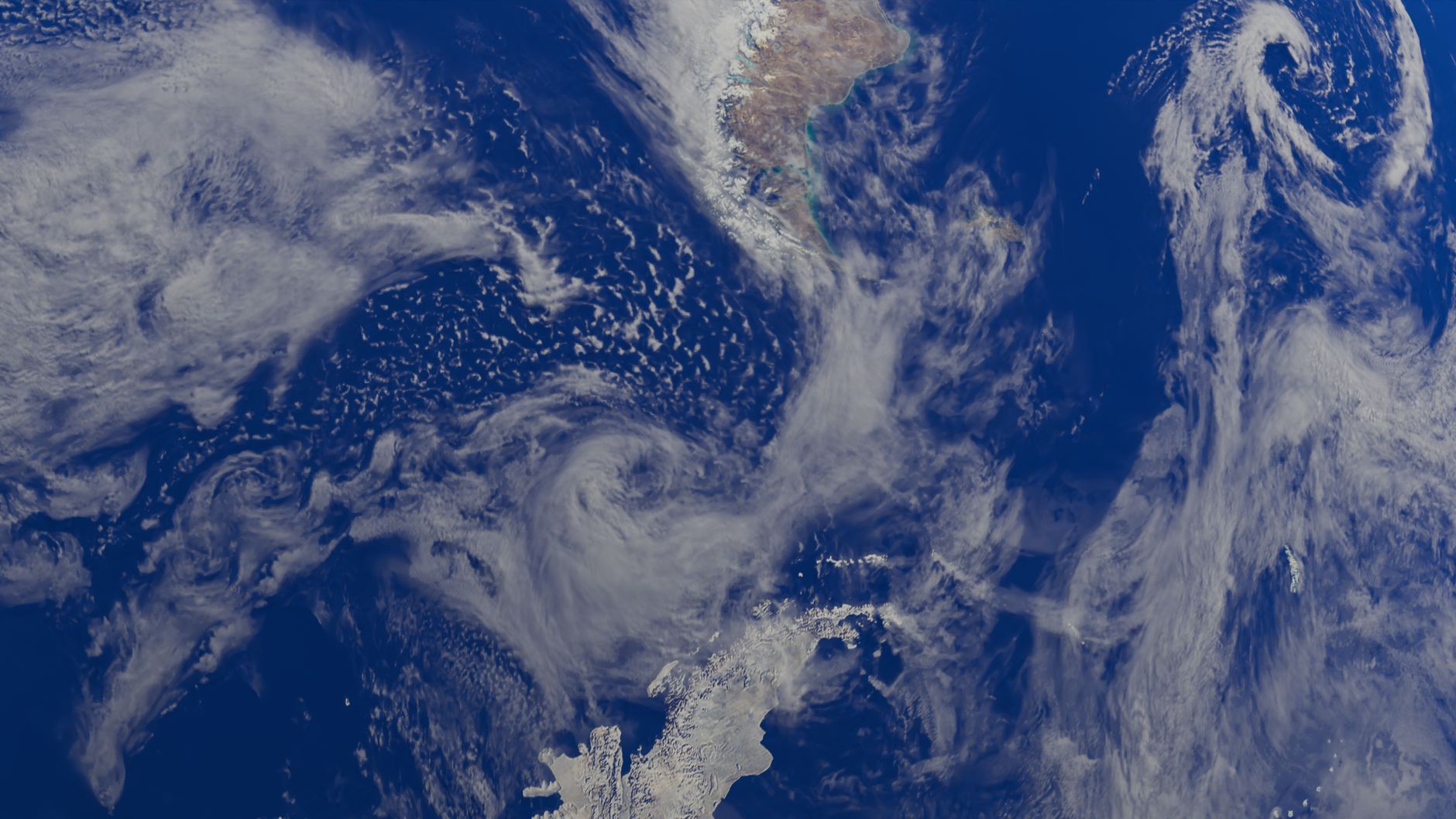
Copernicus isn't starting from scratch. It's already orbiting 10+ Sentinels watching oceans, land, and air. These six newcomers,fueled by roughly €1 billion from EU and UK coffers,zero in on blind spots. Think greenhouse gases belching from factories, ice sheets cracking in the Arctic, and crops yellowing under heat stress.
Wait, it gets better. Data from these sats feeds scientists, farmers, and suits crafting climate laws. **Independent verification** is the killer app here,nations can't fudge numbers when satellites call bluff.
Freezing the Melt: Ice and Polar Powerhouses

(Credit: Alexey Demidov via Pexels)
Two missions lead the charge on ice. The Copernicus Imaging Microwave Radiometer ( CIMR) will map polar seas and ice thickness down to centimeters. Paired with the Copernicus Polar Ice and Snow Topography Altimeter (
Hand picked for you by Author

Avocado Toast vs Retirement: The Real Myth Busted
This article debunks the viral myth that millennials' avocado toast habit prevents retirement savings. Using simple math showing ₹432,000 over 30 years is negligible, it highlights real culprits like student loans, wage stagnation, and housing costs. Millennials are portrayed as savvy savers via side hustles and financial literacy. Practical tips include the 50/30/20 rule, automating savings, investing basics, and balancing indulgences for sustainable financial health.

French MPs' Bold ECB Climate Reforms
A transpartisan French National Assembly report by MPs Henri Alfandari and Danièle Obono urges the ECB to integrate climate risks into monetary policy. Key recommendations include stricter capital rules for fossil fuels, debating a higher inflation target for green transitions, green interest rates for sustainable lending, and a new European Credit Council for oversight. This landmark analysis, drawing on Finance Watch and experts, bolsters democratic accountability while supporting ECB's climate role.
Moonshot Secrets from Artemis II for Teams
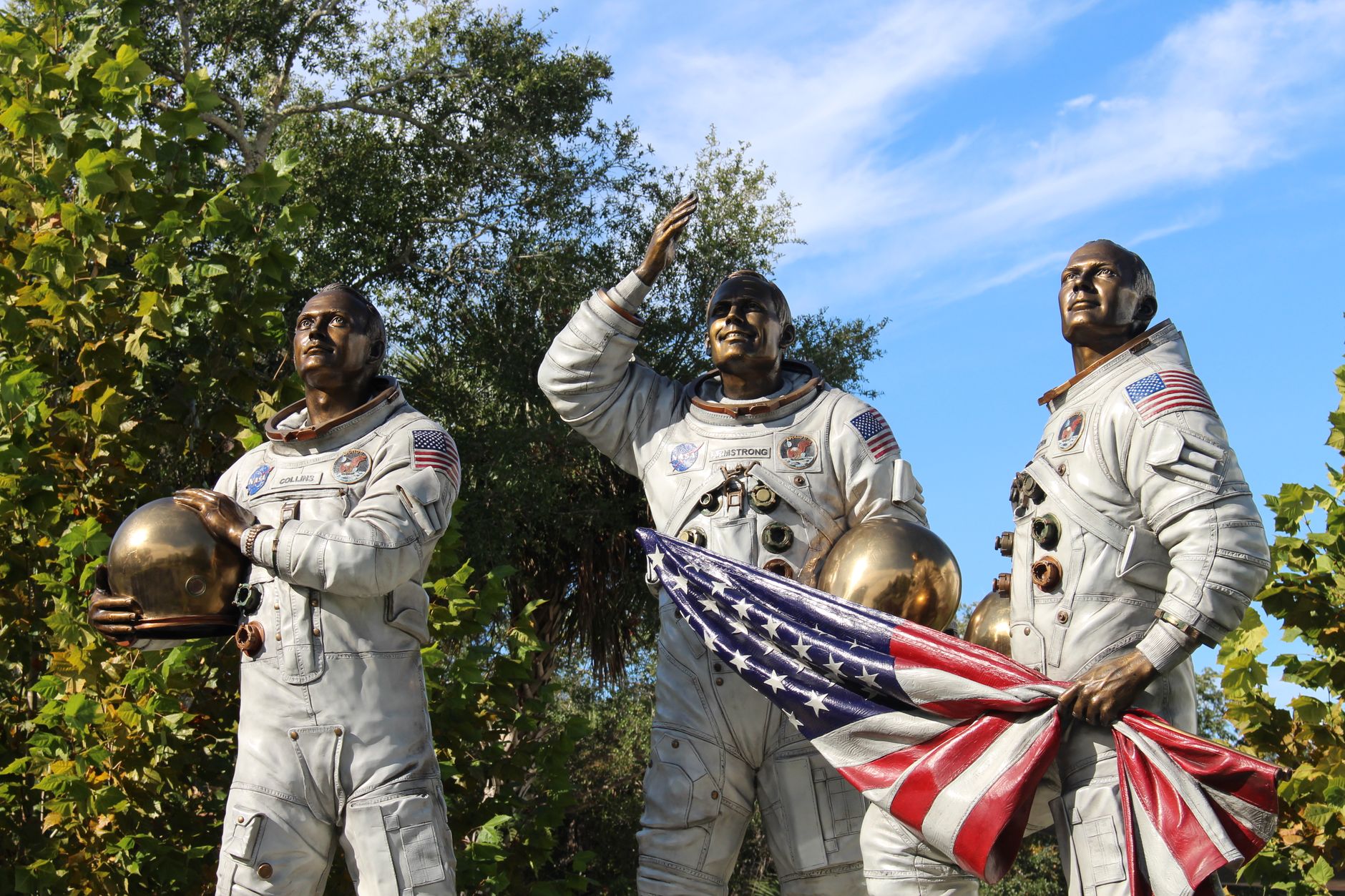
Drawing from NASA's Artemis II mission launching in March 2026, this article reveals how to align teams using a dual 'Where' (Moonshot via S.T.A.R.S. framework) and 'Why' (Purpose via E.T.H.O.S. framework). Covering the 10-day, half-million-mile journey with astronauts Reid Wiseman, Victor Glover, Christina Koch, and Jeremy Hansen, it emphasizes co-created goals backed by McKinsey data showing 3.4x higher success rates. Applicable to educators, students, and professionals for ambitious projects.
You Might Also Like





Elijah Tobs
A seasoned content architect and digital strategist specializing in deep-dive technical journalism and high-fidelity insights. With over a decade of experience across global finance, technology, and pedagogy, Elijah Tobs focuses on distilling complex narratives into verified, actionable intelligence.
Learn More About Elijah Tobs