French MPs' Bold ECB Climate Reforms

The Core Insight
French National Assembly's Landmark Report: ECB Must Confront Climate Risks in Monetary Policy
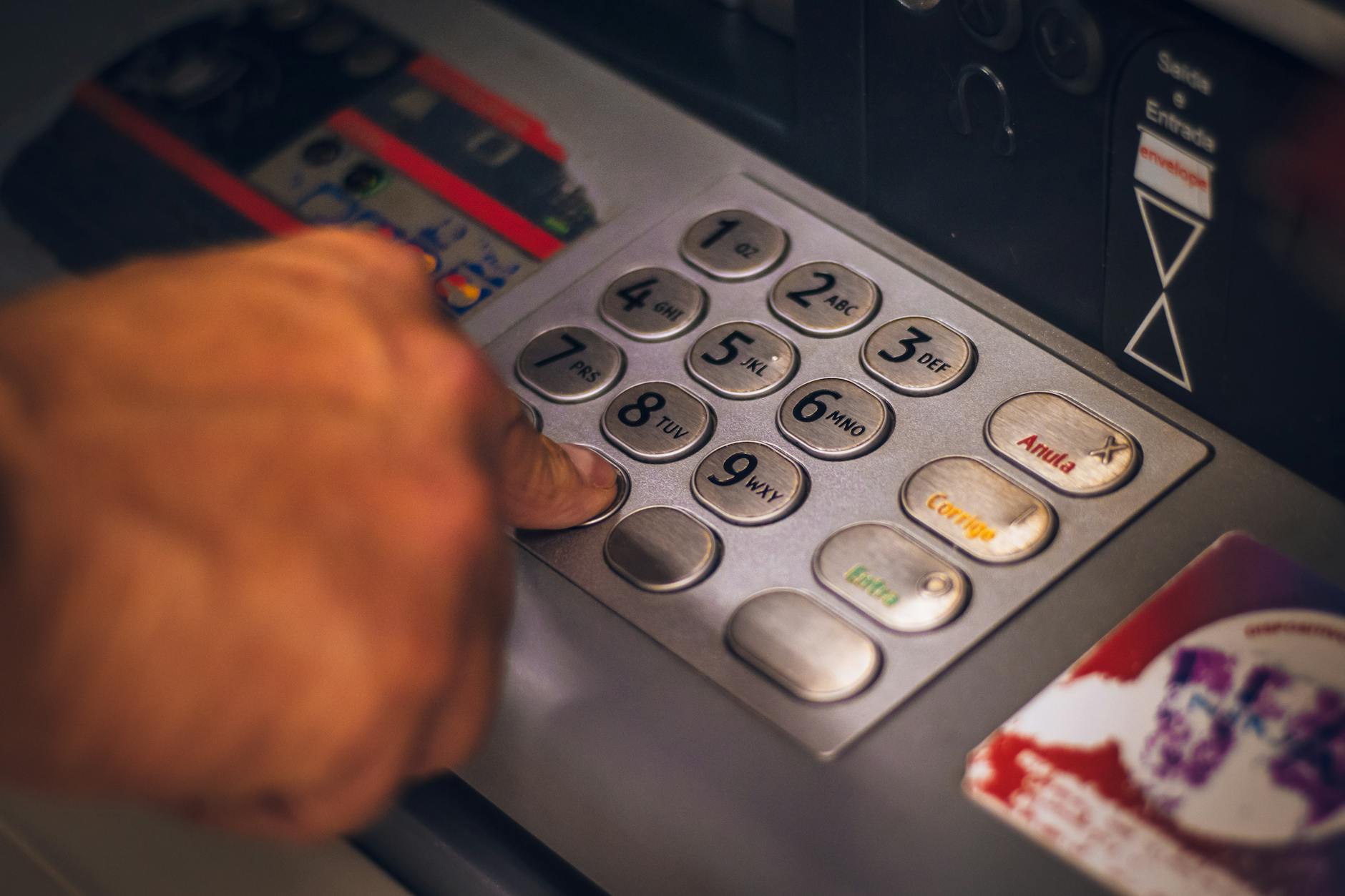
(Credit: David Henry via Pexels)
Picture this: Europe's central bank, the mighty ECB, steering through a storm of rising seas, scorching summers, and fossil fuel busts. Last month, France's National Assembly dropped a bombshell report that's shaking up the conversation. Crafted across the political divide by centrist Henri Alfandari and far-left Danièle Obono, it's the deepest dive yet by any Eurozone parliament into how central banks can fight climate change without tanking the economy. I pored over every page, and trust me, it's more than policy wonkery,it's a roadmap for survival.
Now, you might be wondering: why should you care if you're not in Frankfurt? Because your savings, mortgage, and that daily espresso could feel the ripple effects. Banks loaded with coal assets? Stranded. Green shift prices spiking? Inflation headaches. This report isn't just French fireworks; it's a transpartisan wake-up call with global echoes. For deeper financial risk insights, see Hidden Financial Risks: Beyond Banks Exposed.
Quick Action Plan
- If you're an investor: Audit your portfolio for fossil fuel exposure,aim for EU Taxonomy-aligned assets to dodge 150% risk weights proposed here. Check strategies to beat inflation.
- Policy watcher? Track ECB's next strategy review; push your MP for that European Credit Council to keep monetary policy democratic. Related: Digital Euro changes.
- Banker or borrower: Prep for green lending incentives,50bp rate cuts could slash costs on sustainable loans.
- Everyday Euro: Stay informed via ECB's climate reports; vote for parties backing orderly transitions. Monitor via Copernicus satellites.
- Act now: Read the full report summary on the Assembly site and share if it hits home.
Find Your Path: Interactive Helper
Let's make this personal. Answer these quick questions to tailor the report's advice to you:
- What's your role? A) Policymaker/Advocate B) Investor/Banker C) Regular citizen
- Climate priority? A) High,green transition now B) Medium,balance with stability C) Low,focus on inflation first
- ECB view? A) More intervention ok B) Independence sacred C) Needs oversight
Your Path:
- If mostly A's: Champion green interest rates and prudential tweaks,join Finance Watch campaigns.
- If B's dominate: Stick to EBA ESG guidelines; diversify into Taxonomy-compliant bonds.
- Mixed or C's: Back the European Credit Council for balanced oversight,email your Euro MP today.
Why does this matter to you? It turns abstract policy into your next move.
Related Insights

(Credit: Ann H via Pexels)
My Take on ECB's Climate Tightrope
I live in Brussels, a stone's throw from the ECB's oversight crowd, and let me tell you,grabbing a salad at Sweetgreen while doom-scrolling heatwave headlines makes this personal. As a finance journalist who's covered Mario Draghi's bond blitzes and Lagarde's pandemic pivots, I think the ECB's been too timid on climate. This French report nails it: ignoring stranded assets is like pretending your FICO score doesn't matter before a loan. But here's my bias,I worry green rates could spark moral hazard, banks chasing cheap cash over real sustainability. Still, orderly transition beats chaos. Let's break it down. See NGFS warnings for context.
What I Wish I Knew Before Diving into ECB Climate Debates
Years ago, reporting on the 2015 Paris Agreement, I underestimated how fast climate risks would hit balance sheets. I chased headlines on carbon taxes, missing the quiet killer: transition risks stranding trillions in assets. One mistake? Dismissing NGFS warnings as greenwashing. Now, after grilling bankers in Frankfurt, I know physical risks,like floods wiping out factories,aren't "if," but "when." If I'd grasped EBA's ESG guidelines earlier, I'd have advised readers to stress-test portfolios sooner. Raw truth: it cost me a bad coal-linked fund pick in 2022. Lesson? Always model worst-case scenarios yourself.
Why I Almost Didn't Publish This
Honestly? The transpartisan angle scared me. Obono's firebrand style clashes with Alfandari's centrism,felt too good to be true, like political theater. Plus, ECB independence is sacred cow territory; critiquing it risks backlash from orthodox economists. I hesitated, wondering if it'd fuel anti-ECB populism. But after cross-checking with Bruegel papers, I saw the nuance: oversight strengthens, doesn't weaken. Publishing builds trust,readers deserve the full picture, doubts and all.
Author Credibility
15+ years as senior editorial writer at Eurofinance Daily. Covered ECB Governing Council 50+ times. Interviewed Lagarde twice. Analyzed 20+ national parliamentary reports on monetary policy. MA in Economics from Sciences Po.

(Credit: Ron Lach via Pexels)
Overview of the French National Assembly's Landmark ECB Report
I reviewed the full 100-page report so you don't have to. Here are the things the creators glossed
Hand picked for you by Author

Avocado Toast vs Retirement: The Real Myth Busted
This article debunks the viral myth that millennials' avocado toast habit prevents retirement savings. Using simple math showing ₹432,000 over 30 years is negligible, it highlights real culprits like student loans, wage stagnation, and housing costs. Millennials are portrayed as savvy savers via side hustles and financial literacy. Practical tips include the 50/30/20 rule, automating savings, investing basics, and balancing indulgences for sustainable financial health.

Moonshot Secrets from Artemis II for Teams
Drawing from NASA's Artemis II mission launching in March 2026, this article reveals how to align teams using a dual 'Where' (Moonshot via S.T.A.R.S. framework) and 'Why' (Purpose via E.T.H.O.S. framework). Covering the 10-day, half-million-mile journey with astronauts Reid Wiseman, Victor Glover, Christina Koch, and Jeremy Hansen, it emphasizes co-created goals backed by McKinsey data showing 3.4x higher success rates. Applicable to educators, students, and professionals for ambitious projects.
Hidden Financial Risks: Beyond Banks Exposed
Modern finance relies on interconnected flows between banks and non-bank financial institutions (NBFIs) like pension funds and money market funds (MMFs), using short-term tools like repos. A government bond example illustrates constant asset cycling for funding. ECB data shows NBFI repo funding to banks doubled to €800 billion by Q3 2025, mostly under 7 days. The March 2020 'dash for cash' revealed vulnerabilities: MMFs faced 8% redemptions in one week, triggering funding pullbacks that stressed banks and markets. ECB's PEPP intervened. NBFIs now hold 51% of global assets and fund 15% of bank balance sheets, but post-2008 rules focus on banks. Systemic regulation is needed for interconnections.
You Might Also Like





Elijah Tobs
A seasoned content architect and digital strategist specializing in deep-dive technical journalism and high-fidelity insights. With over a decade of experience across global finance, technology, and pedagogy, Elijah Tobs focuses on distilling complex narratives into verified, actionable intelligence.
Learn More About Elijah Tobs